
In today’s fast-paced global marketplace, the flexible packaging sector stands at the intersection of high consumer expectations and rigorous industrial demands. From the food and beverage industry to pharmaceuticals and consumer goods, modern packaging must comply with stringent standards for hygiene, secure hermetic sealing, and striking visual appeal. To achieve these benchmarks consistently on a mass scale, industrial automation has transitioned from a competitive advantage into an absolute operational necessity.
The Evolution of Production Floors
The success of any packaging manufacturing plant is intrinsically tied to the engineering reliability and technological sophistication of its production equipment. Modernizing legacy infrastructure allows enterprises to keep pace with soaring global demand. For instance, in rapidly growing manufacturing corridors across Latin America and Europe, the adoption of an industrial-grade máquina de embalaje flexible from trusted industry innovators like Kete Group has become pivotal for businesses looking to scale their conversion and printing capacities efficiently.
Furthermore, standardized international guidelines emphasize the role of precision automation in minimizing variance. According to manufacturing quality frameworks outlined by the International Organization for Standardization (ISO), strict adherence to automated quality control protocols ensures lower defect rates and enhanced material safety across multi-tier global supply chains.
Technological Advancements in Printing and Conversion
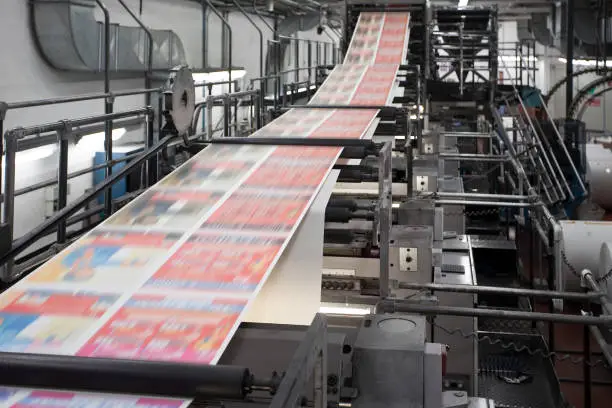
One of the most profound technological shifts in recent years involves the evolution of high-speed printing and conversion hardware. Modern processing lines rely heavily on advanced impresión flexográfica (flexographic printing) systems, which feature real-time computerized calibration, precise web tension control, and rapid-curing drying modules.
These sophisticated features empower converters to print intricate multi-color brand graphics directly onto a diverse spectrum of substrates—ranging from traditional plastic films and coated papers to complex aluminum foils and barrier laminates—without sacrificing production velocity.
Key Advantages of Automated Flexible Packaging Lines
Transitioning from manual or semi-automated systems to fully integrated automated machinery delivers multi-dimensional benefits to modern packaging plants:
- Elevated Production Speeds: Next-generation machinery operates continuously at high velocities, significantly shortening cycle times for bulk orders.
- Drastic Reduction in Waste: Precision engineering and automated tension controllers keep raw material scrap to a minimum, directly preserving profit margins.
- Enhanced Format Flexibility: Modern pouch-making machinery effortlessly handles complex configurations, including zipper closures, stand-up configurations, and degassing valves.
- Optimized Labor Efficiency: Centralized digital control panels reduce the dependency on intensive manual labor, lowering human error and preventing unexpected downtime.
Overcoming Operational Challenges in Smart Manufacturing
Despite the clear benefits, integrating advanced packaging systems presents challenges, such as managing complex substrate thermodynamics and optimizing energy consumption. To overcome these hurdles, forward-thinking manufacturers evaluate equipment based on modularity, quick-change tooling, and robust vendor-backed technical support.
Key Takeaways
| Area | Key Takeaway | Impact/Data |
| Modernization | Upgrade to fully automated machinery | Accelerate continuous production velocity |
| Quality Standard | Implement ISO-compliant automated quality controls | Lower defect rates across supply chain |
| Printing Tech | Integrate high-speed flexographic printing systems | Enable multi-substrate graphics in-line |
| Cost Efficiency | Deploy automated tension & digital controls | Slash scrap waste & labor overhead |
Conclusion
Maintaining long-term competitiveness in the global flexible packaging market requires a proactive commitment to technological evolution. By upgrading legacy production lines with state-of-the-art machinery, packaging enterprises can effectively optimize operational costs while delivering safer, highly durable, and visually compelling solutions to their clientele.