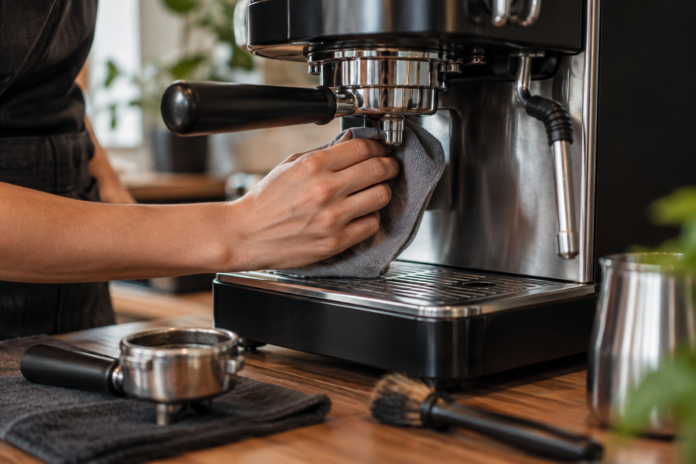

A good cup of coffee depends on more than beans and technique. The condition of the machine affects pressure, water temperature, flow rate, cleanliness, and extraction quality. When equipment is neglected, small problems can gradually change the taste, texture, and reliability of every cup. In daily use, coffee machine repair brisbane can sit within a broader maintenance approach when machine performance begins affecting consistency, flavour, or workflow. Regular care helps keep coffee predictable, whether the machine is used at home, in an office, or in a busy hospitality setting.
Clean Equipment Protects Flavour
Coffee oils, fine grounds, milk residue, and mineral deposits can build up inside and around a coffee machine. Over time, this buildup can create bitter flavours, stale smells, blocked components, and uneven extraction.
Group heads, shower screens, baskets, steam wands, drip trays, and grinders all need attention. Even high-quality beans can taste dull or harsh if they pass through dirty equipment. Clean surfaces allow water and coffee to interact properly, which helps preserve the intended flavour of the beans.
Stable Water Temperature Matters
Water temperature plays a major role in extraction. If the water is too cool, coffee may taste sour, thin, or underdeveloped. If it is too hot, the result can become bitter or burnt. A well-maintained machine is better able to heat water consistently and deliver it at the right temperature.
Temperature problems may come from scale buildup, worn heating elements, faulty sensors, or poor internal flow. These issues may not appear suddenly. Instead, coffee quality may slowly become less reliable from one cup to the next.
Pressure Affects Extraction Quality
Espresso relies on controlled pressure to push water through ground coffee. If pressure is too low, the shot may run too quickly and taste weak. If pressure is uneven or too high, extraction can become harsh, unbalanced, or inconsistent.
Pressure problems can be linked to worn seals, blocked lines, pump issues, incorrect grind settings, or buildup inside the machine. Maintenance helps identify whether the issue is caused by the machine, the grinder, the coffee dose, or a combination of factors. This is important because changing beans or grind settings will not fix a mechanical fault.
Scale Buildup Can Reduce Performance
Water contains minerals, and those minerals can form scale inside coffee machines. This is especially common in areas with harder water. Scale can restrict water flow, affect heating efficiency, block valves, and increase stress on internal parts.
Descaling and water filtration can help reduce these problems, but they need to be matched to the machine type and water conditions. Too little scale control can damage performance. The wrong method can also create issues, especially in machines with specific manufacturer requirements. Regular servicing helps ensure scale is managed properly rather than ignored until the machine slows down or fails.
Milk Systems Need Careful Cleaning
Machines with steam wands or automatic milk systems need extra attention because milk residue can harden quickly. Poor cleaning can affect steam pressure, texture, hygiene, and taste. A blocked steam wand may struggle to create smooth milk foam, while old milk residue can create unpleasant odours.
Daily cleaning is especially important in cafes, offices, and households where milk-based drinks are common. Steam wands should be purged and wiped after use, and automatic milk systems should be cleaned according to the machine’s instructions. Good milk hygiene supports both coffee quality and safe equipment use.
Grinders Influence Machine Performance
Coffee machine maintenance is closely connected to grinder condition. A clean, well-adjusted grinder helps produce consistent particles, which supports even extraction. If the grinder is dirty, blunt, clogged, or poorly adjusted, the coffee may run too fast, too slow, or taste uneven.
Sometimes the machine is blamed for problems that begin with the grinder. Stale grounds, worn burrs, oily residue, or incorrect dosing can all affect the final cup. Looking at the machine and grinder together gives a more complete picture of coffee quality.
Servicing Helps Prevent Sudden Breakdowns
Coffee machines often show warning signs before they fail. These may include leaks, slow heating, weak steam, unusual noises, inconsistent shots, or water flow changes. Regular servicing can detect worn seals, tired pumps, blocked valves, scale buildup, and other developing faults before they interrupt daily use.
For businesses, downtime can affect service speed and customer experience. For home users, a breakdown can be frustrating and costly. Preventive maintenance is usually easier to manage than urgent repairs after a machine has already stopped working.
Better Maintenance Creates Better Routine
Consistent coffee comes from consistent habits. Cleaning after use, using filtered water where appropriate, checking seals, emptying trays, backflushing when required, and booking periodic servicing all help the machine perform more reliably.
A coffee machine does not need to be treated as fragile, but it does need regular care. When pressure, temperature, cleanliness, water flow, and grinder performance are kept in balance, each cup is more likely to taste as it should. Maintenance supports the daily routine behind better coffee, not just the repair process after something goes wrong.