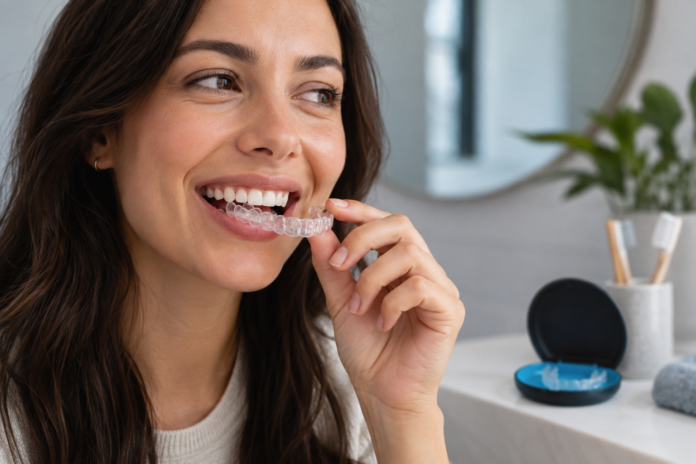

Invisalign treatment can be appealing for people who want a less visible way to straighten their teeth, but clear aligners still require planning, discipline, and professional assessment. Treatment usually involves a series of custom-made aligners that gradually guide teeth into new positions. When considering invisalign hawthorn, it is useful to understand how aligners fit into the wider orthodontic process, including suitability checks, digital planning, wear time, oral hygiene, and long-term retention. Clear aligners are removable, but the best results depend on using them consistently and following clinical guidance.
Suitability Comes First
Clear aligners can treat many orthodontic concerns, including crowding, spacing, some bite issues, and crooked teeth. However, they are not suitable for every case. The American Association of Orthodontists notes that aligners may be used for problems such as crowded teeth, gapped teeth, overbite, underbite, open bite, and crossbite, but they are not right for everyone.
An orthodontic assessment usually looks at the teeth, gums, bite, jaw relationship, and any existing dental work. Gum health and untreated decay may need attention before scans or impressions are taken, because aligners are made to fit the teeth closely.
The First Appointment Sets the Direction
The first consultation is usually about understanding the person’s goals and checking whether aligner treatment is appropriate. This may include photos, X-rays, digital scans, bite assessment, and discussion of concerns such as crowding, gaps, bite comfort, or previous orthodontic relapse.
Digital planning is an important part of clear aligner treatment. Orthodontics Australia explains that clear aligners are transparent, custom-made trays that fit snugly over the teeth and guide tooth movement over time. The planned sequence helps show how teeth are expected to move and whether attachments, elastics, or other support may be needed.
Wear Time Affects Progress
Because aligners are removable, patient habits play a major role. Aligners usually need to be worn for most of the day and night, apart from eating, drinking anything other than water, brushing, and flossing. Invisalign commonly advises wearing aligners for 20 to 22 hours a day, though individual instructions can vary.
Missing wear time can slow progress or cause aligners to stop fitting properly. Small delays may seem harmless, but repeated inconsistency can affect the overall treatment plan. Building a daily routine is one of the most practical ways to keep treatment on track.
Eating and Drinking Habits Will Change
One advantage of clear aligners is that they are removed for meals. This means there are usually fewer food restrictions than with fixed braces. However, aligners should be taken out before eating to avoid damage, staining, or trapped food.
Drinking water while wearing aligners is generally fine, but coloured, sugary, or hot drinks can create problems. They may stain the trays, increase the risk of decay, or warp the plastic. Brushing before putting aligners back in helps reduce the chance of food and plaque being trapped against the teeth.
Oral Hygiene Becomes More Important
Clear aligners cover the teeth for long periods, so oral hygiene needs to be consistent. Brushing and flossing help prevent plaque buildup, bad breath, gum irritation, and tooth decay during treatment.
Aligners also need cleaning. Rinsing them, brushing them gently as directed, and storing them safely when removed can help keep them clear and hygienic. Leaving aligners in tissues, pockets, or open surfaces increases the risk of loss, damage, or contamination.
Attachments May Be Part of Treatment
Some Invisalign treatment plans include small tooth-coloured attachments placed on selected teeth. These help aligners grip the teeth and guide certain movements more effectively. Attachments can feel noticeable at first, especially when removing aligners, but many people adjust quickly.
Other additions may include elastics or refinements. Refinements are extra aligners used when teeth need further adjustment near the end of the planned sequence. These steps are part of normal orthodontic management and do not necessarily mean treatment has gone wrong.
Appointments Monitor Tooth Movement
Follow-up appointments allow the orthodontic team to check how teeth are tracking, whether aligners are fitting well, and whether any adjustments are needed. These visits are important because clear aligner treatment is guided by a plan, but real teeth do not always move exactly as predicted.
Progress checks can also identify issues early, such as poor fit, attachment loss, gum concerns, or inconsistent wear. Staying in contact with the treating provider helps keep treatment safer and more predictable.
Retainers Protect the Result
Finishing the final aligner is not the end of orthodontic care. Teeth naturally tend to shift after movement, so retainers are usually needed to help maintain the result. The type and schedule depend on the individual case and professional advice.
Retention is often one of the most overlooked parts of treatment. Wearing retainers as instructed helps protect the time, effort, and cost invested in aligner therapy.
Starting With Realistic Expectations
Invisalign treatment can be discreet and flexible, but it still requires commitment. Suitability, planning, wear time, hygiene, attachments, appointments, and retainers all shape the outcome. Understanding these factors before starting helps patients approach clear aligner treatment with realistic expectations and better daily habits.