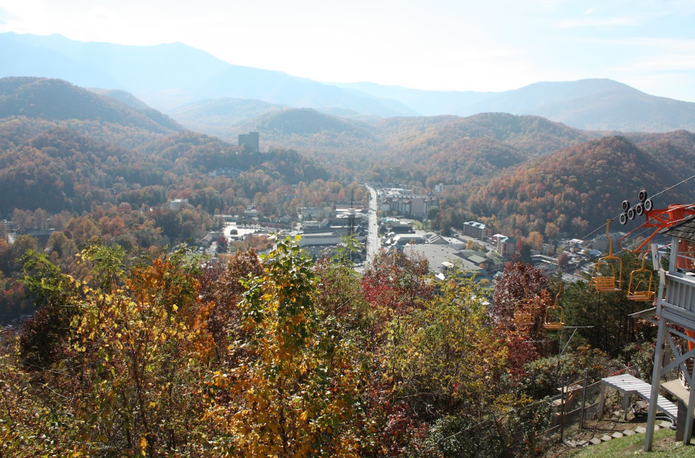

A mountain trip can look effortless in photos, but the smoothest vacations usually have a little planning behind them. Where you stay affects how much driving you do. The season changes crowd levels. A packed itinerary can make even beautiful scenery feel exhausting by day three. Gatlinburg gives you access to mountain landscapes, outdoor recreation, dining, shopping, and family activities in a fairly compact area, but the experience is much better when you plan around your actual travel style instead of trying to squeeze everything into one weekend.
Choose Your Timing With Crowds in Mind
When you visit can completely change how the trip feels.
Summer, holiday periods, and peak fall foliage season tend to draw heavier crowds. That can mean slower traffic, fewer lodging choices, longer restaurant waits, and more competition for parking or popular outdoor areas.
If your schedule is flexible, consider traveling during quieter stretches. Early spring, parts of late fall, and certain winter periods can offer a slower pace while still giving you plenty to do.
Weather should be part of the decision too. Mountain conditions can change quickly, particularly during colder months. Roads, trails, and outdoor areas may occasionally close or become difficult to access.
Check conditions shortly before the trip instead of assuming everything listed in your original itinerary will still be available.
A flexible plan beats arriving with twelve reservations and no backup options.
Stay Somewhere That Matches the Way You Travel
Accommodation affects more than where you sleep.
If you’re traveling as a couple, family, or small group, extra living space can make mornings and evenings considerably easier. A kitchen gives you the option to handle breakfast or snacks yourself. Separate rooms help when different people have different bedtimes. A living area gives everyone somewhere to decompress without sitting on a bed.
For travelers comparing condos for rent Gatlinburg ranks among the top options for those who want more space, privacy, and home-like conveniences during their stay. Vacation Rentals in Gatlinburg offer condo-style accommodations that can work well for couples, families, and small groups looking for kitchens, separate living areas, and a more relaxed setup than a standard hotel room.
can find plenty of options that offer more space, privacy, and everyday conveniences than a standard hotel room. Condo-style stays can be especially useful for couples, families, or small groups who want kitchens, separate living areas, and a more relaxed setup during a longer stay.
That kind of arrangement can be especially useful on longer stays. You can store groceries, take a break between activities, and avoid turning every meal into another reservation.
Choose based on how you actually live while traveling, not simply which listing has the prettiest balcony photo.
Build the Day Around One or Two Priorities
The quickest way to make a vacation tiring is to turn it into a checklist.
Instead of scheduling six major activities in one day, choose one or two that matter most. Leave room around them for meals, walking, traffic, weather changes, and spontaneous stops.
For example, you might spend the morning doing something outdoors, take a long afternoon break, and head back out for dinner or an evening attraction.
Families with children or older relatives may need even more breathing room.
Travel days tend to take longer than expected. Parking takes time. People get hungry at inconvenient moments. Someone will suddenly need a bathroom precisely when everyone else is ready to leave.
Build enough margin into the schedule that those moments do not feel like emergencies.
Treat the Mountains as Part of the Trip, Not Another Task
Outdoor scenery is one of the biggest reasons people visit, but you do not need to complete a difficult hike to enjoy it.
Choose activities based on your fitness level and the amount of time you genuinely want to spend outdoors. Scenic drives, shorter walking routes, overlooks, streams, and picnic areas can provide plenty of mountain atmosphere without consuming an entire day.
If you do plan to hike, check trail conditions first.
Wear proper footwear, carry water, and give yourself more time than the distance alone suggests. Elevation and uneven terrain can turn a seemingly short walk into something more demanding.
Avoid treating outdoor areas as boxes to tick off a list. Spending two relaxed hours somewhere beautiful is often more memorable than racing through four stops simply because an itinerary told you to.
Plan Meals Before Everyone Gets Hungry
Food decisions become surprisingly complicated once an entire group is tired.
Popular dining areas can become crowded around conventional breakfast, lunch, and dinner times. Eating slightly earlier or later can reduce waiting considerably.
If your accommodation has a kitchen, use it strategically. You do not need to cook elaborate meals on vacation. Coffee, breakfast, sandwiches, fruit, snacks, or a simple dinner can save both money and time.
Keep easy snacks and water available during long days out.
This matters even more when children are involved. A hungry child does not care that the restaurant has a famous view.
Mix a few meals you are genuinely excited about with easier options. Every meal does not need to become an event.
Explore Beyond the Busiest Areas
The most crowded streets naturally attract attention, but spending the entire trip there can make the destination feel much more hectic than it actually is.
Give yourself time to explore quieter areas.
Local craft shops, galleries, scenic roads, small stores, and less crowded outdoor spaces can provide a welcome contrast to the busiest attractions.
These slower stretches of the trip often end up being unexpectedly memorable. You have more time to browse, talk, take photos, or simply sit somewhere without immediately thinking about the next reservation.
They also give you a better sense of the area beyond its most obvious tourist-facing side.
A good trip usually needs both energy and quiet.
Think About Transportation Before You Arrive
Driving and parking can become a major source of frustration during busy travel periods.
Before the trip, look at where your accommodation sits relative to the places you plan to visit most often. A cheaper stay can lose some of its value if you spend large parts of each day driving back and forth.
Consider walking or local transportation options when practical.
If you do drive, group nearby activities together instead of crossing the same area several times during one day.
This is one of those planning decisions that sounds boring until it saves you an hour of traffic.
The goal is not to optimize every mile. It is to avoid unnecessary ones.
Leave Space for Weather Changes
Mountain weather does not always cooperate with vacation plans.
Rain may interrupt an outdoor afternoon. Colder temperatures can arrive earlier than expected. Summer heat can make a midday activity less appealing than it looked while planning from an air-conditioned room.
Have a few indoor alternatives in mind.
Museums, shops, casual attractions, restaurants, entertainment, and simply spending an afternoon at your accommodation can all serve as backup options.
Do not treat bad weather as a ruined day. Sometimes it just changes the pace.
A flexible itinerary makes those changes much easier to absorb.
Spend With the Whole Trip in Mind
Lodging is only one part of the budget.
Meals, parking, attraction tickets, fuel, souvenirs, groceries, and small daily purchases can quietly add up. Setting rough limits before the trip keeps those expenses from becoming a surprise later.
Decide which experiences are worth paying more for and where you are comfortable saving.
Cooking one meal at your accommodation might free up money for something everyone genuinely wants to do. Skipping an attraction nobody feels strongly about could pay for a better dinner.
Vacations are more enjoyable when every decision does not turn into a small financial debate.
Give the Trip Enough Breathing Room
The best mountain getaways rarely feel successful because you managed to do absolutely everything. They work because the pace feels right.
Choose accommodation that supports your group, schedule a handful of worthwhile activities, keep meals and transportation practical, and leave open space in the itinerary. Before heading outdoors, you can use the National Park Service’s trip-planning guidance to prepare for changing conditions and other practical considerations.
That open space is where the unexpected parts happen: a scenic stop you had not planned, an afternoon nap after a long walk, a quiet coffee, or another hour somewhere nobody is ready to leave yet. For longer drives, the Federal Highway Administration’s America’s Byways resource can also help you discover scenic routes worth working into the journey.
Planning matters. So does knowing when to stop planning. A good getaway should feel like time away from your normal schedule, not the same level of stress wearing hiking shoes.