
The Artistry and Tradition of Handcrafted European Leather Clogs
Finding the perfect gift for women can be a delightful challenge, especially when aiming for something both unique and lasting. In August 2026, as trends come and go, some items stand the test of time, offering comfort, style, and a touch of heritage.
Among these enduring treasures are handcrafted European leather clogs. These aren’t just footwear; they represent a fusion of artisan skill, ergonomic design, and sustainable practices. For centuries, European workshops have passed down the traditions of creating these distinctive shoes, carrying forward a legacy that handcrafts premium leather clogs today.
This article will explore the rich history and meticulous artistry behind these iconic shoes. Readers will discover their remarkable comfort, versatile styling options, and how their sustainable qualities make them a thoughtful investment. Understanding the appeal of these unique pieces can help in selecting a truly special present that offers both functional elegance and timeless charm.
The creation of European leather clogs is a testament to enduring artisan methods, combining natural timber with high-quality full-grain leather. This meticulous process ensures not only a durable product but also one that offers exceptional comfort and support. The tradition often involves vegetable tanning for the leather, a time-honored technique that minimizes environmental impact while producing a rich, supple material that ages beautifully. At the heart of their design are anatomical footbeds, carefully sculpted to conform to the natural contours of the foot, providing a foundation for long-term wearability.
These clogs are more than just footwear; they are a legacy, embodying generations of shoemaking expertise. The choice of materials is deliberate, focusing on sustainability and natural origins. Timber, often sourced from responsibly managed forests, forms the sturdy base, while the leather, chosen for its strength and aesthetic appeal, wraps the foot in comfort. This blend of natural elements and skilled craftsmanship results in a product that stands apart in an era of mass production.
Preservation of Heritage in Handcrafted European Leather Clogs
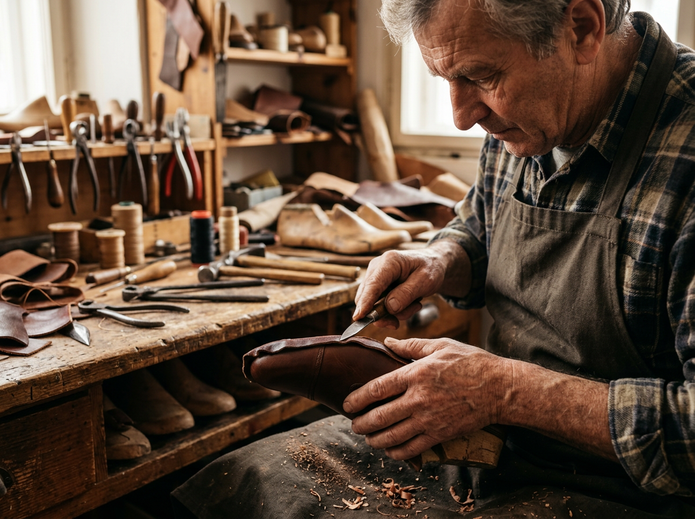
The heritage of handcrafted European leather clogs is deeply rooted in old-world techniques passed down through generations of master cobblers. Within quaint European ateliers, these skilled artisans meticulously transform raw materials into functional works of art. The process often begins with shaping the leather upper onto a wooden last, a crucial step that dictates the final form and fit of the shoe. Precision stapling then secures the leather to the timber base, a technique that requires both strength and delicate accuracy. This generational craftsmanship ensures that each pair of clogs carries with it a story of tradition and dedication.
The workshops where these clogs are made are often small, family-run operations, where knowledge is shared from elder to apprentice. This commitment to traditional methods means that while designs may evolve, the core principles of quality and durability remain constant. The hands-on approach of these cobblers contrasts sharply with industrial manufacturing, offering a unique product that reflects individual care and expertise. This dedication to preserving time-honored practices ensures that the authentic character of European clogs continues to thrive.
Ergonomic Design and Structural Support
Beyond their aesthetic appeal, handcrafted European leather clogs are celebrated for their ergonomic design and superior structural support. The orthopedic contouring of their footbeds is specifically engineered to cradle the foot, promoting healthy alignment and reducing strain. A distinctive feature is the rocker bottom sole, which facilitates a natural walking motion, lessening the impact on joints and muscles. This design actively encourages proper spinal alignment, contributing to overall posture improvement and reducing back fatigue.
Integrated arch support is another critical component, preventing common foot ailments and providing comfort during extended periods of standing or walking. The combination of these features contributes significantly to foot wellness, transforming a simple shoe into a therapeutic aid. By distributing weight evenly across the foot, these clogs help to alleviate pressure points, offering a level of comfort that can reduce fatigue and enhance daily mobility. This thoughtful engineering makes them a preferred choice for individuals seeking both style and sustained well-being.
Materials, Sustainability, and Construction
The enduring appeal of handcrafted European clogs is intrinsically linked to their materials, construction, and commitment to sustainability. The timber bases, frequently made from beechwood, are often sourced from sustainable forestry practices, ensuring minimal environmental impact. These robust wooden foundations are then combined with durable rivets and high-quality leather, creating a shoe built to last. The natural properties of the leather also contribute to moisture-wicking, keeping feet comfortable and dry throughout the day.
The construction process emphasizes longevity and repairability, aligning with principles of circular manufacturing. Unlike fast fashion items designed for transient trends, these clogs are made to be cherished and maintained, extending their lifespan significantly. This focus on durable materials and thoughtful construction not only benefits the wearer but also supports a more sustainable approach to consumption.
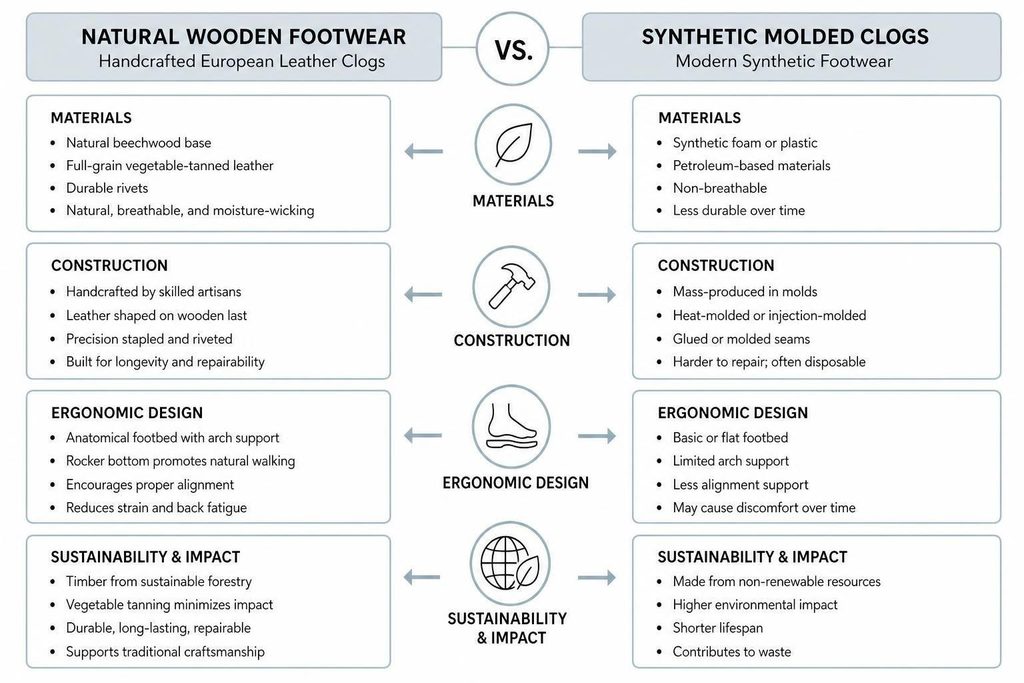
A conceptual diagram illustrating the fundamental differences in material composition, manufacturing processes, and environmental impact between traditional natural wooden footwear and modern synthetic molded clogs.
The Quality of Handcrafted European Leather Clogs in Modern Wardrobes
In an era increasingly conscious of environmental impact and ethical consumption, handcrafted European leather clogs have found their rightful place within the slow fashion movement. Their timeless utility transcends fleeting trends, establishing them as true wardrobe staples. The enduring materials used in their construction, such as full-grain leather and sturdy timber, ensure that these clogs are not just fashionable but also incredibly durable. This commitment to quality and longevity aligns perfectly with a desire for products that offer lasting value rather than disposable convenience.
The craftsmanship involved, often from heritage workshops, ensures that each pair is built to withstand the rigors of daily wear while maintaining its structural integrity and aesthetic appeal. This focus on enduring materials and meticulous construction means that clogs can be a thoughtful investment, serving as a versatile foundation for a variety of outfits and occasions. Their ability to integrate seamlessly into diverse personal styles, from casual to more refined, underscores their position as a truly indispensable item in a modern, sustainable wardrobe.
Styling and Versatility Across All Seasons
One of the most remarkable qualities of handcrafted European leather clogs is their exceptional styling and versatility, making them suitable for wear across all seasons. Whether paired with light summer dresses or layered winter ensembles, these shoes adapt effortlessly, offering both comfort and a distinct aesthetic. Their trans-seasonal wear capabilities make them a smart addition to any wardrobe, capable of anchoring casual styling, complementing workwear aesthetics, or enhancing a minimalist fashion approach.
Spring and Summer Ensembles
As temperatures rise, European clogs transition beautifully into spring and summer ensembles. They pair exquisitely with light linen trousers, creating a relaxed yet polished look. Their open or peep-toe designs allow for breathable silhouettes, ensuring comfort even on warmer days. Neutral tones in leather complement a wide range of seasonal colors, making them an easy choice for everyday elegance. For those who enjoy the feeling of natural materials against their skin, the barefoot comfort offered by clogs is particularly appealing during these months. They provide a sturdy yet stylish foundation for garden parties, casual outings, or simply enjoying a sunny afternoon.
Fall and Winter Layering
When the weather cools, handcrafted clogs continue to shine, proving their worth in fall and winter layering. They look particularly chic when paired with chunky knitwear and cozy wool socks, adding a touch of rustic charm to an outfit. Their robust construction and closed-toe protection make them practical for cooler temperatures, while the rich leather hues complement the deeper color palettes of autumn and winter fashion. Styled with tailored overcoats or long cardigans, clogs can elevate a simple look, providing both warmth and a distinctive sense of style. Their solid base offers reliable traction, making them a sensible choice for navigating crisp autumn leaves or even light winter conditions.
Essential Care and Maintenance for Natural Footwear
To ensure the longevity and beauty of handcrafted European leather clogs, essential care and maintenance are crucial. Regular application of leather balms helps to keep the leather supple, preventing cracks and preserving its natural luster. For the wooden base, occasional wood preservation treatments, such as applying a thin coat of linseed oil, can protect against dryness and maintain its integrity. Effective moisture management is also key; clogs should always be allowed to air dry naturally if they get wet, away from direct heat sources. In cases of significant wear, many quality clogs offer resoling options, allowing for the replacement of worn soles and extending the life of the footwear.
Maintaining clogs also involves simple, routine steps to prevent excessive wear and tear. Brushing off dirt and dust regularly, and using a damp cloth for light cleaning, can keep them looking fresh. For deeper cleaning or conditioning, specialized products designed for natural leather and wood are recommended. Proper storage in a cool, dry place, away from direct sunlight, will also help to preserve their materials. This commitment to care not only protects the investment but also enhances the aesthetic appeal of the clogs over time, allowing them to age gracefully and develop a unique patina.
Frequently Asked Questions About European Wooden Footwear
How do rigid wooden soles promote better posture and foot support?
Rigid wooden soles play a significant role in promoting better posture and superior foot support by providing a stable and unyielding foundation. Unlike flexible soles that allow the foot to pronate or supinate excessively, the rigid footbeds of European clogs ensure consistent arch reinforcement. This stability helps in maintaining the natural arch of the foot, which in turn supports the entire kinetic chain, from the feet up through the legs and spine. The firm base ensures an even weight distribution across the sole of the foot, preventing pressure points and reducing strain on specific areas. This balanced support encourages proper spine alignment, as the body naturally adjusts to a more upright and stable stance. Consequently, individuals often experience reduced strain on their back, hips, and knees, leading to improved comfort and posture during prolonged standing or walking.
What is the most effective method to break in thick leather uppers?
Breaking in thick leather uppers on new clogs requires patience and a gentle approach to prevent discomfort or damage. The most effective method involves gradual wear, starting with short periods around the house. This allows the leather to slowly soften and mold to the unique shape of the wearer’s foot without causing immediate friction or blistering. Applying a good quality leather conditioning oil can significantly aid this process, making the leather more pliable and reducing stiffness. Wearing thick socks during the initial break-in period can also help by providing extra cushioning and slightly stretching the leather. It’s crucial to avoid forcing the break-in process with harsh methods, as this can damage the leather or cause significant discomfort. Consistent, gentle wear over time will naturally soften the leather, ensuring a comfortable and personalized fit.
How should natural timber and leather be shielded from moisture?
Protecting natural timber and leather from moisture is essential for preserving the integrity and appearance of European clogs. For the wooden soles, applying a protective layer such as beeswax or a specialized timber sealing product can create a barrier against water penetration. Linseed oil is another traditional option that nourishes the wood while offering some water resistance. For the leather uppers, water-resistant sprays designed for natural leather can provide an effective shield. These sprays create a breathable, protective layer without altering the leather’s texture or color. If clogs do get wet, it is crucial to allow them to air dry naturally at room temperature, away from direct heat sources like radiators or sunlight, which can cause the leather to crack and the wood to warp. Stuffing the clogs with newspaper can help absorb moisture and maintain their shape during the drying process. Regular reapplication of these protective treatments, especially after exposure to wet conditions, will ensure the clogs remain well-protected and durable.
Conclusion
Handcrafted European leather clogs embody a timeless craftsmanship that makes them a truly exceptional gift for women. Their blend of sustainable footwear practices, enduring durability, and functional elegance offers a unique combination of style and comfort. These shoes are more than just an accessory; they are a thoughtful wardrobe investment that reflects an appreciation for quality, tradition, and well-being. By choosing a pair of these meticulously crafted clogs, one is not only giving a beautiful item but also investing in a piece of heritage that promises lasting comfort and enduring style.