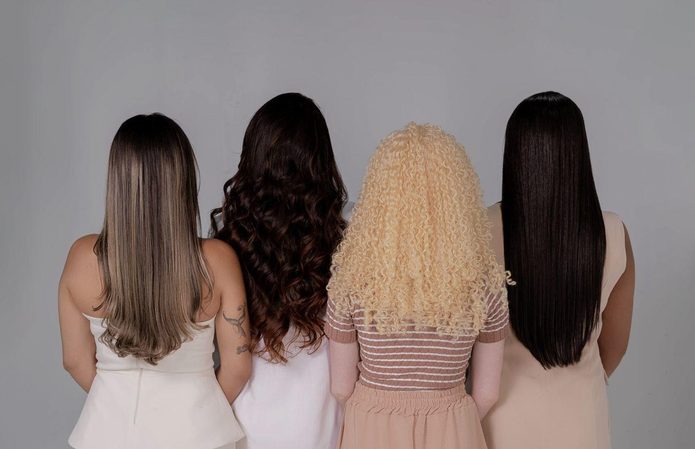

Scroll through social media for five minutes, and you’ll notice a pattern. Long, healthy, effortless-looking hair keeps showing up, again and again, across two generations that don’t usually agree on much. Gen Z and Millennials have very different takes on fashion, beauty routines, and what “trying too hard” even means. But when it comes to hair, both groups want the same thing: length that looks completely natural.
This isn’t just a fleeting moment. It’s a shift in how people think about beauty altogether, and it says a lot about what both generations value.
The Shared Obsession, Explained
For years, extensions were associated with obvious volume, sharp contrast, and a look that screamed “salon visit.” That’s changed. Now, the goal is hair that looks like it grew that way. No one wants their extensions to be the first thing people notice.
Millennials, many of whom grew up watching hair trends swing from one extreme to another, have landed on a preference for polish that still feels low-key. Gen Z, raised on unfiltered content and skepticism toward anything that looks overly curated, gravitates toward the same result but for a different reason: authenticity matters more to them than perfection.
Different motivations, same outcome. Both generations want length and fullness that reads as real.
Why “Real-Looking” Beats “Dramatic”
A few cultural shifts explain why natural length has taken over.
Social platforms reward realism now. Content that looks too staged or overly done tends to get called out fast. Hair that moves naturally, catches light the right way, and doesn’t look stiff performs better on camera and feels more trustworthy to viewers.
Wellness culture has reshaped beauty standards. Both generations came of age during a bigger cultural focus on health, self-care, and sustainability. That mindset carried over into hair. People want length that looks like it comes from healthy hair, not from an obvious add-on.
Busy lifestyles favor low-maintenance choices. Between work, school, side hustles, and everything in between, few people have hours to spend on styling. Natural-looking extensions that require less daily effort fit into that pace of life far better than high-maintenance, dramatic looks.
How Gen Z and Millennials Are Achieving the Look
The methods each generation leans toward can vary slightly, but the underlying formula is the same: quality hair, the right method, and a seamless blend.
Tape in hair extensions are especially popular across both groups right now. Tapes for hair extensions lie flat against the scalp, which keeps the base practically invisible and avoids the bulk that used to make extensions easy to spot. They’re also fast to install, which appeals to anyone who wants results without a long salon appointment.
Weft weave extensions are another favorite, particularly for adding length and fullness through the mid-lengths without weighing down the roots. Machine weft hair extensions offer a quicker, budget-conscious option, while hand-tied wefts tend to lie flatter and last longer between reinstalls. Sew in extensions remain popular with people who want a secure, long-wearing style they don’t have to think about for weeks at a time.
Clip ins hair extensions are especially popular with Gen Z, who often want the flexibility to change their look from one day to the next. Clip in extensions require no commitment and no appointment, which fits a generation that likes to experiment without permanence. They’re an easy way to test out extra length before committing to a longer-term method.
Synthetic weave hair extensions still have a place for quick, one-off looks, but most people chasing that natural, undetectable length invest in human hair instead, since it blends, moves, and holds color far more convincingly.
The Role of Color and Texture
Length alone doesn’t create a natural look. Color and texture matter just as much. A well-matched shade that mimics how natural hair lightens toward the ends makes a bigger difference than most people expect. So does choosing a texture that matches your natural pattern, whether that’s sleek and straight or soft waves.
This is part of why so many people, regardless of generation, are willing to spend more time researching color guides and asking questions before choosing extensions. It’s not about vanity. It’s about getting a result that actually looks like it belongs to them.
Everyday Styling That Keeps It Looking Natural
Once the extensions are in, a few simple habits help keep the illusion intact:
- Brush gently from the ends upward to prevent tension and shedding
- Avoid piling too much hair into one section, which can create obvious bulk
- Let a few natural pieces frame the face for a softer transition
- Reach for lightweight products that won’t weigh hair down or make it look flat
Quick braided hairstyles have become a go-to for both generations on days when there’s no time for a full styling routine. A loose, textured braid disguises wefts and clips easily, adds dimension, and still looks intentional rather than rushed.
Why This Trend Isn’t Going Anywhere
Trends built around looking a certain way tend to fade quickly. Trends built around feeling like the best version of yourself tend to stick. That’s likely why natural-looking length has resonated with two generations that otherwise approach beauty so differently. It isn’t about chasing a specific aesthetic. It’s about wanting hair that looks effortless, healthy, and unmistakably like your own.
For anyone curious about trying it, the easiest starting point is to shop hair online from a brand that’s transparent about hair sourcing, offers multiple methods to choose from, and provides real color guidance rather than guesswork. Getting those basics right makes all the difference between extensions that look add-on and extensions that simply look like more of your own hair.
FAQs
Why do Gen Z and Millennials both prefer natural-looking extensions?
Both generations want hair that looks healthy and effortless rather than obviously styled, even though their reasons for wanting that look differ slightly.
Which extension method looks the most natural?
Tape ins and hand-tied wefts tend to blend the flattest, but quality hair and a good color match matter more than the method itself.
Are clip ins a good option for natural length, or only for special occasions?
Clip ins work well for everyday wear too, as long as they’re placed carefully and color-matched to your natural hair.
Do I need salon experience to get this look at home? Not necessarily.
Clip ins are simple enough for beginners, while tape ins and sew ins are best handled by a trained stylist for a seamless result.
How often do natural-looking extensions need maintenance? It depends on the method. Tape ins usually need a touch-up every six to eight weeks, while wefts can be reinstalled and reused for months with proper care.