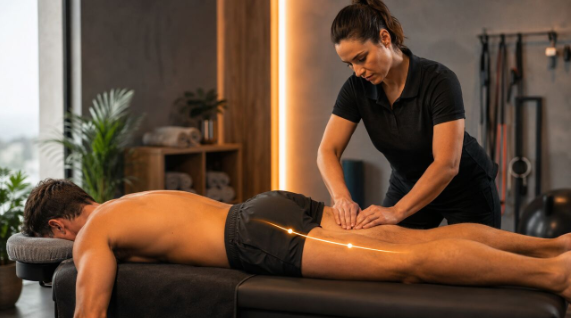

Learn how sports massage differs from other massage approaches, when it may fit an active lifestyle, and what to consider before booking.
For active adults, training is only one part of maintaining a consistent routine. Recovery also matters. Running, strength training, cycling, recreational sports, and physically demanding activities can leave muscles feeling tight, tired, or less mobile than usual.
That is often when people begin considering sports massage. However, choosing the right type of massage is not always straightforward. Sports massage, deep tissue massage, relaxation massage, and other therapeutic approaches can overlap, yet they are not necessarily used for the same goals.
Understanding what sports massage involves, when it may be appropriate, and what to expect from an appointment can help active adults make a more informed decision.
What Makes Sports Massage Different?
Sports massage is generally focused on the physical demands associated with exercise, training, and repetitive movement.
Rather than centring the session primarily on relaxation, the approach may focus on specific muscle groups that have been working heavily during activity. The therapist may adjust techniques and pressure according to the individual’s training routine, areas of tension, and goals for the appointment.
This does not mean sports massage is appropriate for every concern. Persistent pain, sudden injuries, significant swelling, or symptoms that interfere with normal movement may require assessment by an appropriate healthcare professional.
For people experiencing ordinary post-activity tightness or looking to complement an established recovery routine, however, sports-focused massage may be worth considering.
Start by Identifying Your Recovery Goals
Before booking an appointment, think about what you want to achieve.
Some people may be looking for help managing the feeling of tight muscles after a demanding week of training. Others may want to support general mobility or include massage as one element of a broader recovery routine.
Useful questions to consider include:
- Which activities place the most physical demand on your body?
- Are certain muscle groups regularly feeling tight after exercise?
- Is your goal general recovery, mobility, or preparation for continued activity?
- Are you dealing with an ongoing concern that should first be assessed by a healthcare professional?
Being clear about your goals also makes it easier to communicate with the massage provider before and during the appointment.
People comparing local treatment options can review information about sports massage Abbotsford to better understand how a sports-focused service may fit different activity and recovery needs.
Consider How Massage Fits Into Your Training Routine
Another common question is when to schedule a sports massage.
There is no single schedule that works for every active person. The timing of an appointment can depend on training volume, exercise intensity, personal preferences, and how an individual responds to massage.
Someone who trains recreationally several times per week may have different recovery needs from an athlete preparing for an event. Similarly, a person returning to activity after time away may experience exercise differently from someone accustomed to a consistent training schedule.
Instead of following an arbitrary timetable, consider how your body feels across your normal week of activity.
Recovery should also involve more than massage alone. Sleep, appropriate nutrition, hydration, rest, and sensible training progression remain important parts of maintaining an active lifestyle.
Massage is better viewed as one possible component of that broader routine rather than a substitute for recovery fundamentals.
Know What to Expect From an Appointment
A sports massage appointment should begin with clear communication.
The therapist may ask about your activity level, current training, areas of tightness, previous experiences with massage, and what you hope to get from the session.
Pressure can vary depending on the approach and the individual’s comfort. Sports massage does not need to be excessively intense to be useful, and clients should feel comfortable providing feedback if pressure or technique feels inappropriate.
It is also helpful to mention recent activity and any significant health concerns before treatment begins. This gives the provider better context for tailoring the session.
First-time clients may want to ask about session length, treatment style, clothing expectations, and what they should do following the appointment.
Choose a Provider Based on More Than Convenience
Location and appointment availability matter, but they should not be the only considerations.
Active adults should also evaluate the provider’s experience, treatment approach, communication style, and relevant qualifications. If insurance coverage is important, confirm whether the type of provider and treatment is eligible under your specific benefits plan before booking.
Consider asking:
- What type of sports or active clients does the provider commonly work with?
- How is each session adapted to individual goals?
- What qualifications does the therapist hold?
- How long are appointments?
- What information should you provide before treatment?
Clear answers can make it easier to determine whether a provider fits your expectations.
Make Recovery Decisions Around Your Needs
Sports massage is not simply for competitive athletes. Recreational runners, gym members, cyclists, active professionals, and people participating in community sports may also consider it as part of their recovery planning.
The important factor is whether the treatment fits the individual’s circumstances.
Rather than booking based solely on soreness or following someone else’s recovery routine, start by considering your activity level, goals, symptoms, schedule, and overall recovery habits.
A thoughtful approach can help you decide when massage makes sense and what you should expect from the experience. When combined with appropriate rest and training practices, it can become one part of a more deliberate approach to staying active.
Additional Resources
For more information about incorporating massage into an exercise recovery routine, review this resource on post workout massage and considerations for active individuals following training.