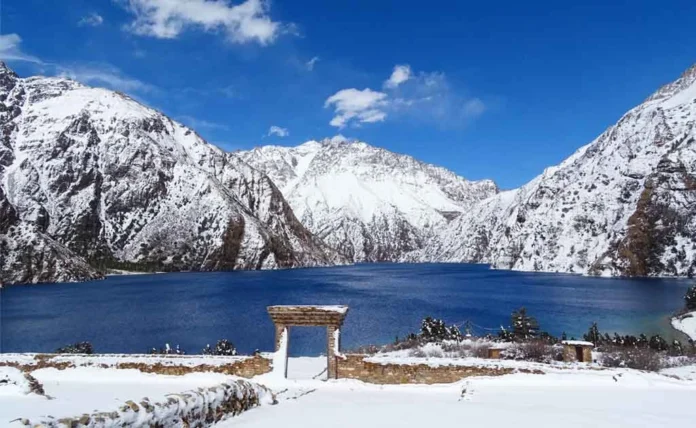

The Upper Dolpo & Shey Gompa Trek is one of Nepal’s most remote and extraordinary Himalayan adventures. Located in the far northwest of the country, Upper Dolpo is known for dramatic high-altitude landscapes, ancient Buddhist and Bon traditions, isolated villages, and spectacular mountain passes. The journey also includes the famous turquoise waters of Phoksundo Lake and the historic Shey Gompa beneath the sacred Crystal Mountain.
Unlike the popular teahouse treks of the Everest and Annapurna regions, Upper Dolpo is a remote camping expedition. Trekkers should therefore be prepared for long walking days, high passes, limited infrastructure, and changing mountain conditions. A typical Upper Dolpo itinerary takes around 20 to 28 days, depending on the route and acclimatization schedule.
Upper Dolpo & Shey Gompa Trek Overview
The trek usually begins with flights from Kathmandu through Nepalgunj to Juphal, the main air gateway to the Dolpo region. From Juphal, the trail enters the remote valleys of Dolpo before reaching Phoksundo Lake and continuing toward Shey Gompa.
One of the major highlights is crossing Kang La Pass, which reaches approximately 5,300–5,360 meters depending on the route and measurement used. The trail then continues through high-altitude valleys, traditional settlements, and additional mountain passes before returning toward the lower Dolpo region.
The journey offers a remarkable combination of natural beauty and cultural discovery. Traditional Tibetan-influenced villages, ancient monasteries, prayer flags, and centuries-old religious practices are found throughout the region.
Upper Dolpo & Shey Gompa Trek Itinerary
Because the route is long and remote, exact itineraries vary between trekking agencies. The following is a representative itinerary that can be adjusted according to weather, acclimatization, and route conditions.
Days 1–3: Kathmandu to Juphal and Dunai
The adventure begins with travel from Kathmandu to Nepalgunj, followed by a flight to Juphal. From the airstrip, trekkers walk toward Dunai, the administrative center of Dolpo.
The early trail passes through river valleys, forests, suspension bridges, and traditional settlements.
Days 4–7: Dunai to Phoksundo Lake
The trail continues deeper into the Dolpo region, passing through increasingly remote landscapes. After several days of walking, trekkers reach Phoksundo Lake, one of Nepal’s most spectacular natural attractions.
The lake is famous for its striking blue-green color and dramatic surrounding cliffs. A rest day here provides an opportunity to explore the area and prepare for the higher sections of the trek.
Days 8–11: Phoksundo Lake to Shey Gompa
After leaving Phoksundo, the route enters the more remote Upper Dolpo landscape. One of the most memorable sections follows the trail toward Kang La Pass.
Crossing the high pass requires an early start and careful pacing. From the pass, trekkers descend toward the valley containing Shey Gompa, an important spiritual and cultural destination beneath Crystal Mountain.
Days 12–15: Shey Gompa to Saldang
After exploring Shey Gompa, continue toward Saldang and other traditional settlements. The trail crosses additional high passes and follows remote mountain valleys.
Saldang is one of the most important settlements in Upper Dolpo, with traditional houses and agricultural terraces surrounded by rugged Himalayan scenery.
Days 16–19: Saldang to Dho Tarap
The journey continues through remote valleys and high mountain terrain. Depending on the selected route, trekkers cross additional passes before descending toward the Tarap Valley.
Dho Tarap is an important settlement where Tibetan Buddhist and Bon cultural traditions remain visible.
Days 20–24: Dho Tarap to Dunai
The trail gradually descends through dramatic gorges and river valleys toward Dunai. As the altitude decreases, vegetation becomes greener and temperatures become more comfortable.
The route eventually reconnects with the lower Dolpo trail before reaching Dunai.
Final Days: Juphal to Kathmandu
From Dunai, travel back toward Juphal and take the return flights through Nepalgunj to Kathmandu.
Because flights in remote mountain regions can be affected by weather, maintaining some flexibility in the final days is strongly recommended.
Upper Dolpo & Shey Gompa Trek Cost
The Upper Dolpo & Shey Gompa Trek cost is significantly higher than many popular Nepal trekking routes. The main reasons are the remote location, restricted-area permits, domestic flights, camping logistics, food supplies, guides, porters, cooks, and transportation.
Unlike standard teahouse treks, Upper Dolpo generally requires a fully supported camping setup. A trekking team may need to carry tents, kitchen equipment, food, fuel, and other supplies for the expedition.
A complete trekking package may include:
- Domestic flights to and from Dolpo
- Restricted-area permits
- National park entry fees
- Professional trekking guide
- Camping equipment
- Cook and support staff
- Porters or pack animals
- Tents and meals
- Ground transportation
- Accommodation before and after the trek
Travelers should budget separately for international flights, Nepal visa fees, travel insurance, personal trekking gear, tips, drinks, and other personal expenses.
Because package prices vary considerably, request a detailed quotation before booking.
Upper Dolpo Trek Permits
Permits are one of the most important parts of planning this trek because Upper Dolpo is a restricted trekking area.
For international trekkers, the main requirement is the Upper Dolpo Restricted Area Permit (RAP). Current published 2026 guidance lists the fee at approximately USD 500 for the first 10 days, with an additional USD 50 per day afterward. The exact permit structure and associated requirements should be confirmed with a registered trekking agency before departure.
Trekkers also need the applicable Shey Phoksundo National Park entry permit. Depending on the itinerary, additional documentation may be required for sections passing through Lower Dolpo.
Upper Dolpo trekking generally requires organized arrangements through a licensed agency, and published guidance indicates a minimum group requirement of two trekkers.
Difficulty of the Upper Dolpo Trek
The Upper Dolpo & Shey Gompa Trek is considered a very challenging Himalayan trek. Its difficulty comes not from technical climbing but from its remoteness, high altitude, repeated long walking days, limited infrastructure, and multiple passes above 5,000 meters.
Trekkers should have strong cardiovascular fitness and previous experience with multi-day high-altitude hiking. Regular hiking, stair climbing, endurance training, and strength exercises can help prepare the body for the demanding conditions.
Acclimatization is especially important. A slow pace, adequate hydration, nutritious meals, and sufficient rest can help your body adapt to the altitude.
Best Time for Upper Dolpo & Shey Gompa Trek
The best trekking period depends on the specific route and current mountain conditions. Upper Dolpo lies in the Himalayan rain shadow, so it can remain relatively dry during Nepal’s summer monsoon. Current trekking guidance commonly identifies late spring through autumn as the main trekking window, with May–June and September–October frequently recommended.
Spring
Late spring can provide favorable conditions, although snow may remain on some high passes early in the season.
Summer
Upper Dolpo’s rain-shadow location makes it more suitable for summer trekking than many other regions of Nepal. However, flight and trail conditions can still change unexpectedly.
Autumn
September and October can offer clear skies, excellent visibility, and relatively stable trekking conditions.
Winter
Winter is generally unsuitable for most Upper Dolpo itineraries because heavy snow and extreme cold can make high passes and remote trails difficult or inaccessible.
What to Pack
Because this is a remote camping expedition, packing requires careful planning. Essential equipment includes sturdy trekking boots, warm layers, thermal clothing, a waterproof jacket, insulated gloves, a warm hat, sunglasses, sunscreen, a sleeping bag, and a comfortable backpack.
You should also carry personal medication, a first-aid kit, water purification supplies, a headlamp, power bank, trekking poles, toiletries, and copies of important travel documents.
Your trekking agency normally handles major camping equipment and group supplies, but always confirm what is provided before departure.
Why Choose Upper Dolpo & Shey Gompa?
The biggest attraction of this trek is its combination of wilderness and culture. The route takes travelers far away from Nepal’s busiest trekking trails into landscapes that remain remarkably remote.
Phoksundo Lake, Shey Gompa, Crystal Mountain, high mountain passes, traditional villages, and ancient Buddhist and Bon traditions create an experience unlike most other Himalayan treks.
For experienced trekkers seeking solitude, cultural discovery, and a genuine expedition-style adventure, Upper Dolpo is an exceptional destination.
Final Thoughts
The Upper Dolpo & Shey Gompa Trek is a demanding but extraordinary journey through one of Nepal’s most remote Himalayan regions. From the turquoise waters of Phoksundo Lake to the spiritual atmosphere of Shey Gompa and the dramatic high passes, every stage offers a distinctive experience.
Because of the restricted nature of the region, careful preparation is essential. Arrange the correct permits through a registered trekking agency, allow sufficient time for acclimatization, prepare for camping and remote conditions, and choose a season with suitable weather.
For adventurous travelers willing to take on the challenge, Upper Dolpo offers an unforgettable combination of wilderness, Himalayan scenery, and centuries-old mountain culture.