
Navigating Luxury Diamond Imports for Teardrop Engagement Rings
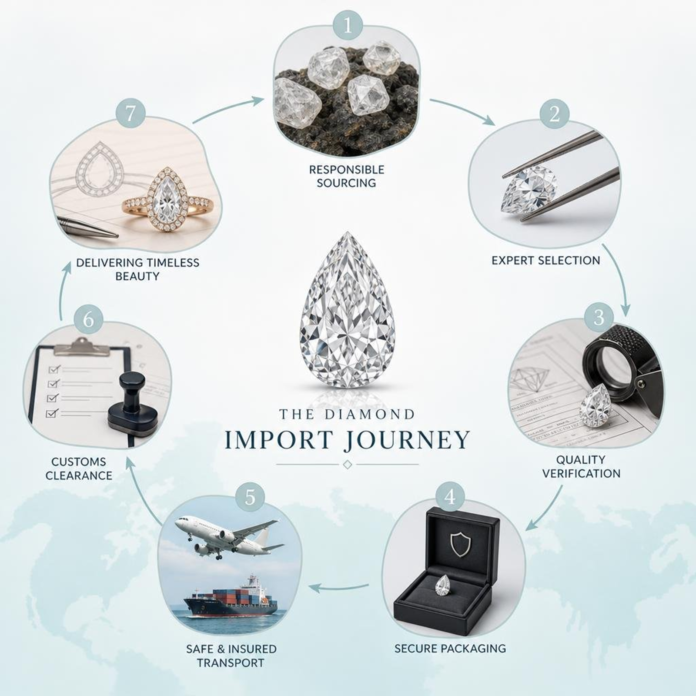
When embarking on the journey to acquire a teardrop diamond engagement ring, understanding the origins and quality standards of the diamonds is paramount. This knowledge ensures not only a beautiful piece but also one that aligns with ethical and quality expectations.
Sourcing Standards for Luxury Diamond Imports
The foundation of any exquisite diamond ring lies in the quality and provenance of its central stone. For those seeking truly exceptional pieces, understanding the nuances of diamond imports is crucial. We prioritize ethical sourcing, ensuring that every diamond we consider has a transparent journey from mine to market. This commitment means adhering to strict industry standards that prevent conflict diamonds and promote responsible labor practices.
Buyers today have a choice between natural diamonds, formed deep within the Earth over billions of years, and lab-grown diamonds, which are cultivated in controlled environments. Both offer distinct advantages. Natural diamonds carry the allure of rarity and geological history, while lab-grown diamonds provide an often more accessible, yet equally brilliant, alternative with a guaranteed origin. Regardless of choice, certification is non-negotiable. Reputable grading laboratories, such as the Gemological Institute of America (GIA), provide comprehensive reports detailing a diamond’s unique characteristics. These GIA grading reports are essential for verifying the cut, color, clarity, and carat weight, offering an unbiased assessment of the stone’s quality. For those looking for the pinnacle of quality and craftsmanship, exploring specialized providers of luxury diamond jewelry can open doors to an unparalleled selection of ethically sourced and expertly graded stones.
Visual Impact and Carat Weight Efficiency
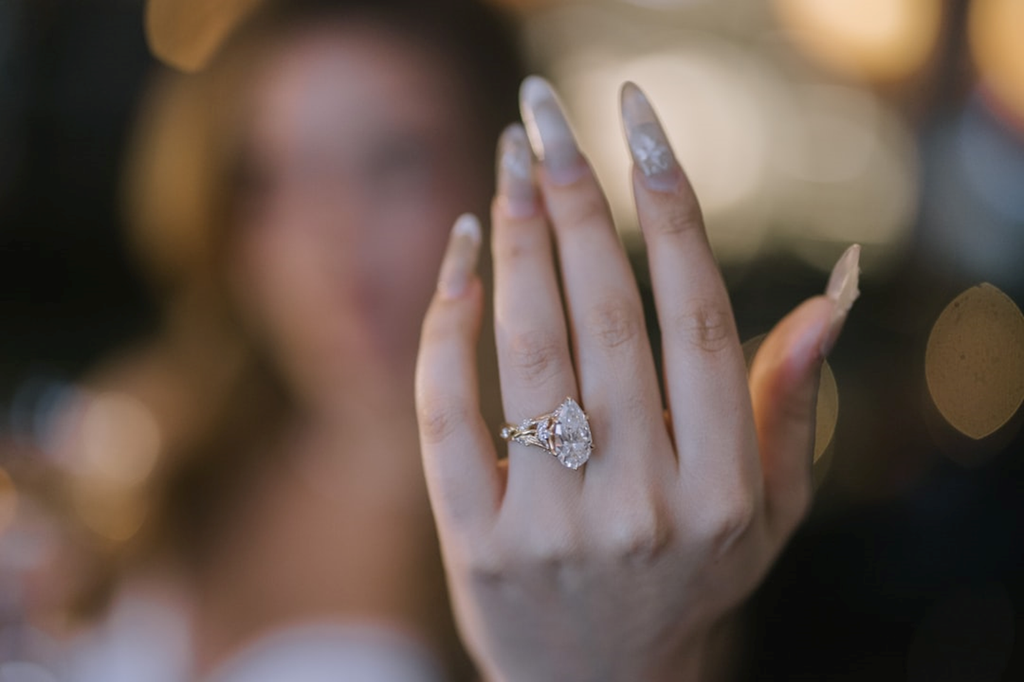
One of the most compelling reasons for the enduring popularity of the pear-shaped diamond is its remarkable visual impact relative to its carat weight. Due to its elongated shape and larger surface area, a pear-cut diamond often appears significantly larger than a round brilliant diamond of the same carat weight. This optical illusion means that a 1-carat pear-shaped diamond can give the impression of a much grander stone, offering excellent value and a more substantial look on the finger.
The unique silhouette, combining the pointed elegance of a marquise with the rounded brilliance of a traditional round cut, contributes to this effect. Its broad top surface maximizes the spread of the diamond, allowing for greater light return and sparkle. This characteristic not only enhances its perceived size but also creates a flattering effect, elongating the wearer’s finger. When comparing different diamond shapes, it becomes clear that the pear cut is a standout for those who desire maximum visual presence.
Quality Selection Factors for Teardrop Diamonds
Selecting a teardrop diamond requires attention to specific characteristics that are unique to its shape. While the 4 Cs (Cut, Color, Clarity, Carat) remain fundamental, their application to a pear shape has particular nuances.
Evaluating Cut, Symmetry, and Bow-Tie Effects
The cut of a pear-shaped diamond is arguably its most critical attribute, directly influencing its beauty and overall appeal. Unlike round diamonds, which have standardized cut grades, pear shapes rely on subjective assessments of their proportions and symmetry. Perfect symmetry is paramount: the point should align precisely with the apex of the rounded end, and the curves on either side should be perfectly mirrored. Any deviation can result in a lopsided appearance, diminishing the stone’s elegance. The crispness of the point is also a key indicator of a well-cut stone, signaling precise craftsmanship.
A significant consideration for pear-shaped diamonds is the “bow-tie effect.” This is a dark, bow-tie-shaped area visible across the diamond’s center, caused by light leakage due to improper facet alignment. While a slight bow-tie is common in many fancy shapes, a prominent one can detract significantly from the diamond’s brilliance. We advise looking for a stone where the bow-tie is minimal and doesn’t overshadow the diamond’s sparkle. The ideal length-to-width ratio for a pear shape is often a matter of personal preference, typically ranging from 1.40 to 1.75. A ratio closer to 1.40 will result in a wider, plumper pear, while a ratio closer to 1.75 will yield a more elongated, slender look.
Here’s a general guide to what we look for in teardrop diamond quality parameters:
Parameter Excellent Cut (Ideal) Very Good Cut Good Cut Symmetry Near-perfect alignment of point, curves, and facets Minor deviations, generally unnoticeable to the eye Noticeable asymmetry, affecting overall shape Bow-Tie Effect Minimal to non-existent Slight, not distracting Prominent, detracting from brilliance Length-to-Width 1.50 – 1.70 (preferred) 1.40 – 1.75 (acceptable, depending on preference) Outside ideal range, may appear too wide or narrow Point Crispness Sharp, well-defined point Slightly rounded, but still distinct Blunt or overly rounded, compromising elegance Light Performance Exceptional brilliance and scintillation Very good light return, lively Good light return, but may lack sparkle in areas Selecting Color and Clarity for Pear Cut Stones
When it comes to color, pear-shaped diamonds tend to show color more readily at their pointed tip. This means that if you are sensitive to warmer tones, we generally recommend opting for a higher color grade (D-G) to ensure the tip appears as colorless as the rest of the stone. For those who appreciate a subtle warmth, an H or I color grade can still be beautiful, especially when set in yellow or rose gold, which can complement and even enhance these warmer hues.
Clarity is another crucial factor. Due to the pear shape’s unique faceting pattern, inclusions might be more visible, particularly near the pointed end or along the rounded belly. We recommend looking for a clarity grade of VS2 or higher, which typically means inclusions are very difficult to see with the naked eye. However, a well-placed SI1 or even SI2 inclusion that is not centrally located and doesn’t impact the diamond’s durability can offer excellent value. It’s always best to view the diamond under magnification and from different angles to assess its clarity characteristics thoroughly. Pay particular attention to inclusions near the tip, as these could potentially weaken the stone if not properly protected by the setting.
Popular Settings and Ring Customization Styles
The setting chosen for a teardrop diamond is not merely a matter of aesthetics; it plays a vital role in protecting the stone and enhancing its unique beauty.
Solitaire, Halo, and Open Bridge Designs
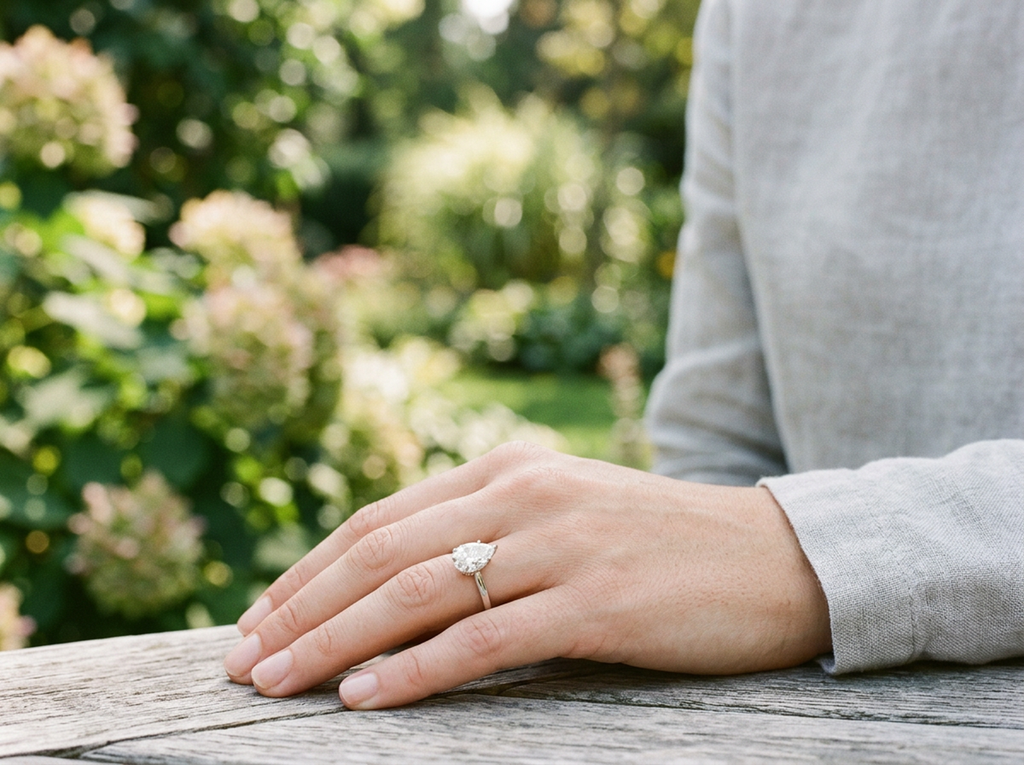
The classic solitaire setting allows the teardrop diamond to be the undisputed star, showcasing its elegant silhouette without distraction. A basket solitaire, with its supportive metal work beneath the stone, offers excellent security while maintaining a clean profile. For those seeking added sparkle, a halo setting, where the central diamond is encircled by smaller diamonds, can dramatically amplify the perceived size and brilliance of the pear shape. This design is particularly effective in making a smaller carat weight diamond appear much larger.
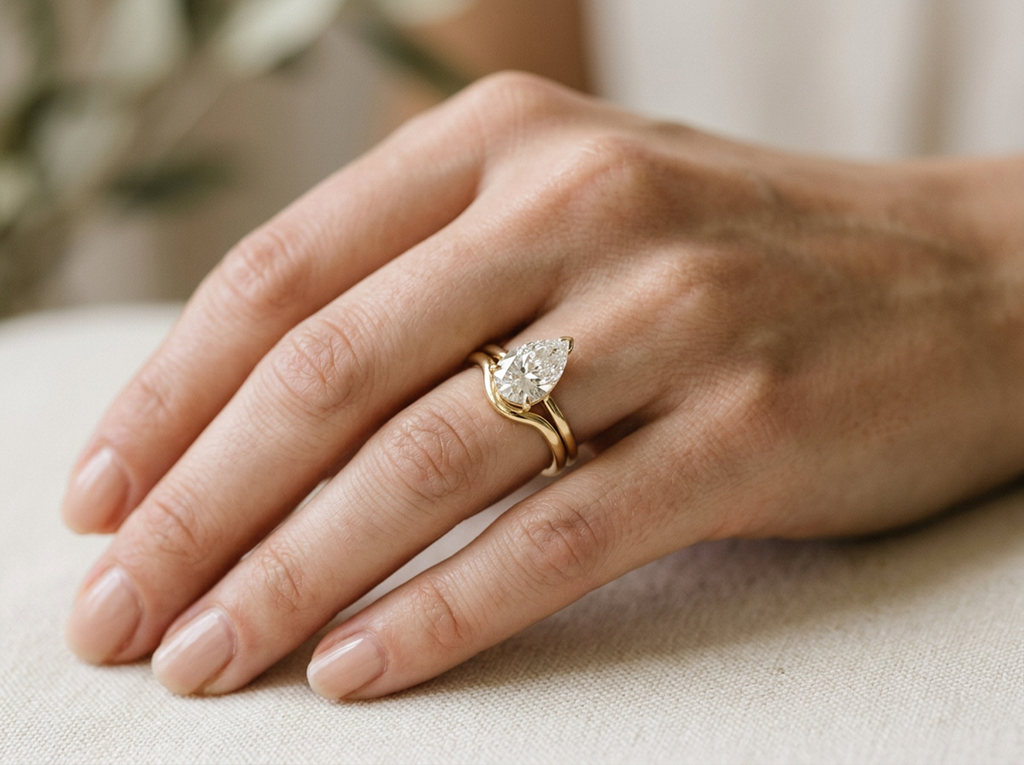
A more contemporary and increasingly popular choice for teardrop diamonds is the open bridge setting. This design allows the center stone to be set lower, closer to the finger, which is ideal for those who prefer a low-profile ring. Crucially, an open bridge design often permits a wedding band to sit completely flush against the engagement ring, avoiding the common gap that can occur with certain fancy-shaped diamonds. Another timeless option is the three-stone design, where the pear-shaped diamond is flanked by two smaller diamonds, often tapered baguettes or smaller pear shapes, creating a harmonious and balanced look.
Crafting Custom Settings for Luxury Diamond Imports
Customization offers an unparalleled opportunity to imbue your teardrop engagement ring with personal meaning and unique design elements. Beyond standard settings, we can explore a myriad of options to create a truly bespoke piece. A hidden halo, for instance, adds a subtle touch of sparkle visible only from the side, enhancing the diamond’s brilliance without altering its top-down appearance.
Prong styles are another area for personalization and critical for security. While classic round prongs are common, a V-prong tip is highly recommended for the delicate pointed end of a pear-shaped diamond. This specialized prong style cradles and protects the vulnerable tip from accidental chips or damage, ensuring the longevity of your cherished stone. We can also customize the number and style of prongs, from delicate claw prongs to more substantial flat prongs, each offering a different aesthetic. Band width is another customizable feature, ranging from a delicate 1.8mm for a minimalist look to a wider, more substantial band for added presence. Finally, the choice of metal—whether solid 14K gold (white, yellow, or rose) or platinum—will define the ring’s overall aesthetic and durability. Platinum, known for its strength and natural white luster, is an excellent choice for securing diamonds.
Here are some popular custom setting modifications for teardrop rings:
- Hidden Halo: A delicate ring of diamonds beneath the main stone, visible from the side.
- Custom Prong Styles: Options like claw prongs, flat prongs, or specialized V-prongs for tip protection.
- Engraving: Personal messages, dates, or symbols etched into the band.
- Milgrain Detailing: Tiny beaded edges that add a vintage touch.
- Mixed Metals: Combining different metal types for a unique contrast.
- Accent Stones: Adding side stones like tapered baguettes, rounds, or smaller pears.
- Band Width & Profile: Adjusting the band’s thickness and shape for comfort and style.
Wedding Band Pairing and Styling Techniques
Once you’ve chosen your exquisite teardrop engagement ring, the next step is often finding the perfect wedding band to complement it. This can sometimes present a unique challenge due to the pear shape’s distinct silhouette.
Contoured Bands and Stacking Combinations
The pointed tip and curved side of a pear-shaped diamond often mean that a straight wedding band will not sit flush against the engagement ring, leaving an unsightly gap. This is where contoured bands, also known as nesting rings, become invaluable. Designed with a soft, curved arc, these bands are crafted to perfectly hug the outline of your engagement ring, creating a seamless and harmonious pairing. They ensure a flush fit, allowing both rings to sit comfortably and beautifully together on the finger.
Beyond a single contoured band, many choose to create a symmetrical stack by pairing two contoured bands, one on either side of the engagement ring. This creates a balanced, organic look that beautifully frames the central diamond. Stacking rings, whether matching or contrasting, offer endless possibilities for personalization and allow you to evolve your bridal set over time. For example, a delicate solid 14K gold contour band can be paired with a diamond-studded band for added sparkle. The key is to find bands that complement the engagement ring’s metal type and overall style, ensuring a cohesive and elegant look.
Frequently Asked Questions About Teardrop Engagement Rings
We often encounter common questions from individuals exploring teardrop diamond engagement rings. Here, we address some of the most frequent inquiries to help clarify key aspects of this beautiful diamond shape.
What is the difference between a pear-shaped and a teardrop diamond?
This is a question we hear frequently, and the answer is quite simple: there is no difference. The terms “pear-shaped diamond” and “teardrop diamond” are used interchangeably to describe the same distinct diamond silhouette. Both refer to the elegant cut that features one rounded end tapering to a single point, resembling a pear fruit or a falling teardrop. The choice of terminology often comes down to personal preference or regional colloquialisms, but they both signify the same beautiful and romantic design aesthetic. So, whether you call it a pear cut or a teardrop, you’re referring to the same captivating stone.
How do open bridge settings benefit low-profile engagement rings?
Open bridge settings are a fantastic innovation for those who prefer their engagement ring to sit lower on the finger, offering a sleek, low-profile look. The primary benefit of an open bridge design is its ability to allow a wedding band to sit completely flush against the engagement ring. Traditionally, many fancy-shaped diamonds, including pear cuts, often create a gap when paired with a straight wedding band due to the shape of their setting or the diamond itself. The open bridge design addresses this by creating a space beneath the center stone, allowing the wedding band to slide underneath and sit snugly against the engagement ring. This not only creates a more cohesive and comfortable feel but also ensures that the band stacking looks intentional and elegant, without any awkward gaps.
What is the safest prong style for protecting a teardrop diamond tip?
The pointed tip of a teardrop diamond is its most vulnerable area, susceptible to chipping if struck incorrectly. Therefore, selecting the safest prong style is crucial for protecting your investment. We highly recommend a V-shaped prong, often referred to as a V-tip prong, for the pointed end of a pear-shaped diamond. This specialized prong is designed to encase and protect the delicate tip, distributing any impact across a broader surface area rather than concentrating it on the sharpest point. For the rounded end of the pear, standard round or claw prongs are typically sufficient. Ensuring overall prong symmetry and robust construction around the entire stone is also vital for stone security, preventing any movement or loss of the diamond.
Conclusion
The enduring elegance of teardrop diamond engagement rings lies in their unique blend of classic romance and modern sophistication. From their captivating visual impact and carat weight efficiency to the meticulous considerations of cut, color, and clarity, every aspect contributes to their timeless appeal. We’ve explored the diverse array of popular settings, such as the classic solitaire, the dazzling halo, and the innovative open bridge, each designed to highlight the diamond’s beauty and protect its delicate facets.
The opportunity for bespoke craftsmanship allows for truly personalized touches, from hidden halos to custom V-prongs that safeguard the stone’s vulnerable tip. Furthermore, understanding how to perfectly pair your teardrop ring with contoured wedding bands ensures a harmonious and comfortable stack for a lifetime of wear. As of August 2026, the pear-shaped diamond continues to be a top choice for those who seek a ring that is both distinctive and deeply meaningful. By focusing on ethical sourcing, precise diamond proportions, and thoughtful design, we believe you can find a piece of luxury diamond jewelry that not only symbolizes your love but also reflects your unique style for generations to come.