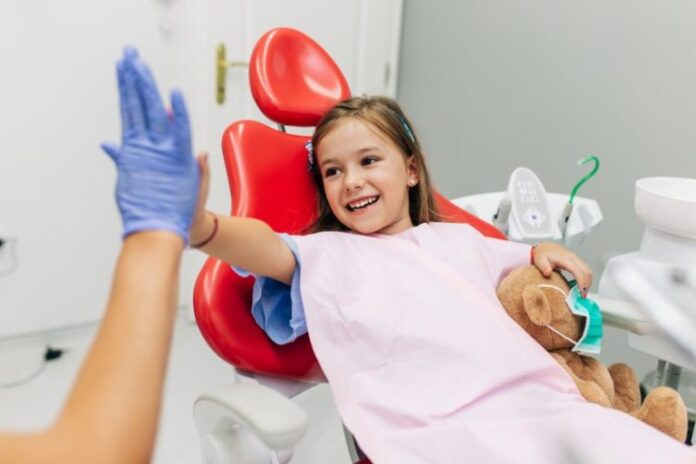

You might be feeling a bit guilty every time you schedule a cleaning, wondering what your dentist in Sunnyvale will find this time. Maybe there are always “a few spots we’ll watch,” or your child has already had a cavity and you are asking yourself what you missed at home. It can feel frustrating. You brush, you remind the kids, yet the warnings keep coming.end
Then you see other families who seem to breeze through checkups with no new problems, and you wonder what they know that you do not. Are they doing something special, or is it just luck and good genes.
The truth is, healthy teeth rarely come from luck. They usually come from a handful of small habits, repeated quietly, day after day. The good news is that those habits are simple, and you can start them at any age. In short, if you want healthier family smiles, you do not need perfection. You just need a steady routine that works with real life.
This guide walks through five habits that family dentists see in patients who tend to avoid major problems. You will see why they matter, how they play out in everyday family life, and what you can change starting this week.
Why do “healthy smiles” feel so hard to maintain for a busy family
Think about a typical weekday. You are rushing in the morning, trying to get everyone out the door. At night, you are tired, the kids are tired, and brushing can turn into a quick swipe instead of a careful routine. Because of all this, you might wonder how anyone manages consistent care at home.
The problem is not that you do not care. It is that daily life creates a gap between what you know you should do and what actually happens. In that gap, plaque builds, gums get irritated, and small cavities start to form long before they ever hurt.
Here is where it becomes stressful. Dental problems often stay silent until they are advanced. By the time you feel pain or see a dark spot, treatment is usually more involved and more expensive. A simple cavity can turn into a root canal. A bit of bleeding when you brush can turn into gum disease that affects your overall health.
Imagine this common scenario. Your teenager brushes quickly in the shower, never flosses, and snacks on sugary drinks during the day. They feel fine, so there is no urgency to change. At their next visit, the dentist finds three cavities. Now you are looking at missed school, missed work, and a bill you did not plan for. It is not that anyone meant to ignore their teeth. The small daily habits just were not there.
The solution is not to shame yourself or your kids. It is to put a simple structure in place so that healthy habits become the default, not the exception. That is exactly what family dentists try to teach during routine visits, because they know that what happens at home matters more than what happens in the chair.
What habits do family dentists see in patients with consistently healthy teeth
Family dentists tend to notice patterns. Families who rarely need major work usually share a few quiet habits. When you understand those, you can start to copy them at your own pace.
Habit 1. Brushing twice a day, the right way, not the rushed way
Most people brush. Fewer people brush well. Dentists recommend brushing twice a day for two minutes with a soft bristled toothbrush and fluoride toothpaste. The American Dental Association explains the basics of effective home care, including brushing technique and tools, in its guide to daily oral hygiene at home.
Where things break down is usually time and attention. Kids chew on the brush or skip areas. Adults rush and miss along the gumline. Over time, this leaves plaque behind, which hardens into tartar and irritates gums.
A small change that helps many families is using a timer. Some use a simple kitchen timer. Others use an electric toothbrush with a built in two minute timer. Turning brushing into a non negotiable two minute routine can dramatically improve how clean teeth stay between visits.
Habit 2. Daily flossing or cleaning between teeth
Ask any family dentist what most people skip, and the answer is almost always flossing. Yet almost half of the plaque in your mouth hides between teeth where brushes cannot reach. When that plaque sits, it feeds the bacteria that cause cavities and gum disease.
For adults, traditional floss or floss picks work. For kids or anyone who struggles with coordination, small interdental brushes or water flossers can be helpful. The key is consistency. Even once a day at night can make a meaningful difference.
Habit 3. Respecting sugar and acid, not just brushing more
Tooth decay is not only about how well you brush. It is also about what and how often you eat and drink. The National Institute of Dental and Craniofacial Research explains how tooth decay develops step by step in its overview of the tooth decay process.
Each time you sip a sugary drink or snack on simple carbs, bacteria in your mouth turn that sugar into acid. That acid softens enamel. If this happens many times a day, your teeth do not get a chance to recover, even if you brush.
Families who protect their teeth usually do two things. They limit sugary foods and drinks to mealtimes, and they rely on water between meals. That simple shift, from all day grazing to planned snacks and drinks, gives enamel time to repair itself.
Habit 4. Keeping regular checkups, even when nothing hurts
It is tempting to skip cleanings when everyone seems fine. Yet those “boring” visits are where many problems are caught early and kept small. Dentists remove hardened tartar, check for weak spots, and track changes over time.
For growing children, regular visits matter even more. Dentists can monitor jaw growth, crowding, and habits like thumb sucking or mouth breathing. Early guidance can prevent more serious issues later.
Habit 5. Making oral health a family value, not just a rule
Kids watch what adults do. In families where parents brush and floss in front of their children, talk calmly about teeth, and treat checkups as normal, kids tend to follow. In families where dental care is only mentioned when there is trouble, children may learn to fear or avoid it.
A small mindset shift helps. Instead of “You have to brush or the dentist will be mad,” try “We take care of our teeth so they stay strong for eating, smiling, and talking.” When oral care becomes part of how your family cares for your body, it feels less like a chore and more like self respect.
How do simple home habits compare to relying on treatment later
You might wonder if all this effort is worth it. After all, fillings and crowns are available. Why not just fix problems when they show up. The answer usually becomes clear when you compare what prevention looks like versus treatment after damage is done.
| Approach | Short term effort | Long term impact on health | Typical cost pattern | Emotional impact on family |
| Consistent home habits and regular cleanings | Few extra minutes each morning and night. Two checkups per year. | Fewer cavities and gum issues. Problems caught early and often simple to solve. | More predictable. Mostly cleanings and occasional small treatments. | Less fear of the dentist. Kids see visits as routine, not as punishment. |
| Minimal home care and “wait until it hurts” visits | Less daily effort, but more time off when problems appear. | Higher risk of advanced decay, infections, and extractions. | Spikes in cost for emergency visits, root canals, crowns, or dentures. | More anxiety and guilt. Children may associate the dentist with pain. |
When you see it side by side, you can understand why family dentists keep coming back to the same advice. A small daily habit is almost always easier and kinder than a big treatment later.
What can you start doing this week for healthier family smiles
If you feel behind, you are not alone. Many families start taking oral health more seriously only after a scare or a big bill. You can begin with a few simple steps that fit your current life and build from there.
1. Create a simple, shared brushing and flossing routine
Pick two “anchor times” that already happen every day, such as after breakfast and before bed. Attach brushing and flossing to those times for everyone in the household. Keep supplies visible and easy to reach. For young kids, brush together so they can copy you. For teens, consider an electric toothbrush and set a phone reminder at night. The goal is not perfection. It is a routine that happens almost every day without a big debate.
2. Adjust snacks and drinks in small, realistic ways
Look at what your family eats and drinks between meals. Choose one or two changes that feel possible right now. For example, switch from juice or soda between meals to water, or keep sticky sweets as a dessert instead of an all day snack. Even one change can lower the number of acid attacks on your teeth and support a healthier smile for everyone.
3. Schedule and keep your next preventive visit
If it has been a while since your last checkup, call your family dentist and get a cleaning on the calendar. If you already have one scheduled, treat it as a priority, not something to move unless truly necessary. Use that visit to ask specific questions. For example, ask where you or your child tend to miss when brushing, or whether sealants, fluoride treatments, or other preventive options make sense for your family.
Moving forward with more confidence about your family’s oral health
Caring for teeth should not feel like a constant crisis. When you put a few habits in place and keep regular contact with a trusted family dental provider, you give yourself room to breathe. Problems may still come up, but they are more likely to be small, manageable, and less frightening for everyone involved.
You do not need to change everything overnight. Choose one habit from above, start it this week, and give your family time to adjust. Each small step is a quiet investment in more confident smiles, more comfortable visits, and a future with fewer dental surprises.