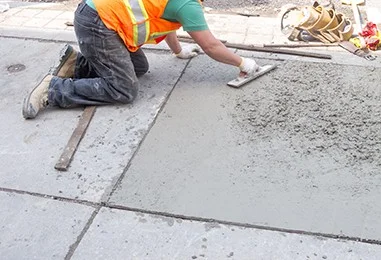

A new concrete patio is an exciting addition to any backyard. It offers a durable, stylish foundation for summer barbecues, evening relaxation, and family gatherings. However, pouring concrete is a permanent commitment. Once the wet mix cures and hardens into solid rock, fixing any underlying issues becomes a massive headache that can easily drain your wallet, notes RENTit Colorado experts.
Many homeowners dive into backyard renovations with enthusiasm but gloss over the foundational steps required for a successful concrete pour. Concrete might seem indestructible, but it is heavily dependent on the ground beneath it and the preparation steps taken before the cement truck ever arrives.
Understanding what proper prep looks like is the key to unlocking a flawless, long-lasting outdoor entertainment space that saves you from the frustration and immense cost of premature cracking, shifting, or sinking. To help you protect your investment, we have outlined the most expensive errors people make during the planning and preparation phases of a new patio project.
Ignoring the Soil Compaction Phase
The ground beneath your patio is the most critical element of the entire project. Soil naturally shifts, settles, and expands depending on moisture levels and temperature changes. If you pour heavy concrete directly over loose or uncompacted dirt, the weight will eventually cause the soil to compress unevenly.
This uneven settling leads to stress fractures across the surface of your patio. Over time, those hairline fractures widen into massive cracks that ruin the aesthetic and structural integrity of the slab. Renting a plate compactor and spending the time to thoroughly tamp down the dirt is an absolute necessity. Skipping this step might save you a few hours on a Saturday, but it will cost you thousands of dollars in replacement costs a few years down the line.
Skimping on the Gravel Base
Concrete needs a buffer between it and the native soil. A proper sub-base allows for groundwater drainage and provides a stable, flat surface for the concrete to rest upon. A common error is using too little base material, or worse, using the wrong type entirely.
A high-quality gravel base, typically made of crushed stone, should be spread evenly and compacted tightly. This layer acts as a shock absorber during freeze-thaw cycles. When water in the ground freezes and expands, the gravel base provides room for that expansion without pushing directly against the concrete slab above it. Failing to install an adequate gravel base virtually guarantees that your patio will heave and crack during the first harsh winter.
Failing to Plan for Water Drainage
Water is the natural enemy of any concrete structure. If rainwater pools on the surface of your patio or collects around the edges, it will eventually degrade the material and erode the supportive base underneath.
When setting up the wooden formwork for your patio, you must incorporate a slight slope away from your home’s foundation. A standard rule of thumb is a drop of one-quarter inch for every foot of distance. This subtle pitch is invisible to the naked eye but ensures that rainwater naturally flows off the surface and into your yard. If you pour a perfectly level patio, water will stagnate, leading to discoloration, structural damage, and potential water intrusion into your basement.
Disregarding Steel Reinforcements
Concrete has immense compressive strength, meaning it can hold a tremendous amount of weight pressing down on it. However, it has very low tensile strength, meaning it is easily pulled apart by shifting ground or extreme temperature fluctuations.
To counteract this, your patio needs reinforcement. Placing steel rebar or wire mesh grid inside the wooden forms before pouring holds the slab together. If a crack does eventually form—which is a natural occurrence in all concrete over long periods—the steel reinforcement keeps the pieces tightly locked together rather than drifting apart and creating tripping hazards. Leaving out rebar to save a little bit of money upfront is a classic mistake that significantly reduces the lifespan of your patio.
Rushing the Formwork and Measurements
The wooden forms you build dictate the final shape, thickness, and layout of your patio. A common homeowner mistake is rushing through the measurement and framing process, using flimsy wood, or failing to secure the stakes deep into the ground.
Wet concrete is incredibly heavy and exerts massive outward pressure as it is poured. If your forms are weak or improperly staked, the weight of the concrete will cause the wood to bow or blow out entirely. This results in wavy edges, wasted material, and a patio that looks incredibly unprofessional. Taking the time to build strong, perfectly squared forms ensures a crisp, clean finish.
Protect Your Outdoor Investment
Building a concrete patio is a major undertaking that requires patience, precision, and a deep understanding of materials. While tackling backyard projects can be highly rewarding, concrete work leaves very little room for error. A minor miscalculation in the base preparation or formwork can lead to devastating aesthetic and structural failures that are incredibly costly to reverse.
For a patio that remains beautiful, level, and crack-free for decades, the smartest choice is often partnering with experienced professionals who know exactly how to navigate these common pitfalls. If you are ready to transform your backyard with confidence, the team at Crystal Creek Concrete is here to help you execute your vision perfectly from the ground up.