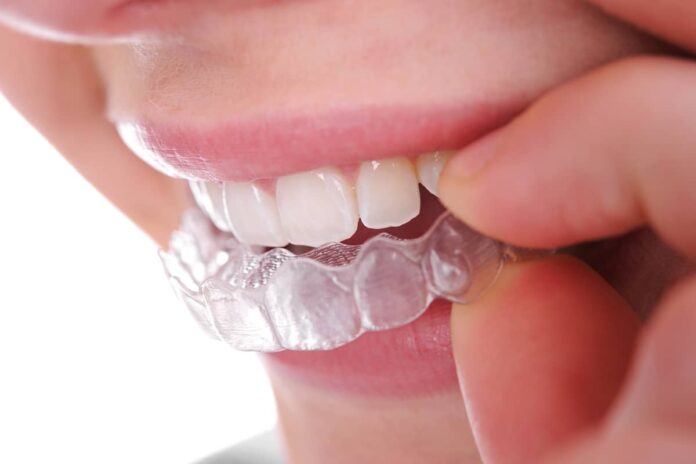

Clear aligners can straighten your teeth without metal brackets, but only if you keep them clean and clear. Cloudy trays, bad breath, and stains can creep in fast. They can slow treatment and hurt your confidence. You deserve better than that. This guide gives you four simple habits that protect your aligners and your mouth. You will learn how to rinse, brush, store, and handle your trays so they stay clear and nearly invisible. You will also see when home care is not enough and when you need help from a dentist in Cumberland ga. These steps fit into your day and do not require special tools. They only require consistency and a little attention. When you care for your aligners, you protect your gums, your teeth, and your investment. You also stay on track for the straight, clean smile you want.
Why clear aligner hygiene matters
Clear aligners sit over your teeth for many hours each day. Food, sugar, and germs can collect under and on the trays. That mix can cause:
- Bad breath
- Stains on teeth and trays
- Tooth decay and gum infection
The Centers for Disease Control and Prevention explains that bacteria in plaque cause cavities and gum disease. Clear aligners can trap that plaque close to your teeth. Strong cleaning habits keep your mouth healthy while your teeth move.
Tip 1: Rinse trays every time you remove them
First, rinse your aligners under cool running water whenever you take them out. This quick step washes away saliva and loose debris before it can dry on the trays.
Follow this routine:
- Remove aligners
- Rinse both sides with cool water
- Place them in a clean case if you are eating
Never use hot water. High heat can change the shape of the plastic and affect how the trays fit.
Do not wrap aligners in a napkin. Many trays end up in the trash that way. A case protects them from damage and from germs on tables or counters.
Tip 2: Brush trays gently, not harshly
Second, clean your aligners with a soft toothbrush at least twice a day. Morning and night work best. You can also brush them after meals if you can.
Use this method:
- Use a separate soft toothbrush just for your trays
- Rinse aligners with cool water
- Brush inside and outside with gentle pressure
- Rinse again until the water runs clear
Use clear, mild soap if your dentist says it is safe. Do not use whitening toothpaste or harsh cleaners. These can scratch the plastic. Scratches make trays look cloudy and give germs more places to hide.
The American Dental Association stresses the value of soft brushes for teeth. The same rule protects aligners.
Tip 3: Keep aligners out of food and drink
Third, remove your aligners every time you eat or drink anything that is not plain water. Food and colored drinks stain trays and feed the germs that cause decay.
Use this pattern:
- Take aligners out before each meal or snack
- Rinse them and place them in the case
- Brush and floss your teeth after eating
- Rinse aligners again and put them back in
Even clear drinks with sugar can cause problems. Sports drinks, soda, juice, and sweetened coffee trap sugar under the trays. That sugar sits on your teeth until you clean it off. Over time, that can create white spots and cavities.
Tip 4: Store aligners safely and replace on schedule
Fourth, keep your trays in a sturdy case any time they are not in your mouth. Proper storage keeps them clean and prevents loss or damage.
Follow these steps:
- Use the case your dentist gave you
- Clean the case with soap and water each day
- Let the case air dry with the lid open when empty
Also, change to the next set of trays on the schedule your dentist gives you. Old aligners collect stains and tiny scratches over time. Fresh trays stay clearer and work as planned.
Quick comparison: Strong vs weak aligner care
| Habit | Strong care | Weak care | Likely result |
| Rinsing | Rinse every time you remove trays | Rare rinsing | Cloudy trays and stronger odor |
| Brushing trays | Soft brush twice a day | No brushing or harsh scrubbing | Scratches, stains, and more germs |
| Eating and drinking | Remove trays for all food and drinks | Snack and sip with trays in | Higher risk of decay and yellow trays |
| Storage | Case used every time | Trays in pockets or napkins | Lost, broken, or dirty trays |
Signs your aligners need professional help
Sometimes home care is not enough. Call your dental office if you notice:
- Strong smell even after cleaning
- White, green, or dark buildup that does not brush off
- Cracks or rough edges
- Sudden pain or bleeding gums
These signs can point to infection or problems with the fit of the trays. A dentist can clean or replace aligners and check your gums and teeth for damage.
Make clear aligner care part of your routine
You can protect your smile with three daily goals.
- Keep trays clean with rinsing and gentle brushing
- Keep teeth clean with regular brushing and flossing
- Keep up with dental visits and your tray schedule
Strong habits turn into automatic steps over time. With steady care, your aligners stay clear. Your mouth stays healthier. Your path to a straighter smile stays on track.