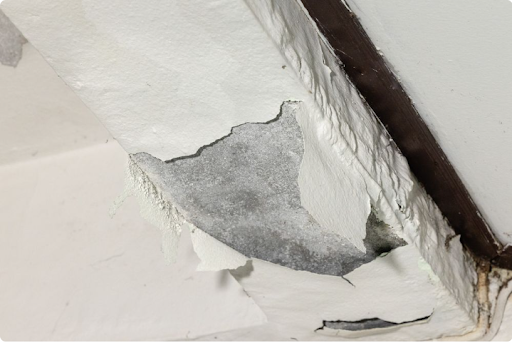

If your home sits on a concrete slab, some of its water lines run under or through that concrete. When one of them cracks, you won’t see a drip under the sink.
The water soaks into the soil and the slab, sometimes for weeks. San Antonio homeowners run into this more than they’d like, and the ground itself is a big reason why.
The Clay Under San Antonio Keeps Moving
Much of Central Texas, San Antonio included, sits on clay soil that swells when it gets wet and shrinks when it dries out. Geologists call these shrink-swell clays.
Our weather pushes that cycle hard. Long dry spells pull moisture out of the ground, then a heavy storm soaks it all at once.
Each swing nudges the slab a little. Over years, that movement strains rigid pipes locked in or under the concrete, especially at joints and bends.
Other Things That Put Pressure on Under-Slab Pipes
High Water Pressure
The San Antonio Water System (SAWS) says pressure in its service area can range from 35 to 175 pounds. For homes with a water softener or sprinkler system, SAWS recommends a maximum of 80.
Pressure on the high end wears on pipes and fittings around the clock. A plumber can test yours and add a pressure regulator if it runs high.
Aging Plumbing
Older homes may still have original supply lines that have flexed with the soil for decades. Worn joints and corrosion make them more likely to give way.
Big Trees Near the Foundation
Large trees pull moisture from the soil around their roots. That can make one side of a slab dry out and move differently than the other.
Early Warning Signs Worth Checking
- A water bill that jumps with no change in your habits
- Warm spots on the floor, which can point to a hot water line leak
- The sound of running water when everything is off
- Damp carpet, cupped wood floors, or a musty smell with no clear source
- New cracks in tile, flooring, or drywall
- A water heater that seems to run all the time
- Weaker water pressure at your fixtures
Andy Sparkman, who owns Lightspeed Restoration of San Antonio North, puts it plainly. “People expect a puddle. What they usually get is a strange water bill or a floor that feels warm under bare feet. By then the water has been going into the slab for a while, so the sooner you test, the less there is to dry out.”
A Five-Minute Meter Test
Turn off every faucet and water-using appliance, inside and out. Then go look at your water meter.
On SAWS electronic meters, the Flow Rate screen should read all zeros when no water is in use. Anything else means water is going somewhere on your property.
For a closer check, write down the total volume reading, keep all water off for an hour and read it again. A higher number confirms a leak. SAWS walks through each step in its guide to reading your water meter for leaks.
Why Waiting Costs More
SAWS estimates about 2.5 billion gallons of water were lost to plumbing leaks in San Antonio homes and yards in 2025. A slow slab leak adds to your bill every month it runs.
The higher cost is what the water does. Wet soil under a slab can shift, and moisture wicking into floors and walls gives mold a place to grow.
SAWS is responsible for the line from the main to your meter. Everything from the meter toward your house is yours to repair, so keep your receipts if you plan to ask SAWS for a leak adjustment.
What to Do if You Suspect a Leak
- Run the meter test and note what you see
- Shut off water at the main if the flow is heavy
- Call a licensed plumber with electronic leak detection, so the leak is pinpointed before anyone breaks concrete
- Photograph any damage, keep repair receipts, and request written estimates for the restoration work
- Once the pipe is fixed, have the floors and walls around it checked with a moisture meter
Slab leaks are common here, but most of the damage comes from finding them late. A quick meter check a few times a year is one of the cheapest habits a San Antonio homeowner can keep.