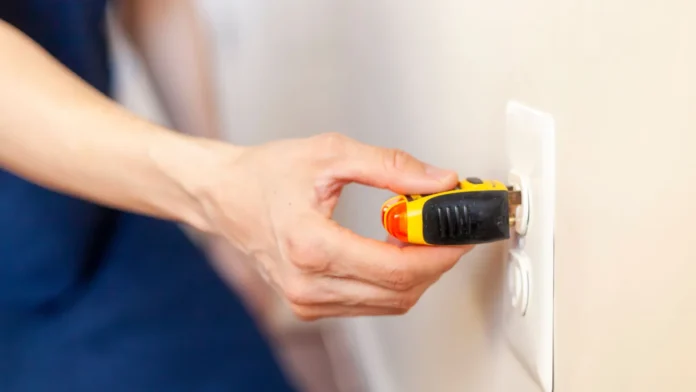

An outlet that feels warm to the touch should never be ignored. While some plugged-in devices may create mild heat, the outlet itself should not become noticeably warm, hot, discolored, or carry a burning smell. Warm outlets can indicate overloaded circuits, loose wiring, damaged receptacles, aging connections, or devices drawing more power than the outlet can safely handle. These problems may remain hidden behind the wall until they become more serious. An electrician can inspect the outlet, identify the cause, and reduce the risk of electrical damage, shock hazards, or fire.
Heat Means Something Needs Attention
- Loose Wiring Can Create Dangerous Heat
One major reason an electrician should inspect a warm outlet is the possibility of loose wiring behind the wall plate. Electrical current needs a secure path to move safely through the circuit. When wires are loose at the terminal screws, backstab connections, or internal outlet contacts, resistance can increase. That resistance creates heat, which may spread to the outlet face, wall plate, or nearby wiring. A homeowner may only notice warmth at first, but the connection can continue to weaken each time the outlet is used. Someone searching for an Electrician in Delaware County, PA may be dealing with this type of warning sign before it turns into a larger electrical issue. An electrician can safely remove the cover, test the circuit, inspect the wiring, and replace damaged parts if needed. This matters because loose electrical connections can arc, scorch insulation, and create risks inside the wall where the homeowner cannot see the damage developing.
- Overloaded Circuits Can Stress the Outlet
Warm outlets can also happen when too many devices draw power from the same circuit. This is common in older homes, home offices, bedrooms, kitchens, garages, and entertainment areas where several devices may be plugged into power strips or adapters. Space heaters, microwaves, hair dryers, gaming systems, computers, and chargers can all add demand. When the circuit is overloaded, the outlet may heat up as it struggles to handle the load. An electrician can determine whether the outlet is on an overloaded circuit or whether the device being used requires a different power configuration. They can also check breaker size, wire capacity, outlet rating, and any signs of overheating. This inspection helps prevent repeated tripping, melted plugs, damaged wiring, and unsafe use of extension cords. If a room consistently needs more power than its current wiring can provide, an electrician can recommend safer circuit improvements.
- Damaged Outlets May Not Hold Plugs Securely
An outlet that feels warm may be worn out or damaged inside. Over time, the internal metal contacts can loosen, making plugs fit poorly or fall out easily. A loose plug connection can cause small gaps where electrical current does not flow smoothly, creating heat and possible arcing. This is especially concerning when the outlet is used often, such as in kitchens, living rooms, laundry areas, or near desks. Visible signs may include dark marks, a cracked faceplate, buzzing sounds, flickering connected devices, or a plug that feels hot when removed. An electrician can inspect the receptacle itself to determine whether it is failing and replace it with the correct outlet type for the location. This may include a grounded outlet, GFCI protection, AFCI protection, or a higher-rated receptacle where code and circuit conditions allow. Replacing a worn outlet is a small repair compared with the risk of allowing heat to continue building in a weakened connection.
- Older Homes May Have Outdated Electrical Conditions
Older homes can have wiring and outlet conditions that make heat more of a concern. Some houses may still have aging wiring, ungrounded outlets, aluminum branch wiring, outdated panels, or circuits that were not designed for today’s electrical use. Modern households often rely on more devices than older wiring layouts were designed for, which can place stress on outlets and circuits. An electrician can determine whether the warm outlet is a single isolated problem or part of a broader electrical issue. They may check nearby outlets, junction boxes, grounding, breaker condition, and signs of past repairs. This is important because homeowners may not know whether previous work was done correctly. A warm outlet can be the first visible clue that a circuit needs repair, replacement, or added protection. Addressing the issue early helps protect the home from hidden heat damage and makes daily electrical use safer for appliances, electronics, lighting, and charging equipment.
- Heat Near Moisture Areas Needs Fast Inspection
Warm outlets near kitchens, bathrooms, laundry rooms, basements, garages, or outdoor areas warrant prompt attention because moisture and electricity pose an added risk. These locations often require GFCI protection to reduce the risk of electric shock. If an outlet near water feels warm, an electrician can check whether the receptacle is properly protected, whether moisture has reached the wiring, and whether corrosion is affecting the connection. Corroded terminals can increase resistance, which may create heat during use. In garages or outdoor areas, temperature changes, humidity, pests, and dust can also affect the condition of outlets. An electrician can test the outlet, inspect the box, check for water entry, and confirm that the right safety protection is installed. This inspection is important for preventing shock risks and reducing damage to connected tools, appliances, or outdoor equipment. Any warmth, odor, crackling sound, or discoloration near a moisture-prone outlet should be treated as a serious warning sign.
Warm Outlets Need Prompt Electrical Care
An outlet that feels warm can indicate loose wiring, overload, internal wear, outdated electrical conditions, or moisture-related damage. These problems can worsen behind walls before visible signs appear. Calling an electrician allows the outlet, wiring, breaker, and circuit load to be checked safely and correctly. Prompt inspection helps reduce the risk of overheating, arcing, electric shock, device damage, and fire. Homeowners should avoid using a warm outlet until it has been evaluated. A simple service call can prevent a hidden electrical problem from becoming a costly and dangerous emergency.