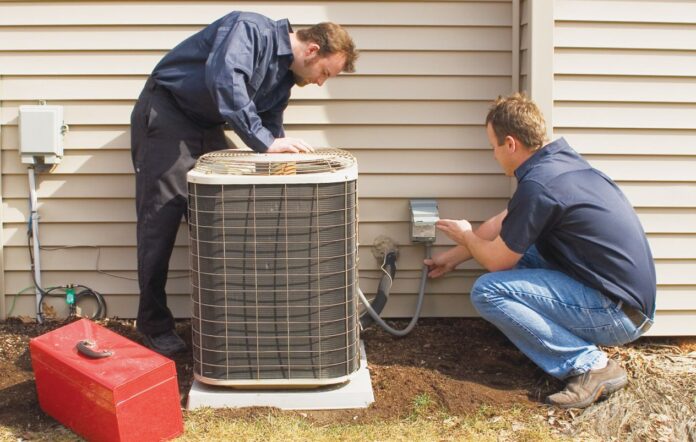

Home energy updates often sound simple in theory. Better insulation, tighter sealing, upgraded windows, and similar improvements are supposed to make the house more comfortable and reduce wasted heating or cooling. Yet many homeowners discover that once those changes are finished, the home may feel different in ways they did not expect. Some rooms become stuffy, others feel harder to cool, and airflow no longer seems as even as it once did. That is why an HVAC contractor matters. Efficiency upgrades can improve the building shell, but the air distribution inside the home still needs to function properly under those new conditions.
Why balance shifts
- Energy improvements can change airflow faster than homeowners expect
One of the biggest reasons an HVAC contractor matters after home energy updates is that the house may no longer behave the way it did before the work was done. Air moves through a home according to pressure, resistance, leakage, and the paths conditioned air takes as it enters and leaves each room. When insulation is added, leaks are sealed, or windows are upgraded, the building envelope changes. That sounds positive, but it can also expose airflow imbalances that were hidden when the house was leakier and less controlled. In some homes, people only notice these shifts after the upgrade is complete, whether they are in colder climates or in places like 702 PlumbAIR, where heat gain and indoor comfort patterns still depend heavily on how air circulates. What felt like a simple efficiency improvement can suddenly turn into a comfort problem because the HVAC system is now working inside a home that holds air differently than it did before.
- An HVAC contractor helps connect new comfort issues to their real causes.
Homeowners often assume that once energy updates are complete, any remaining comfort issue must come from the thermostat or from the weather outside. That is not always true. A room that feels stale, warm, or under-conditioned after efficiency work may be reacting to pressure changes, weak return airflow, duct leakage, or equipment settings that no longer match the tighter structure. An HVAC contractor matters because these problems can seem confusing from the homeowner’s perspective. The system may still run, the vents may still blow, and the home may still be more efficient than before, yet the lived experience can feel less comfortable in daily use. A contractor can identify whether the issue comes from reduced air exchange, poor duct balance, uneven supply delivery, or a system that now cycles differently because the house retains heat longer. That kind of diagnosis is important because many homeowners keep adjusting the thermostat when the real issue is that the improved home now needs a different airflow strategy than it had before the upgrade work took place.
- Tighter homes often reveal room-to-room differences more clearly.
Another reason an HVAC contractor matters is that home energy updates often make room-to-room comfort differences more noticeable instead of less. Before the work, air leakage may have been wasting energy, but it may also have masked certain imbalances by allowing uncontrolled movement between rooms and the outdoors. Once the home becomes tighter, those hidden differences can show up more clearly. A back bedroom may start feeling stuffier. An upstairs office may hold more heat. A family room may stay comfortable while nearby spaces feel slow to recover after the system turns on. These changes matter because homeowners usually invest in efficiency upgrades to improve comfort and performance. When some rooms feel more difficult after the work is done, frustration rises quickly. An HVAC contractor can help determine whether the problem stems from insufficient return paths, weak supply airflow, or a system layout that no longer matches how the improved building envelope is holding heat and cooled air. That kind of evaluation helps explain why a more efficient home can still feel less balanced than expected.
- Ductwork and return air matter more after the house changes
Energy updates often focus on the walls, attic, windows, and exterior shell, but airflow problems are usually carried through the duct system and return-air paths. That is why an HVAC contractor becomes so important after home efficiency work. If the duct layout was already marginal, better insulation or tighter sealing can make that weakness more obvious. A room may receive conditioned air, but if the return path is weak, the space may still feel stagnant. If supply ducts are leaking or poorly balanced, the system may struggle to distribute comfort evenly, even though the house now holds temperature longer. This matters because energy improvements do not automatically correct distribution problems.
In some cases, they make them easier to feel. A contractor can assess whether dampers, duct condition, return placement, and airflow volume still make sense now that the house is functioning under different pressure and heat-retention conditions. Without that step, homeowners may assume the energy project failed when the deeper issue is that the air system was never adjusted to support the updated structure around it.
- A more efficient home still needs a matched comfort system.
One of the most practical reasons an HVAC contractor matters is that home energy improvements can change the relationship between the house and the equipment. If the building shell now holds conditioned air better, the HVAC system may cycle differently, respond faster in some areas, and leave others behind if airflow is not balanced. The goal is not only to save energy. It is to make sure the home feels more stable and easier to live in after the upgrades are complete. That requires looking at comfort as a whole-house system, not as isolated improvements made one by one. An HVAC contractor helps bridge that gap. Instead of letting the efficiency project stop at the walls and windows, the contractor helps make sure the conditioned air itself is still reaching the right places in the right way. That support turns an energy update into a more comprehensive comfort improvement, rather than a project that reduces leakage while making daily living patterns harder to manage.
Better efficiency still needs better airflow.
An HVAC contractor matters when home energy updates create new airflow challenges because the house and the air system have to work together after the improvements are made. Tighter construction, better insulation, and improved windows can all change how the home holds heat and how air moves from room to room. When that new balance is off, comfort problems become more noticeable even though the house may be more efficient overall. A contractor helps identify why the airflow changed, what the updated structure now needs, and how to make comfort match the promise of the energy improvements. Efficiency works better when the air works with it.