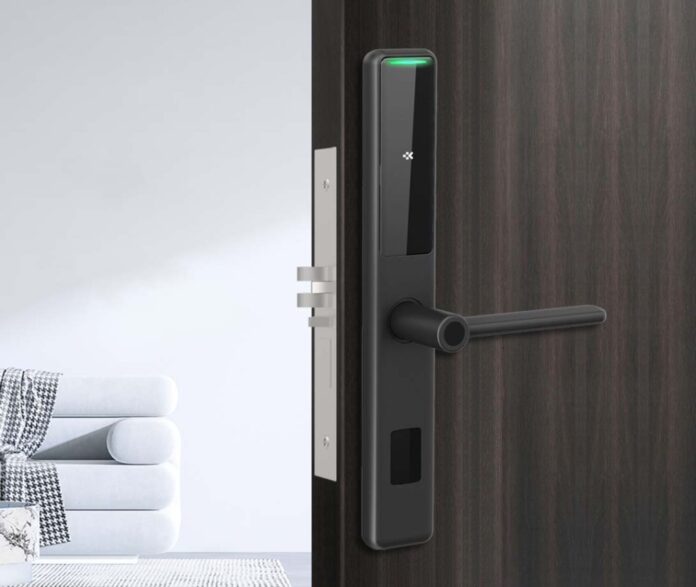

Buying a new door used to be mostly about style, durability, and how well it matched the front of the home. Today, the decision often extends further because many homeowners also want smart lock features that enable keyless entry, remote access, and greater day-to-day convenience. That shift means the door itself matters more than people sometimes realize. A smart lock can only work properly when the door is built, prepared, and fitted in a way that supports its hardware and function. That is why a door supplier matters. The right guidance helps homeowners choose a door that meets both aesthetic preferences and modern access needs.
Smart Lock Choices Matter
- Door Compatibility Affects More Than Hardware Installation
When smart lock compatibility becomes part of the buying process, the door can no longer be treated as a simple background piece. The thickness of the slab, the borehole preparation, the backset alignment, the material strength around the lock area, and the overall door construction all influence how smoothly a smart lock can be installed and how well it performs afterward. A door supplier matters because these details often determine whether the homeowner gets a clean installation or a frustrating mismatch that affects locking, closing, or long-term reliability. A door may look attractive in a showroom or online photo, but if it does not support the lock type the homeowner wants, the finished entry can become harder to use than expected. That is important because smart lock performance depends on fit and alignment just as much as on the technology itself. Choosing a door without considering those factors can lead to modifications, appearance issues, or reduced confidence in the finished setup once the hardware is attached and the door is tested in daily use.
- A Supplier Helps Connect Door Design With Technology Goals
Many homeowners begin the process focused on the lock they want, only to discover that the door choice determines whether that lock will feel like a smooth upgrade or a compromise. A door supplier helps by connecting the design side of the purchase with the practical requirements of smart entry hardware. This includes considering door material, panel style, glass placement, frame condition, and the available space for the lock body and related hardware. At that stage, some homeowners may also compare resources such as https://tuckerdoorandwindow.com/ to understand how door selection and smart lock planning fit together before anything is ordered. That kind of research matters because homeowners are not only buying a lock-ready product. They are choosing the main structure that the smart hardware must rely on every day. If the door does not match the lock’s dimensions or operating requirements, even a popular smart lock can become less convenient. A supplier helps reduce that risk by guiding the purchase toward a door that works with the intended hardware, rather than forcing the technology to adapt to a poor fit after the fact.
- Material and Construction Influence Everyday Performance
Smart lock compatibility is not only about whether the hardware can be attached to the door on installation day. It also affects how the entry performs over time as the door opens and closes, shifts slightly with the weather, and withstands repeated use. A door supplier matters because material and construction play a significant role in whether a smart lock continues to operate smoothly after the initial purchase. Solid wood, fiberglass, steel, and other door types each behave differently, and those differences can influence stability around the lock area and the overall consistency of the entry system. If a door swells, shifts, or closes unevenly, the smart lock may struggle with alignment or latching even if the electronics themselves are working properly. That is why homeowners benefit from thinking beyond appearance alone. A door that looks good but does not provide adequate support for modern locking hardware can create minor frustrations that add up over time. Supplier guidance helps homeowners consider how door construction, weather exposure, and everyday use may affect the lock they plan to use, leading to a more practical and dependable entry decision.
- Door Buying Decisions Now Involve Function as Well as Style
Front doors still play a strong visual role, but smart lock compatibility has changed what many homeowners need from the buying process. The door must now support not only curb appeal but also access habits, household routines, and the practical demands of digital hardware. A door supplier matters because they help buyers balance these priorities without letting one completely overshadow the other. A homeowner may love the look of a decorative door. Still, if the design creates challenges with lock placement or limits compatibility with preferred hardware, the choice may not serve the home as well as expected.
On the other hand, selecting a door based only on lock fit can leave the home with an entry that feels plain or disconnected from the rest of the property. Guidance helps bridge that gap. The result is a door choice that respects both function and appearance. This matters more than ever because the front entry has become a point where architecture and technology meet. Homeowners want that connection to feel intentional, not patched together after separate decisions were made without considering how closely the two parts depend on each other.
Better Compatibility Creates a Better Entry Experience
A door supplier matters when smart lock compatibility shapes door-buying decisions, because the door is no longer just a surface for hardware. It is a structural part of how modern entry technology functions every day. When homeowners choose a door with compatibility in mind, they improve the chances of a smoother installation, more consistent lock performance, and a finished entry that supports both design and convenience. That guidance can help reduce mismatches, protect long-term usability, and make the purchase feel more connected to real household needs. As smart locks become more common, door selection is an increasingly important part of building a reliable and comfortable entry experience.