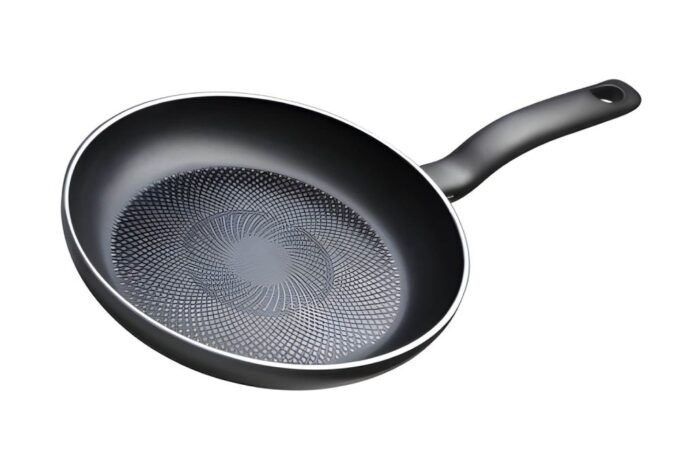

Millions of Bangladeshi households are rapidly replacing traditional aluminum pans with modern non-stick cookware to enjoy oil-free cooking, lower health risks, and effortless cleaning.
Driven by a massive rise in health awareness and fast-paced urban lifestyles, families find that updating their kitchen tools reduces daily stress and saves money.
High-quality local options like Topper Nonstick cookware by RFL are leading this national shift by offering food-grade, PFOA-free safety and deep fuel savings.
For years, cooking in traditional pots meant using large amounts of mustard or soybean oil just to stop food from burning and sticking to the pan. Scrubbing those stubborn, blackened pans afterward was a daily headache. In 2026, the story is completely changing. From bustling apartments in Dhaka to cozy homes in rural areas, kitchens across Bangladesh are getting a colorful upgrade.
This complete guide breaks down exactly why this kitchen upgrade is sweeping the country and how it can benefit your home today.
What is Driving the Non-Stick Cookware Boom in Bangladesh?
The sudden rise in non-stick cookware sales is caused by families prioritizing better health, quicker cleaning, and lower monthly grocery bills. Modern non-stick surfaces allow people to cook traditional meals with just a tiny amount of oil, perfectly aligning with today’s focus on healthy living.
According to a comprehensive industry study on the global non-stick cookware market, growing health awareness and the global trend toward lower oil consumption are driving a massive shift in how households choose their kitchen tools. In Bangladesh, this shift is moving incredibly fast.
Millions of non-stick frying pans and tawas are now sold annually, proving that this is no longer a luxury; it is a daily necessity.
How Does Non-Stick Cookware Protect Your Family’s Health?
Non-stick cookware protects your family by reducing the amount of fat in your food and keeping harmful chemical toxins out of your meals. High-quality pans ensure that your everyday dishes are safe to eat and easy on the stomach.
Think about our favorite traditional dishes like bhuna gush (beef curry) or fried fish. Traditional metal pans demand layers of oil to keep the food moving. High oil intake is linked to heart issues and weight gain. Non-stick coatings allow food to slide around effortlessly with less oil.
Older non-stick pans use a chemical called PFOA, which can be harmful to your body.
Today, trusted local choices like Topper Nonstick cookware by RFL are certified 100% PFOA, lead, and cadmium-free. This guarantees that no toxic substances melt into your hot rice or curries.
| Traditional Cookware Problems | Modern Non-Stick Benefits |
| Requires massive amounts of oil | Saves up to 60% of cooking oil |
| Food burns and sticks easily | Food slides right off the surface |
| Heavy scrubbing causes scratches | Cleans gently with a simple sponge |
| Risk of chemical contamination | Safe, food-grade aluminum bases |
Why is Cleaning Non-Stick Pots So Effortless?
Cleaning non-stick pans is easy because food does not burn or bind to the surface. A simple rinse with warm water and soft dish soap removes all food residue in seconds, completely eliminating the need for hard scrubbing.
We all know the exhaustion of facing a sink full of oily pots after a big family dinner. Scrubbing stuck-on food with harsh steel wool takes time and ruins your hands.
Because of the slick coating on modern pans, nothing gets stuck. Cleaning becomes a quick, three-second task. This is a lifesaver for busy, working parents who want to spend less time washing dishes and more time relaxing with their children.
Can Switching to Non-Stick Cookware Save You Money?
Yes, non-stick cookware saves money by lowering your monthly oil purchases and reducing your gas or electricity bills. These pans distribute heat quickly and evenly, allowing food to cook much faster on lower flames.
Cooking oil prices can fluctuate, straining a family’s budget. By cutting your oil use in half, a single bottle lasts twice as long.
Additionally, these pans are crafted from premium food-grade aluminum, which conducts heat beautifully. Your food cooks evenly from all sides, reducing your cooking time and cutting down on your monthly LPG gas cylinder or prepaid electricity costs.
Quick Tips to Make Your Non-Stick Cookware Last for Years:
- Ditch the Metal Spoons: Always use wooden, silicone, or plastic spoons. Sharp metal spoons will scratch and ruin the protective coating.
- Avoid High Heat: Cook on low to medium flames. Extreme heat can weaken the non-stick surface over time.
- Skip the Steel Wool: Wash your pan using a soft foam sponge. Hard steel scrubbers will strip the coating away.
- Never Pour Cold Water on a Hot Pan: Let the pan cool down completely before washing it to prevent warping.
Finding the Perfect Non-Stick Pan for Your Kitchen
Making the switch does not mean you have to buy expensive, imported items. Bangladeshi manufacturing has advanced dramatically. Local options offer world-class quality at prices that fit everyday household budgets.
When shopping, look for a pan that fits your specific daily needs. A 26 cm flat tawa is perfect for making morning rutis and parathas without tears.
For deep frying, a deep wok or karahi works best, while a casserole pot with a clear glass lid is ideal for simmering rich curries and keeping the moisture locked in. Investing in a trusted, food-grade brand ensures your family stays healthy while making your kitchen duties a total breeze.