
Introduction
Reliable technology is no longer optional for modern organizations. Businesses rely on digital systems to communicate, manage information, support employees, and serve customers. However, maintaining these systems can be challenging without dedicated expertise. This is why many organizations partner with an IT managed services provider to ensure technology remains secure, efficient, and available.
Rather than reacting to problems after they occur, managed services focus on proactive monitoring and continuous improvement.
Understanding the Role of an IT Managed Services Provider
An IT managed services provider delivers ongoing technology support through a structured service model. These providers monitor systems, address potential issues, and help businesses maintain stable operations.
Proactive Support
Instead of waiting for failures, managed service teams identify risks early. This proactive approach helps prevent costly disruptions.
Continuous Monitoring
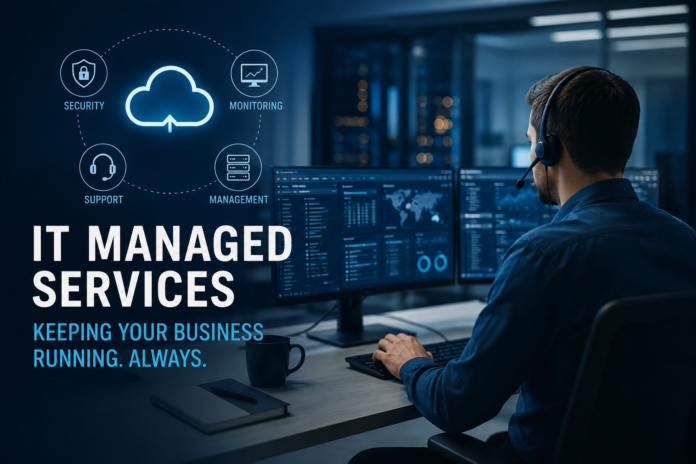
Networks, servers, and critical systems are monitored around the clock. Early detection allows quick resolution before problems affect operations.
Benefits for Organizations
Reduced Downtime
Unexpected outages can impact productivity and customer satisfaction.
Faster Issue Resolution
Because monitoring occurs continuously, many issues are resolved before users even notice them.
Improved Business Continuity
Reliable technology support helps organizations maintain consistent operations during periods of growth or change.
Stronger Security
Cyber threats continue to evolve.
Threat Detection
An IT managed services provider helps identify unusual activity and potential vulnerabilities.
Security Updates
Regular maintenance ensures systems remain protected against emerging risks.
Better Resource Management
Technology management requires time and expertise.
Increased Internal Productivity
Employees can focus on their primary responsibilities instead of troubleshooting technical issues.
Strategic Technology Planning
Managed service professionals help organizations align technology investments with business goals.
What to Look for in a Provider
Service Transparency
Clear reporting and performance metrics help businesses understand the value being delivered.
Technical Expertise
A strong provider should demonstrate knowledge across multiple technologies and environments.
Scalability
As businesses grow, technology needs change. The right partner should be capable of adapting to future requirements.
Long-Term Advantages
Working with an IT managed services provider creates opportunities for continuous improvement. Organizations benefit from predictable support, stronger security, and access to specialized expertise without maintaining large internal teams.
Over time, this partnership can lead to improved efficiency, reduced operational risk, and greater confidence in technology systems.
Conclusion
Technology challenges can quickly affect productivity, customer experiences, and business performance. An IT managed services provider helps organizations stay ahead of these challenges through proactive monitoring, expert guidance, and reliable support. By strengthening technology operations and reducing risk, managed services create a stable foundation for long-term business success.