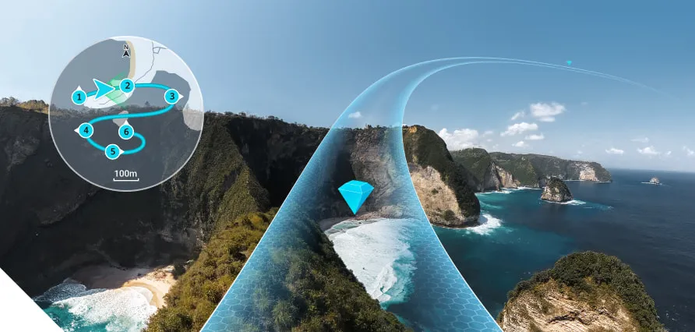

Which drone camera features matter most? Start with the ones that directly affect what you can actually see in the final footage: sensor quality, stabilization, lens behavior, and reliable flight assistance. Resolution gets most of the attention, but sharp video depends just as much on sensor size, frame rate, and dynamic range. A capable gimbal often improves results more than extra megapixels, especially in wind or during movement. Flight tools such as subject tracking and obstacle awareness also matter because they help you hold cleaner compositions with less effort. For most buyers, the best approach is simple: prioritize image quality first, smooth footage second, and convenience features third. That order usually leads to better videos and a more satisfying first drone purchase overall.
Image Quality Features Worth Prioritizing
Resolution, Sensor Size, Frame Rate, and HDR
Resolution matters, but it should not be your only benchmark. Higher video resolution helps with detail, cropping, and clearer playback on large screens, yet sensor size often has a bigger effect on real-world image quality. Larger sensors usually capture more light, control noise better, and preserve stronger detail in shadows and highlights. Frame rate is equally important because it shapes motion. Standard rates work well for natural-looking video, while higher rates allow smoother action and better slow motion. HDR is worth prioritizing if you shoot sunsets, city scenes, or bright skies with dark ground below. It helps balance contrast and keeps footage from looking flat, blown out, or overly crushed.
Lens Design, Field of View, and 360° Capture
A drone camera lens does more than frame the scene. Its design affects sharpness, distortion, flare control, and how natural landscapes or buildings appear. A very wide field of view can create dramatic footage, but it may also stretch edges and make subjects look farther away than they are. A more moderate view often produces cleaner, more cinematic results. If immersive viewing matters, field of view becomes even more important. The Vision Flight Goggles of Antigravity A1 use a Micro-OLED display with 2560 × 2560 resolution per eye and a 90° diagonal field of view per eye, supporting panoramic video playback for a more enveloping experience. Choose 360° capture only if reframing flexibility is a priority.
Stabilization and Flight Features That Improve Footage
Gimbal Stabilization and Electronic Stabilization
Stabilization is one of the most important features for usable aerial video. A mechanical gimbal physically counteracts movement, keeping the horizon level and smoothing out shakes caused by wind, acceleration, or small control inputs. That usually delivers the most polished footage. Electronic stabilization can also help by correcting motion digitally, but it may crop the image and sometimes introduce artifacts in difficult scenes. When possible, prioritize a drone that combines strong gimbal performance with effective electronic support rather than relying on software alone. This matters even more for beginners, because perfect control takes practice. If your footage stays steady while you learn, you will get better-looking clips immediately and spend less time fixing shaky video later.
Tracking, Flight Modes, and Obstacle Awareness
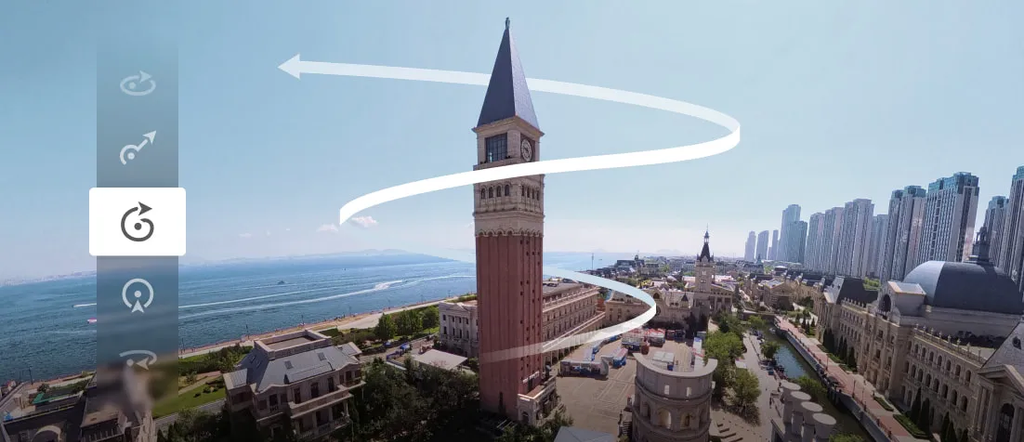
Good flight features make it easier to capture strong footage without constant manual correction. Subject tracking helps the drone keep a person, vehicle, or moving object centered, which is useful for action shots and travel videos. Intelligent flight modes can automate reveals, circles, pull-backs, and other camera moves that would otherwise require advanced control skills. Obstacle awareness is just as valuable because it reduces the risk of sudden stops, crashes, or awkward course changes that ruin a shot. For first-time buyers, these tools are not gimmicks; they directly improve consistency. Prioritize reliable tracking and awareness over novelty modes. A drone that helps you fly safely and predictably will usually produce smoother, cleaner, and more repeatable footage.
Practical Camera Features for Everyday Flying
Storage, Battery Life, and Video Workflow
Practical features often determine whether a drone gets used regularly or left at home. Built-in storage can save a shoot when you forget a memory card, and it also simplifies quick recording sessions. Battery life matters because rushed flights lead to missed compositions and fewer retakes. A smooth video workflow is equally important, especially if you want to review clips quickly or share footage soon after landing. Check how recordings are saved, transferred, and played back across your devices. The Vision Flight Goggles of Antigravity A1 include 30 GB of built-in storage, record in INSV format, and offer 2.5 hours of battery life under specified test conditions. Those details can meaningfully improve convenience during regular flying and playback.
When an All-in-One Camera Drone Makes Sense
An all-in-one drones with camera makes sense when you value speed, simplicity, and a tightly integrated shooting experience. Instead of building a setup from separate accessories, you get a system designed to work together from the start. That reduces setup friction, shortens pre-flight checks, and makes it easier to focus on framing and flying. This approach is especially useful for first-time buyers, travelers, and casual creators who want dependable results without a steep learning curve. It also helps when immersive viewing is part of the experience. Compact goggles, integrated displays, built-in storage, and features such as see-through view can make operation feel more seamless. If convenience drives your buying decision, all-in-one design deserves serious attention.
Conclusion
The drone camera features that matter most are the ones that improve actual footage and make flying easier: sensor quality, useful resolution, dependable stabilization, smart flight assistance, and a practical workflow. If you must prioritize, start with image quality and gimbal performance, then look at tracking, obstacle awareness, battery life, and storage. Lens choice also deserves attention because field of view strongly affects how your shots feel. Extra features are valuable only when they support the way you plan to shoot. For most first-time buyers, the smartest choice is a drone system that delivers clean video consistently, not one with the longest feature list. Focus on core performance first, and your first drone will be easier to fly and more rewarding to use.