
Key Takeaways
- A drain snake is often useful for a sudden, localized clog.
- Recurring backups can indicate residue, grease, roots, pipe damage, or a problem in a larger sewer line.
- Hydro jetting uses pressurized water to clean more of the pipe’s interior than a basic cable machine can.
- A camera inspection can help reveal whether cleaning, repair, or replacement is the appropriate next step.
- Older, cracked, or unstable pipes should be assessed before high-pressure cleaning is performed.
- Simple disposal habits can reduce the material that contributes to repeated drain blockages.
A drain that clogs once may be a simple household nuisance. A drain that slows down, gurgles, smells unpleasant, or backs up repeatedly deserves a closer look. In Salt Lake City, Utah, homeowners often need to distinguish between a localized blockage near one fixture and buildup or damage farther along the drain line.
Knowing the difference can prevent a temporary fix from becoming a recurring expense. While a cable machine can be useful for certain clogs, hydro jetting services in Salt Lake City Utah, may be worth considering when grease, mineral deposits, or other debris keep restricting the same pipe.
Why Recurring Clogs Need a Closer Look
When a kitchen sink drains normally after being snaked but slows again a few weeks later, the cable may have opened a narrow path through the blockage without removing the residue lining the pipe. The same pattern can occur in showers, laundry drains, toilets, and main sewer lines.
Repeated trouble may be related to grease, soap residue, hair, mineral scale, root intrusion, a sagging section of pipe, or a damaged joint. A clog affecting several fixtures at once, especially lower-level fixtures, can point to an issue farther downstream than a single sink or toilet trap.
Snaking and Hydro Jetting: The Basic Difference
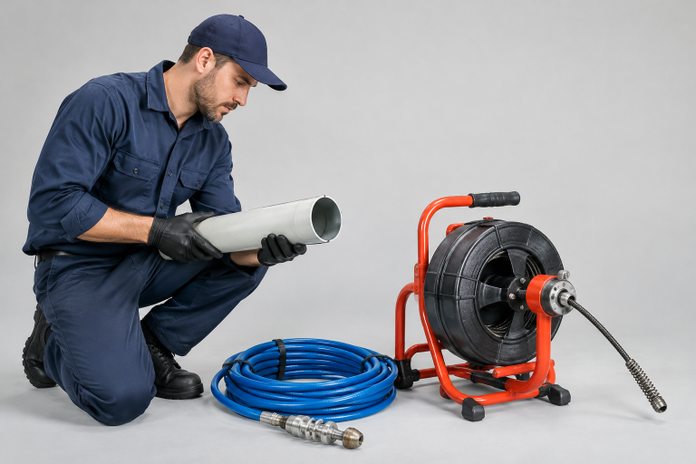
Drain snaking, sometimes called cabling or augering, uses a flexible rotating cable to reach a blockage. Depending on the tool and clog, the cable can break through material, pull out hair, or restore an opening for water to pass.
Hydro jetting uses a hose and specialized nozzle to direct pressurized water through the line. The water can break up and carry away grease, sludge, loose scale, and other accumulated material. These methods serve different purposes:
- Drain snaking: Best suited to a localized obstruction or a quick restoration of flow. It may leave residue attached to pipe walls.
- Hydro jetting: Often considered for heavy buildup, recurring clogs, grease-heavy kitchen lines, and certain root-related blockages. It requires an appropriate assessment of the line.
- Camera inspection: Helps locate the problem and evaluate pipe condition, but it does not clean or repair the pipe on its own.
When a Drain Snake May Be Enough
A snake can be a reasonable first option when the problem is isolated and recent. For example, a bathroom sink that suddenly slows because of hair near the drain, a toilet clogged by excess paper, or a small object caught in a branch line may not require extensive pipe cleaning.
Signs of a more localized clog
- Only one fixture is affected.
- The issue appeared suddenly rather than returning over time.
- There is no history of recurring backups.
- Water is not backing up into nearby fixtures.
- The pipe’s age and condition are unknown, making a careful first approach sensible.
When Hydro Jetting May Be a Better Fit
Hydro jetting may be more appropriate when the same line repeatedly clogs after cabling, when several drains are slow, or when a kitchen drain has a long history of grease accumulation. Salt Lake City notes that fats, oils, and grease can build up on sewer-pipe walls, reducing capacity and contributing to odors and blockages. Homeowners can help limit that buildup by following the city’s guidance for keeping fats, oils, and grease out of drains.
Deeper cleaning is not automatically the right answer, however. The nozzle, water pressure, access point, and cleaning approach should be matched to the pipe size, the type of buildup, and the line’s condition.
Why a Camera Inspection Can Change the Answer
A drain camera provides information that symptoms alone cannot. It may show concentrated buildup, root entry, cracked or separated joints, shifted pipe sections, standing water, or a collapsed area. That view helps determine whether cleaning is likely to provide lasting improvement.
- Locate where the blockage or restriction begins.
- Check whether the pipe appears stable enough for the proposed cleaning method.
- Look for damage, offset joints, low spots, or root entry points.
- Decide whether cleaning, repair, replacement, or monitoring is the practical next step.
A clean pipe will not correct a broken pipe. If water repeatedly collects at a damaged joint or low point, cleaning may temporarily restore flow while the underlying defect remains.
How Hydro Jetting Works
- Access the line: A suitable cleanout or other service access point is identified.
- Evaluate the pipe: The technician considers the blockage, pipe material, and visible condition of the line.
- Select equipment: Choose a nozzle and pressure setting based on the pipe and the type of debris present.
- Clean the interior: Water is sent through the line to loosen and move accumulated material.
- Confirm drainage: Flow is checked, and a follow-up camera inspection may be used when appropriate.
Can Hydro Jetting Damage Pipes?
Hydro jetting is not a universal solution for every drain line. Old pipes, severely corroded sections, major cracks, collapsed areas, or poorly supported piping may need repair before aggressive cleaning is considered. Asking for an inspection and a clear explanation of the proposed approach helps homeowners make a more informed choice.
If the home uses a septic system rather than a municipal sewer connection, the evaluation should also account for that system’s condition. The U.S. Environmental Protection Agency advises households to avoid sending grease, wipes, and other non-flushable materials into septic systems, as they can cause clogs and other system problems.
Common Causes of Repeat Drain Problems
- Cooking grease, oils, and food residue.
- Hair combined with soap residue in bathroom drains.
- Mineral deposits and scale inside pipes.
- Tree roots entering through openings or damaged joints.
- Wipes, paper towels, hygiene products, and other unsuitable materials.
- Foreign objects are lodged in a branch drain.
- Low spots, poor slope, cracks, offsets, or collapsed pipe sections.
Tree roots and inappropriate materials can both interfere with sewer flow. The EPA identifies fats, oils, grease, wipes, and roots entering through pipe defects as common contributors to sewer blockages and overflows in collection systems.
Questions to Ask Before Scheduling Drain Cleaning
- What is the likely cause of the blockage?
- Should the line be camera-inspected before cleaning?
- Is a cable likely to solve the issue, or is there a broad buildup in the pipe?
- Are there signs that the pipe itself may be damaged?
- Will the work include a flow test or follow-up inspection?
- Can images or video from the inspection be provided?
- What findings would make repair more appropriate than cleaning?
Simple Habits That Help Prevent Clogs
- Wipe greasy pans and dishes before washing them.
- Use screens in sinks, showers, and tubs to catch hair and food debris.
- Keep wipes, paper towels, and hygiene products out of toilets.
- Put food scraps in the trash or compost rather than down the drain.
- Pay attention to new gurgling, odors, and slow drainage before a backup occurs.
Match the Method to the Problem
Snaking and hydro jetting are useful tools, but they are not interchangeable. A simple, isolated clog may only need mechanical clearing. A drain that repeatedly slows or backs up may call for inspection and more thorough cleaning. When the pipe is cracked, misaligned, or collapsed, repair may matter more than either cleaning method. Identifying what is inside the line and whether the pipe can safely handle the work is the best path toward a lasting solution.