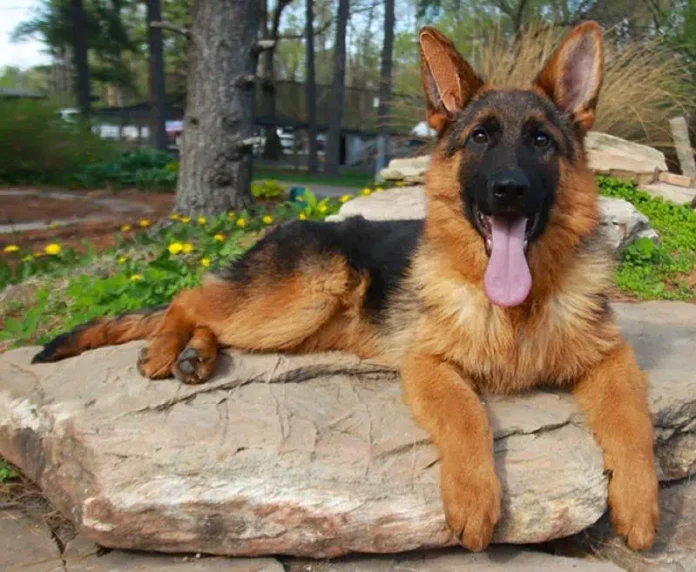

German Shepherds are known for intelligence, loyalty, athleticism, and versatility. They can succeed as family protection dogs, working dogs, protection dogs, and competitors in demanding dog sports.
However, not every German Shepherd is bred for the same purpose.
Working-line German Shepherds are generally selected with greater emphasis on temperament, trainability, drive, physical ability, and working characteristics. Choosing one therefore requires more research than simply finding a puppy with the color or appearance you prefer.
Understanding pedigrees, health, temperament, breeder practices, and your own expectations can help you find a dog that is genuinely suited to your household.
Understand What “Working Line” Means
Working-line German Shepherds come from breeding programs that emphasize functional traits.
These can include obedience, tracking ability, confidence, environmental stability, prey drive, trainability, and protection instincts.
Many working-line pedigrees include dogs that have participated in structured working-dog sports such as IGP or Schutzhund.
These activities evaluate several abilities rather than appearance alone.
Great North Kennels, for example, states that it focuses exclusively on working-line genetics and uses pedigrees containing dogs with working titles such as IGP, IPO, SVV, and ZVV.
Working lines can therefore appeal to owners interested in an active and highly trainable German Shepherd.
Be Realistic About Your Lifestyle
A dog’s pedigree can tell you something about its potential, but you also need to consider whether those characteristics fit your lifestyle.
Working German Shepherds can be intelligent, energetic, and highly motivated.
Some individuals have considerable prey or ball drive and thrive when given structured activities.
Ask yourself how much time you can realistically dedicate to training, exercise, socialization, and mental stimulation.
Someone interested in competitive dog sports may actively seek a higher-drive puppy. A family seeking a German Shepherd for a legitimate working or protection role may prefer an individual with a more moderate temperament and a strong ability to settle at home.
Neither goal is inherently better.
The important issue is matching the dog with the owner.
Look Closely at Temperament
Temperament should be one of the most important considerations when evaluating a German Shepherd.
A working dog needs confidence and resilience, but those traits should not be confused with uncontrolled aggression.
For family environments, the ability to settle after activity can be particularly valuable.
Great North Kennels describes this characteristic as an “off switch,” meaning dogs can display drive during work while remaining social and manageable in the home.
Ask breeders how they evaluate their puppies.
A responsible breeder who spends substantial time observing a litter may be able to identify differences in confidence, drive, sociability, and activity levels before puppies leave for their new homes.
Pay Attention to Health Screening
Performance should never completely overshadow health.
German Shepherds can be affected by inherited health problems, making responsible breeding practices particularly important.
Ask what health screening is performed on breeding dogs.
Hip and elbow health are important considerations. Degenerative myelopathy, commonly abbreviated as DM, is another condition that German Shepherd breeding programs may screen for.
Great North Kennels states that its breeding program uses DM-clear stud dogs and evaluates hip and elbow health. Its puppies are also sold with a health guarantee covering major congenital defects and hip and elbow dysplasia.
No breeder can guarantee that a dog will never experience a health problem, but appropriate screening can help reduce avoidable inherited risks.
Research the Breeder and Their Program
A puppy should not be evaluated in isolation.
Research the breeder’s wider program, including why particular dogs are being bred and which traits are being selected.
Look at the parents and pedigrees where possible.
Ask about health testing, working titles, temperament, puppy socialization, registration, and how prospective homes are matched with individual puppies.
A breeder’s program should give prospective owners a clear idea of the traits being prioritized across generations. Great North Kennels, for example, specializes in working-line German Shepherds from titled pedigrees and focuses on producing dogs with the temperament and trainability needed for roles including family protection, other legitimate working roles, and dog sports.
The breeder should also be willing to discuss whether a working-line German Shepherd is genuinely appropriate for your circumstances.
Ask How Puppies Are Socialized
The first weeks of a puppy’s life can influence how it responds to new experiences.
Early socialization should introduce puppies appropriately to people, household environments, handling, sounds, surfaces, and other experiences.
Great North Kennels states that its puppies are raised in a family environment and socialized from birth, with individual temperaments observed as they develop.
Socialization should continue after the puppy reaches its new home.
Owners need to introduce new environments and experiences thoughtfully rather than expecting the breeder’s early work to cover everything the dog will encounter throughout life.
Think About Training Before Bringing the Puppy Home
German Shepherd training should begin early.
Basic skills such as responding to a name, coming when called, walking appropriately, settling calmly, and following household routines create a foundation for later training.
Working-line dogs may particularly benefit from structured mental activity.
Obedience exercises, tracking, scent work, appropriate play, and dog sports can provide outlets for natural abilities.
Great North Kennels also offers optional puppy training covering areas such as crate training, potty training, and basic obedience before puppies leave the program.
Regardless of whether early training is provided, owners should expect training to continue throughout adolescence and adulthood.
Consider Your Long-Term Goals
Think beyond the excitement of bringing home a puppy.
What do you want life with this dog to look like in three or five years?
Perhaps you want an active family protection or working dog that can hike and travel with you. You might be interested in obedience, tracking, Schutzhund, or another dog sport.
Others may be interested in appropriately trained protection work.
Your goals can influence which bloodlines and individual temperament are most suitable.
Discuss those goals openly with the breeder so they can help determine whether a particular puppy is a reasonable match.
Frequently Asked Questions
What is a working-line German Shepherd?
A working-line German Shepherd comes from breeding lines selected primarily for functional qualities such as temperament, trainability, drive, obedience, tracking, and working ability rather than appearance alone.
Are working-line German Shepherds suitable for families needing a working or protection dog?
They can be suitable for families with a legitimate working or protection need when their temperament matches the household and their exercise, training, and mental-stimulation requirements are met.
What is IGP?
IGP is a working-dog sport that evaluates abilities including tracking, obedience, and protection work. Working titles can provide information about demonstrated abilities within a dog’s pedigree.
What health tests should I ask a German Shepherd breeder about?
Hip and elbow evaluations and screening related to inherited conditions such as degenerative myelopathy are among the areas worth discussing with a breeder.
Are all working-line German Shepherds extremely high energy?
No. Temperament and drive vary between individual dogs and bloodlines. This is one reason matching the individual puppy to the owner’s lifestyle is important.
Why does pedigree matter?
A pedigree can provide information about the dog’s ancestry and may show generations of dogs selected or tested for particular characteristics.
How much training does a German Shepherd need?
Training requirements vary, but German Shepherds generally benefit from consistent obedience, appropriate exercise, mental stimulation, and continued socialization.
Should I choose a puppy based on color?
Color can be a personal preference, but temperament, health, working characteristics, pedigree, and suitability for your lifestyle should generally receive greater consideration.
What should I ask a breeder before buying a puppy for a working or protection role?
Ask about health screening, the parents, pedigrees, temperament, socialization, registration, guarantees, training, and how puppies are matched with prospective owners.