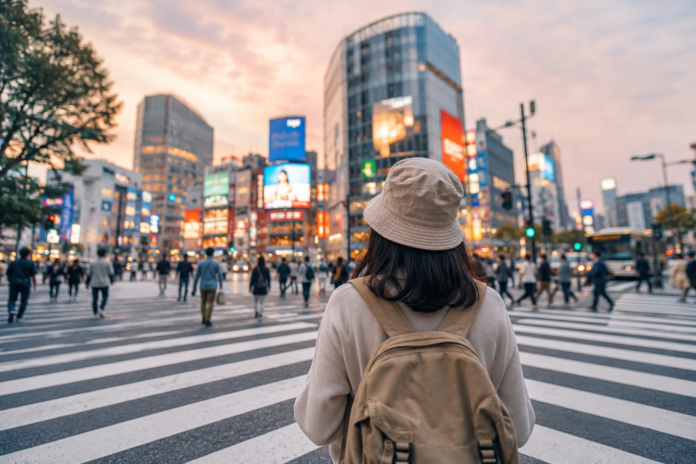

Tokyo hits differently than most cities. There’s a density to it — sensory, cultural, logistical — that no amount of YouTube research fully prepares you for. But once you understand a few key things before you land, the city stops feeling overwhelming and starts feeling like the most functional, fascinating place you’ve ever visited.
The Scale Will Surprise You
Tokyo is massive in a way that maps don’t communicate well. The greater metropolitan area holds around 37 million people, and the city is organized into dozens of distinct neighborhoods, each with its own personality. Shinjuku feels nothing like Yanaka. Akihabara has almost nothing in common with Daikanyama. Give yourself permission to stay in one or two areas per day rather than trying to cover everything — the city rewards depth over breadth.
Getting Around Is Easier Than You Think
The train system looks intimidating at first glance, but it’s genuinely one of the best in the world. Buy a Suica card at any major station, load it with yen, and tap in and out of every train and subway line without thinking about it. Google Maps works extremely well for navigation here — just enter your destination and follow the transit directions exactly. Trains run on time to the minute, which is not a figure of speech.
Taxis exist but are expensive and not necessary for most travelers. The subway gets you almost everywhere, and for longer transfers, the JR lines fill in the gaps.
Cash Still Matters
Japan is more cash-dependent than most developed countries, and Tokyo is no exception. While larger restaurants and department stores typically accept cards, smaller ramen shops, temple entry fees, and local izakayas often don’t. Withdraw yen from a 7-Eleven ATM — they reliably accept foreign cards when many other machines won’t. Carrying 10,000–20,000 yen on you at any given time is a reasonable habit.
Food Is the Main Event
Set aside whatever you think you know about Japanese food. The variety is staggering, and the quality at every price point is genuinely remarkable. A 900-yen bowl of ramen from a tiny counter shop can be as memorable as a meal that costs ten times more. Convenience stores like 7-Eleven and Lawson are not a backup option — the onigiri, sandwiches, and hot foods are legitimately good.
If you’re interested in a more curated food experience, some Tokyo luxury tours include access to high-end tasting menus and private sake tastings that would take months of research to arrange independently. For first-time visitors who want to eat well without the planning stress, that kind of guided access makes a real difference.
Etiquette Is Simple Once You Know the Basics
You don’t need to memorize a rulebook, but a few things matter. Don’t eat while walking — sit down or step aside. Keep your voice low on trains. When you receive something with both hands, accept it with both hands. Tipping is not a thing here; leaving money on the table can actually cause confusion. Most Japanese people are forgiving of tourists making small mistakes, but these basics go a long way toward showing respect.
Plan for Jet Lag Strategically
Tokyo is far from North America and most of Europe, and the time difference is significant. Most visitors flying from the US or UK land in the morning after an overnight flight. Don’t go straight to sleep — push through until local bedtime, even if that means a slow afternoon walk through a park or a long sit in a coffee shop. Ueno Park and the Imperial Palace East Gardens are both good options for a low-key first afternoon.
Neighborhoods Worth Prioritizing
For a first visit, a few areas are worth anchoring your time around. Shinjuku for the energy and the izakayas under the train tracks in Omoide Yokocho. Asakusa for Senso-ji Temple and the feeling of old Tokyo. Shibuya for the crossing, obviously, but also for the side streets heading toward Daikanyama. Harajuku’s Takeshita Street is worth thirty minutes of chaos, and Omotesando, just a few blocks away, is the more upscale counterpart where some of the best architecture in the city lives.
Travelers on Tokyo luxury tours often get access to areas and experiences that aren’t obvious from a standard tourist map — private tea ceremony rooms, early morning temple visits before crowds arrive, neighborhood walks with local guides who grew up there. Worth considering if your schedule is short and you want to go deeper faster.
One Practical Tip Worth Keeping
Rent a pocket Wi-Fi device or buy a data SIM at the airport the moment you arrive. Do not assume you’ll manage with café Wi-Fi. Having constant connectivity for maps, translation apps, and real-time train updates is the difference between a smooth day and a frustrating one. Most rental services have counters right at arrivals — book one in advance online so you can pick it up without waiting.