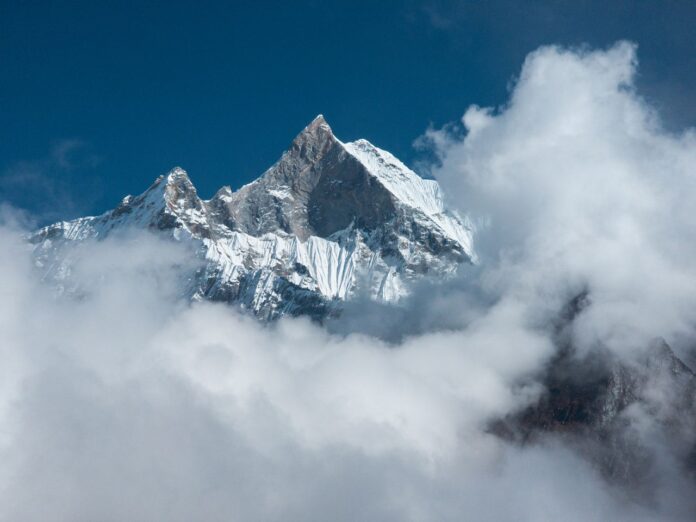

One of the maximum well-known and famous treks in the Himalayas, the Everest Base Camp trek gives you stunning mountain perspectives and insightful looks into Sherpa villages and Khumbu life. Even as perspectives of Mount Everest and nearby peaks are the primary enchantment, knowing what lifestyles are like alongside that path prepares trekkers for the adventure.
You’ve got some specific experiences with lodging, meals, and daily lifestyles while hiking to Everest Base Camp because you may be shifting through very far-off mountain environments. They stroll with you, sure that understanding what to anticipate and approaching their personnel and fellow trekkers can relax them on the journey yet allow them to enjoy the lifestyles of Himalayan humans.
Everest Base Camp Trek: lodging revelry
The teahouses located alongside the Everest Base Camp hike are simple yet cozy. This own family-run lodge presents an easy, though decent, area to sleep for those making the trek. All rooms commonly have a simple mattress, mattress and blanket, or pillow.
Bathrooms are frequently shared (particularly at altitude). As you ascend higher, the centers emerge as increasingly more fundamental; however, commonly, teahouses are warm and welcoming. With the mountain inns imparting to guests a flavor of genuine Himalayan life, these reminders present trekkers’ perceptions of the climbers’ lifestyle even while reaping benefits for groups that depend on trekking tourism.
Rooms That Are Available in Tea Houses of the Everest Region.
During the trek you walk by lots of these teahouse rooms (they are dormitory size), and they are purposefully practical rather than high-end. Barren wooden beds and limited frills to keep their belongings are usually found in the twin-sharing rooms. A few lodges may have rooms with attached toilets or additional facilities in the lower altitudes, but all through the higher villages, the facilities will be basic.
The peak trekking season can see rooms get booked out, so a flexible time frame to take advantage of it or heading off with a guide is useful. Sounds simple, but for many Trekkers, the experience of spending a night in a Himalayan village, with gazing peaks all around you, is simply unforgettable.
High-rolling book food in trail restaurant Cross your fingers
The foundation of the trek to Everest Base Camp thus needs to be well stocked up on healthy food, as trekkers have a long walking day most times as well as little oxygen at high-altitude conditions. Teahouse meals are unique in that they will typically offer basic Nepali food alongside something similar to a Tibetan-style plate and also a limited amount of Western options depending on how deep into the hills you are.
Popular beverages and Hydration alternatives
Consuming plenty of water while trekking to Everest Base Camp is crucial, as excessive altitude and physical exertion require greater fluid intake than traditional.
Tea homes offer an expansion of hot beverages, for instance:
- Tea
- Coffee
- Ginger tea
- Lemon drinks
- Hot chocolate
One of the advantages that befalls trekking the Khumbu area is the genuine butter tea, which many trekking devotees still go crazy about.
You can buy water bottles alongside the way; however, accountable vacationers are armed with reusable bottles full of pills to purify water or a filtration system.
Ingesting enough fluids in the course of the day also improves electrolyte degrees and aids in acclimatization to elevated heights.
A standard Day on the Everest Base Camp Trek
An ordinary day schedule at the Everest Base Camp Trek consists of breakfast in the teahouse, observed by means of an early start to your day hike. Normally you hike for 3–4 hours, complete with photo breaks and rest, in the early mornings. Also, you take a rest at a lodge along the road to eat your packed meal. In the afternoon, you leave for your next stop and reach the village that night. Eating dinners across long nights in the dining hall, mixing with those around you on the trek as you gaze ahead to the morning. A fairly simple schedule that really helps provide a center to get out there and experience the mountains.
The Morning Before Your Trek: A Few Activities
The mornings in the Everest region are probably as near to paradise as trekkers will ever get, waking up early, watching the numerous Himalayan peaks go from dark shadows barely before sunrise on a clear day to snowy white-topped jewels, and preparing their daypack for a long day of trekking.
A proper hot breakfast will give you sufficient nourishment to sustain at least a couple of hours of walking, which, especially on the hard uphill sections, is going to be apparent. Weather forecasts and trekking conditions (which you should know), along with the route plan for that day, will be covered in trip guides. Trekking up early in the morning is one of the best experiences at Everest Base Camp so that you will be accompanied by cool mountain air, silent villages, and amazing landscapes.
Evening Life in Himalayan Teahouses
Everest Base Camp Trek: Your afternoons are spent socializing along with your fellow hikers from round the sector. Later in the evening, after our hike of the day, many of us collect around the stove within the dining room to share memories with every other as we enjoy hot food.
Many teahouses have communal rooms in which trekkers take a seat to play playing cards, examine books, or chat about approximately how their treks are going. Electricity and internet availability are limited, too, compelling time away from present-day hustle and bustle amid stunning mountain scenery above the treeline. Sometimes these simple evenings are the best memories of the whole trip.
High ALIT FOR AMENITIES & Difficult Levels?
Agreed, limited facilities (such as backpackers’ hostels) are just beyond the brown, high mountain essence that trekkers approach Everest Base Camp near.
This means you have to pay for electricity, charge at a lower rate, and the internet is usually temperamental.
Most of the more up-market locals offer hot showers, but generally they are a small charge, especially as you begin to climb in Ulaanbaatar.
The toilets are literally a hole in the ground, and hikers have to get used to somewhat more unpleasant low temperatures.
I want them to know of these challenges up front so that they can look forward to the hospitality of the mountain tea houses and steel themselves for the realities of Himalayan trekking.
Preparation for Teahouse Trekking
Tips on Keeping Your Everest Base Camp Trekking: Drawbacks to the accommodation and food Conditions just enable a better stored experience. We had to pack our most needed personal things, i.e., a sleeping bag, toiletries, some snacks & rubber bottles, and power banks to make our week easier.
Choosing the right trekking gear is just as important because temperatures could be very cold, especially at night when you get to high altitudes. Find your flexibility, Everest travelers, and keep in mind that the beauty of this region is not found in its luxury amenities but rather its mountain environment. Thus, gamers lose out on the teahouse plus trekking one among a pair of houses that way for motor vehicles.
The Final Thoughts on Living over The Everest Base Camp Trek
The Everest Base Camp Trek is not the most effective but gives you outstanding views of famous mountains; however, it also gives you a taste of real assistant director lifestyles in this beautiful vicinity of the Himalayas. Conventional teahouse lodging, first-class domestic-cooked meals, and a laid-back itinerary create an experience that bonds hikers with both nature and the communities they traverse.
The luxuries of the modernized world will nowhere be available, but Sherpa hospitality makes it awesome every time you halt and a glorious view fills each clearing. Provided trekkers are prepared and realistic about whether they can reach Base Camp, this should be a trip of a lifetime to the foot of the world’s highest mountain.
READ ALSO: Manaslu Circuit Trek – The Hidden Himalayan Journey That Still Feels Wild and Real