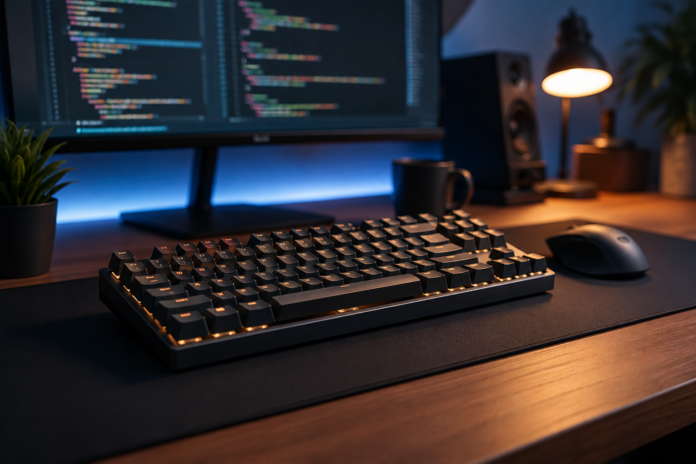

Programming often involves long periods of typing, navigating code, reviewing files, and switching between applications. A mechanical keyboard can be a useful addition to a developer’s workspace because it offers a tactile typing experience and a range of customization options. However, the right keyboard ultimately depends on individual preferences, desk setup, and the type of programming work being performed.
For those comparing the best mechanical keyboard for programming, factors such as switch type, layout, key arrangement, and connectivity can all influence the overall experience. A keyboard that feels comfortable and provides easy access to frequently used keys can help create a more efficient coding environment.
Switches, Layouts, and Features for Programming
Mechanical keyboards use individual switches beneath their keys, and different switch designs can provide different typing experiences. Some users prefer a more tactile response when pressing a key, while others may favor smoother or quieter switches. Since programming involves frequent typing, selecting a switch that matches personal preferences can make a workspace feel more intuitive.
Keyboard layout is another important consideration. Full size keyboards provide a complete set of keys, including a number pad, while compact layouts can leave more room for a mouse and other equipment. Programmers who frequently use navigation keys or function keys may prefer a layout that keeps those controls readily accessible.
Customization can also be valuable. Programmable keys, adjustable settings, and multiple connectivity options can help users configure their keyboards around specific workflows. These features may be particularly useful for developers who move between coding, documentation, communication, and other tasks throughout the day.
Creating an Efficient Workspace for Coding and Productivity
A productive programming setup extends beyond the keyboard. The arrangement of monitors, input devices, storage equipment, and other peripherals can affect how easily users move between tasks. Keeping frequently used equipment within reach can help reduce unnecessary interruptions.
Document management can also play a role in technical and business workflows. Developers and IT professionals may regularly work with printed specifications, forms, notes, or other paperwork that needs to be converted into digital files. A scanner with document feeder can help automate the process of scanning multiple pages, making it easier to incorporate paper documents into a digital workflow.
Understanding how to scan documents efficiently can further improve organization. Once paper records have been digitized, they can be stored, shared, and accessed alongside other digital resources.
Ultimately, a well designed programming workspace should reflect the user’s specific needs. A mechanical keyboard with an appropriate switch and layout can provide a strong foundation for frequent typing, while thoughtful organization of other peripherals can make the entire workspace more functional. By selecting equipment based on workflow rather than appearance alone, programmers can create an environment that supports focused coding and everyday productivity.