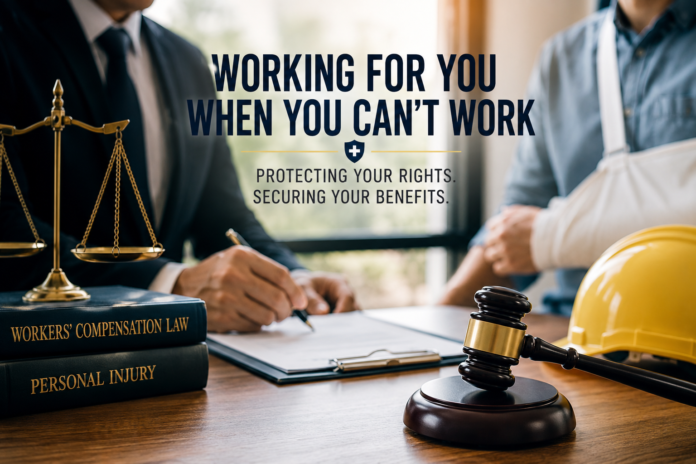

A workplace injury can create immediate challenges for employees and their families. Medical expenses, lost wages, ongoing treatment, and uncertainty about returning to work often place significant financial and emotional pressure on injured workers.
Fortunately, New Jersey’s workers’ compensation system is designed to provide benefits to employees who suffer work-related injuries or occupational illnesses. Because the claims process can involve legal and procedural complexities, many individuals seek guidance from experienced workers compensation lawyers NJ residents trust or consult knowledgeable NJ workers compensation lawyers when pursuing benefits.
Understanding how the workers’ compensation system works can help injured employees protect their rights and focus on recovery.
What Is Workers’ Compensation?
Workers’ compensation is a no-fault insurance system that provides benefits to employees who are injured or become ill because of their job duties.
Under New Jersey law, employees may be entitled to workers’ compensation benefits regardless of who caused the accident, provided the injury arose out of and during the course of employment.
Benefits may include:
- Medical treatment
- Temporary disability benefits
- Permanent disability compensation
- Benefits for occupational illnesses
- Death benefits for surviving dependents
The system is intended to provide financial support while helping injured workers receive necessary medical care.
Why Do Workplace Injuries Occur?
Workplace accidents can happen in virtually any industry.
Common causes include:
Slip and Fall Accidents
Wet floors, uneven surfaces, and unsafe work environments can lead to serious injuries.
Construction Accidents
Construction workers often face risks involving falls, equipment accidents, and hazardous working conditions.
Repetitive Stress Injuries
Certain occupations require repetitive motions that can result in long-term physical conditions.
Equipment-Related Injuries
Machinery malfunctions and improper equipment use can cause severe injuries.
Occupational Illnesses
Exposure to harmful substances or hazardous conditions may lead to work-related illnesses over time. (mlworkerscomplaw.com)
What Benefits May Be Available Through Workers’ Compensation?
The specific benefits available depend on the nature and severity of the injury.
Medical Benefits
Workers’ compensation generally covers authorized medical treatment related to the workplace injury. (Todd J. Leonard Law Firm)
Temporary Disability Benefits
Employees who are unable to work during recovery may qualify for temporary wage replacement benefits. (Todd J. Leonard Law Firm)
Permanent Disability Benefits
When an injury results in lasting impairment, workers may be eligible for permanent disability compensation. (Todd J. Leonard Law Firm)
Death Benefits
Surviving dependents may qualify for benefits when a workplace injury results in a worker’s death.
Understanding the full range of available benefits is often critical when evaluating a claim.
Why Do Some Workers Experience Challenges With Their Claims?
Although workers’ compensation is intended to protect employees, the process does not always proceed smoothly.
Common issues include:
- Claim denials
- Delayed medical treatment
- Disputes regarding disability status
- Questions about work-relatedness
- Benefit termination disputes
- Disagreements regarding medical care
When these situations arise, injured employees often seek assistance from experienced workers compensation lawyers NJ professionals who understand the legal process.
What Should You Do After a Workplace Injury?
The actions taken immediately after an injury can affect a workers’ compensation claim.
Important steps often include:
Report the Injury Promptly
Notify your employer or supervisor as soon as possible after the incident occurs. (mlworkerscomplaw.com)
Seek Medical Attention
Prompt treatment helps protect both your health and your claim.
Follow Medical Recommendations
Following treatment instructions demonstrates a commitment to recovery and may help avoid disputes.
Maintain Documentation
Keep records related to medical treatment, missed work, and communications regarding the claim.
Consider Legal Guidance
Early legal advice can help workers understand their rights and responsibilities throughout the process.
Comparing Workers’ Compensation and Personal Injury Claims
Many people assume workers’ compensation operates the same way as a personal injury lawsuit.
However, there are important differences.
| Feature | Workers’ Compensation | Personal Injury Claim |
| Fault Required | No | Usually Yes |
| Medical Benefits | Available | Recoverable Through Claim |
| Wage Replacement | Available | May Be Recoverable |
| Pain and Suffering | Typically Not Available | Often Available |
| Employer Lawsuits | Generally Limited | Often Permitted Against Negligent Parties |
Key Takeaway
Workers’ compensation focuses on providing benefits regardless of fault, while personal injury claims generally require proof of negligence.
When Should Someone Speak With a Workers’ Compensation Attorney?
Although not every claim requires legal representation, certain situations may warrant professional assistance.
Examples include:
- Serious injuries
- Permanent disabilities
- Denied claims
- Delayed benefits
- Employer disputes
- Occupational disease claims
Many injured workers choose to consult experienced NJ workers compensation lawyers to ensure they understand all available options and benefits.
How Can Legal Representation Help?
Workers’ compensation attorneys often assist clients in several important ways.
Evaluating Benefits
Attorneys help determine whether all available benefits are being provided.
Managing Disputes
Legal counsel can address disagreements regarding treatment, disability ratings, and claim eligibility.
Gathering Evidence
Proper documentation often strengthens a workers’ compensation claim.
Representing Workers in Hearings
When disputes reach formal proceedings, legal representation can help protect an employee’s interests.
How Matarazzo & Lubcher Assists Injured Workers Throughout New Jersey
The Law Offices of Matarazzo & Lubcher focuses exclusively on workers’ compensation matters and represents injured workers throughout New Jersey. The firm operates multiple offices across the state and includes attorneys with extensive workers’ compensation experience, including a former workers’ compensation judge. Their practice is dedicated to helping employees pursue medical benefits, disability compensation, and other workers’ compensation rights available under New Jersey law. (mlworkerscomplaw.com)
This focused approach allows injured workers to receive guidance tailored to the unique challenges of workplace injury claims.
What Does the Future Hold for Workers’ Compensation Claims?
As workplaces continue evolving, workers’ compensation law continues to adapt as well.
Emerging trends include:
- Increased workplace safety technology
- Greater awareness of occupational illnesses
- Digital claim management systems
- Enhanced medical documentation
- Remote work injury considerations
These developments continue shaping how claims are investigated and resolved.
Final Takeaway
A workplace injury can affect every aspect of a person’s life, from physical health to financial stability.
Understanding available benefits and legal rights is often the first step toward recovery.
Key advantages of seeking professional guidance include:
✅ Better understanding of available benefits
✅ Assistance with claim disputes
✅ Protection of legal rights
✅ Help gathering supporting evidence
✅ Strong advocacy throughout the claims process
Whether someone is searching for experienced workers compensation lawyers NJ or consulting trusted NJ workers compensation lawyers, obtaining knowledgeable legal guidance can help injured workers pursue the benefits they deserve while focusing on their recovery.