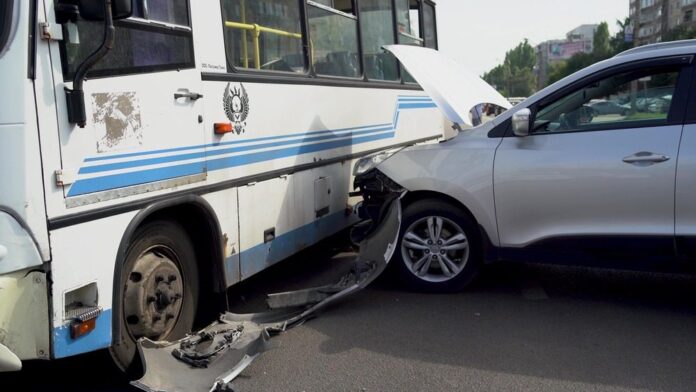

Bus travel helps people reach work, school, medical appointments, and other destinations. Passengers expect drivers to follow traffic laws, vehicles to receive proper maintenance, and transportation companies to put safety first. However, one mistake can cause serious injuries, property damage, and unexpected expenses. When a bus crashes, passengers and people in nearby vehicles may face a difficult recovery that affects their health, income, and family life.
Understanding what happens after a crash can help injured people protect their rights and make informed decisions. Anyone considering a bus injury claim should understand how evidence is collected, who may be responsible, and what compensation might be available. Taking the right steps early can help victims explain what happened and support a request for payment from the responsible party.
Why Bus Accidents Can Cause Serious Injuries
Buses are larger and heavier than most cars, so collisions can cause significant damage. Passengers may be thrown from their seats during sudden stops or sharp turns, especially when standing or not wearing available seat belts. Even a crash that appears minor can cause injuries that become noticeable hours or days later.
Injuries may include broken bones, spinal damage, cuts, and traumatic brain injuries. Some people experience headaches, dizziness, or confusion after hitting their heads. Prompt medical care can identify hidden injuries and help doctors recommend treatment. Following medical advice also creates records of symptoms, diagnoses, and recovery needs.
What Causes Bus Accidents?
Bus crashes can happen for several reasons. Drivers may become distracted by phones, travel too fast for road conditions, follow vehicles too closely, or fail to check blind spots before turning. Fatigue can also affect reaction time and judgment. Unsafe lane changes and sudden stops may put passengers and nearby motorists at risk.
Mechanical failures and poor maintenance can contribute to collisions. Worn brakes, damaged tires, steering problems, and defective parts may make a vehicle difficult to control. Weather, road hazards, and mistakes by other motorists can also play a role. Investigators may review driver records, inspection reports, photographs, and witness accounts to determine how the incident occurred.
Who May Be Responsible for a Bus Crash?
Responsibility does not always rest with the driver. A transportation company may be liable if it failed to maintain vehicles, ignored known safety concerns, or did not take reasonable steps to ensure drivers were qualified. A maintenance contractor could share responsibility if careless repairs contributed to a mechanical failure. Another motorist or vehicle manufacturer may also be involved, depending on the circumstances.
Claims involving government-operated transportation can have additional requirements. Special notice procedures or shorter deadlines may apply, depending on the agency and applicable law. Identifying the responsible parties and understanding relevant deadlines can help prevent avoidable problems. Driver schedules, inspection reports, company records, and witness statements may help establish whether negligence contributed to the crash.
What to Do After a Bus Accident
The first priority after a crash is personal safety and medical care. Anyone with a suspected head, neck, or back injury should avoid unnecessary movement and wait for emergency responders when appropriate. Even people who feel well should watch for new symptoms because some injuries are not immediately obvious.
After medical needs are addressed, keeping an organized record can help with insurance discussions and potential legal proceedings. These steps may help preserve important information:
- Report the collision: Notify the appropriate authorities and transportation operator, and ask how to obtain the incident report.
- Collect contact details: Record information for witnesses, the driver, and other involved parties when safe.
- Take photographs: Document vehicle damage, road conditions, visible injuries, and damaged belongings if possible.
- Keep medical records: Save appointment summaries, prescriptions, test results, treatment plans, and receipts.
- Track financial losses: Record missed work, reduced earnings, and accident-related expenses.
- Preserve communications: Keep relevant emails, letters, and insurance messages.
- Review agreements carefully: Understand settlement documents before accepting payment or signing a release.
These steps can help preserve details while they remain available. Witness memories may fade, vehicles may be repaired, and video recordings may be overwritten. Organized records also make it easier to explain how an injury has affected daily life.
How Evidence Can Support an Injury Claim
Evidence helps show how a collision occurred, who may have caused it, and how the injuries affected the victim. Photographs can reveal damage and road conditions, while medical records document the nature and severity of injuries. Witness statements may clarify disputed events. Investigators may also review onboard camera footage, driver schedules, maintenance logs, and vehicle inspection records.
Some evidence can disappear quickly. Written requests may help preserve relevant footage and records before routine deletion. The Federal Motor Carrier Safety Administration provides information about passenger carrier safety requirements. Applicable rules depend on the type of vehicle and transportation service. Reviewing relevant records can help investigators assess whether safety requirements were followed and whether failures contributed to the crash.
What Compensation May Be Available?
People injured in bus accidents may face hospital bills, rehabilitation costs, lost wages, and ongoing medical needs. Depending on the facts and applicable law, compensation may cover medical expenses, future treatment, lost income, reduced earning ability, and property damage. Victims may also seek damages for physical pain, emotional distress, and changes to everyday activities.
Insurance companies may investigate before making an offer. They may request medical records, question how the collision occurred, or dispute whether treatment was necessary. An early settlement may not account for future medical care or lasting effects. Injured people should consider their recovery needs and review settlement terms carefully. Accepting a settlement often means giving up the right to seek additional payment for the same injuries.
When Legal Guidance May Help
Bus accident cases can involve several responsible parties, multiple insurance policies, and questions about safety procedures. A personal injury attorney can review evidence, identify potential defendants, explain applicable deadlines, and communicate with insurers. Legal guidance may be especially useful when fault is disputed, injuries require long-term treatment, or a public transportation agency is involved.
Injured passengers should keep important records, follow medical advice, and avoid assumptions about who will pay for their losses. They should seek advice promptly if they have questions about deadlines, recorded statements, or settlement documents. Although no process guarantees a particular outcome, careful preparation can help people make informed decisions about recovery and available legal options.
A bus crash can affect health, finances, and daily routines long after the incident. Knowing how to document injuries, preserve evidence, and evaluate responsibility gives victims a practical starting point. With reliable information and appropriate professional guidance, injured people can better understand their options and decide how to move forward.