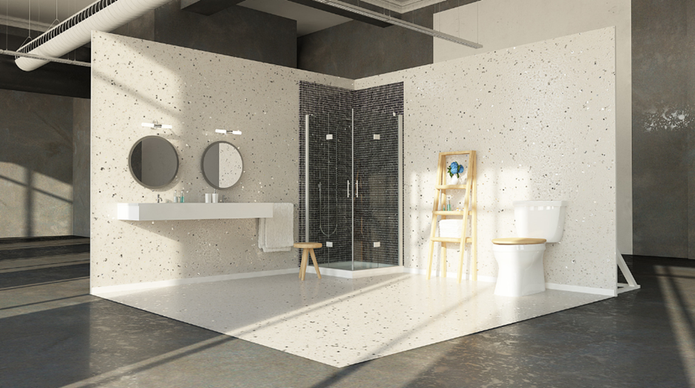

Choosing fixtures from photographs rarely ends well. Water pressure, handle weight, drawer glide, and finish tone all behave differently in person, which is why a visit to an Atlanta bathroom showroom carries more weight than an afternoon of browsing online. Not every showroom offers the same experience. Some function as warehouses with samples bolted to a wall, while others operate as working design studios staffed by specialists. Knowing which features separate the two makes a visit productive rather than merely pleasant.
Working Displays You Can Actually Operate
A photograph cannot tell you how a lever feels under the palm or how quietly a drawer closes. Live displays connected to water let you compare spray patterns, thermostatic response, and handle torque before committing to a finish that will stay in the room for a decade. Look for shower systems plumbed for demonstration, faucets mounted at counter height, and vanity units with functioning hardware. Ask which displays are live and which are dry-mounted before a walkthrough begins, since that difference determines how much a single visit can actually settle. Showrooms investing in working installations also tend to stock the lines they display, which shortens the gap between selection and delivery.
Range of Brands and Finish Availability
Breadth matters less than depth. A showroom carrying forty brands at one item each cannot help you build a coordinated room, while a shorter list of well-supported lines usually can. Ask how many finishes each collection offers and whether unlacquered brass, matte black, and brushed nickel are available across faucets, shower trim, and accessories from the same manufacturer. Consistent finish families across categories prevent the mismatched look that appears when trim pieces come from three different sources with three interpretations of the same color name.
Cabinetry and Fixtures Under One Roof
Bath projects rarely stay contained to one room. Homeowners planning a primary suite often reach a point where vanity construction, drawer interiors, and door profiles need the same attention given to plumbing. A showroom that also supplies custom kitchen cabinets in Atlanta can align door styles, finishes, and hardware across both spaces without forcing a second round of sourcing. That single point of coordination also reduces the risk of a vanity arriving in a stain that no longer matches cabinetry ordered months earlier.
Access to Trained Design Support
Product knowledge separates a consultant from a cashier. Certified designers and experienced showroom staff can flag rough-in dimensions, valve compatibility, and clearance requirements that a spec sheet buries in fine print. They also know which combinations have caused problems in past installations. Ask whether consultations are scheduled and unhurried, whether the same person follows a project from selection through delivery, and whether the team communicates directly with contractors. Continuity matters more than charm once questions start arriving from the job site.
Order Management and Trade Support
Selection is the enjoyable part. Everything after it determines whether a project stays on schedule. Confirm how lead times are quoted, how backorders are communicated, and who tracks freight once an item ships. Trade programs, builder pricing, and designer accounts signal a business accustomed to working alongside professionals rather than only walk-in traffic. Written order acknowledgments listing model numbers and finishes matter here too, since they prevent the disputes that surface when a shipment arrives during framing inspection. A showroom willing to put delivery expectations in writing is usually one that meets them.
Conclusion
A showroom visit should answer questions rather than multiply them. Working displays, well-supported product lines, coordinated cabinetry and fixture selection, knowledgeable staff, and disciplined order management together separate a genuine design partner from a display floor. Comparing those five areas turns a browsing trip into a decision-making session and gives every professional on the project the specifications they need. Homeowners who evaluate a showroom with the same care they apply to the products themselves usually finish with a room that performs as beautifully as it photographs.