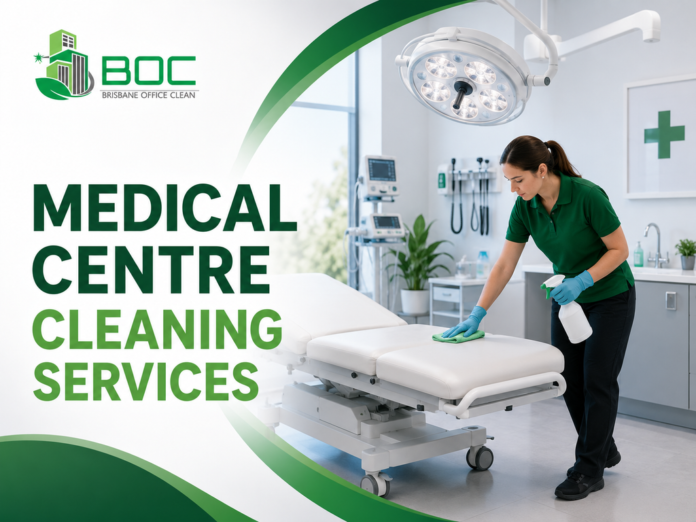

Medical centres, clinics, and healthcare facilities operate under a completely different standard of hygiene compared to a typical office or retail space. Patients walking through the door are often unwell, immuno compromised, or recovering from illness, which makes cleanliness a matter of patient safety rather than simple presentation. For clinic managers and practice owners in Brisbane, understanding exactly what medical centre cleaning services include is essential before choosing a provider.
This guide breaks down the full scope of professional medical centre cleaning, the standards involved, how it differs from general commercial cleaning, and what Brisbane clinics should look for in a cleaning partner.
Why Medical Centre Cleaning Is Different
Standard office cleaning focuses on appearance and general hygiene. Medical centre cleaning, on the other hand, is built around infection control. A GP clinic, dental practice, or specialist centre deals with bodily fluids, medical waste, and a constant flow of patients who may be carrying infectious illnesses.
Because of this, medical centre cleaning services follow stricter protocols than general commercial cleaning, often guided by healthcare hygiene standards and infection control guidelines used across Australian medical facilities.
Key differences include:
- Use of hospital-grade disinfectants rather than standard cleaning chemicals
- Colour-coded cleaning equipment to prevent cross-contamination between areas
- Specific protocols for cleaning consultation rooms between patients
- Careful handling and disposal of clinical waste and sharps
- Higher frequency cleaning of high-touch surfaces such as door handles and reception counters
- Staff trained specifically in infection control procedures
What Do Medical Centre Cleaning Services Include?
A comprehensive medical centre cleaning service typically covers several distinct zones within a facility, each with its own cleaning requirements. Below is a breakdown of what is usually included.
1. Reception and Waiting Room Areas
This is the first space patients see, and also one of the highest traffic areas in any clinic. Cleaning here usually includes:
- Wiping down reception counters and patient sign-in areas
- Disinfecting chairs, armrests, and shared surfaces
- Cleaning toys or reading materials in family-friendly waiting areas
- Vacuuming or mopping floors
- Emptying bins and replacing liners
2. Consultation and Treatment Rooms
These rooms require the highest level of attention since they are used directly for patient examinations and procedures. Services typically include:
- Disinfecting examination beds and adjustable tables between patient visits where required
- Cleaning and sanitising medical equipment surfaces, excluding sterile instruments handled by clinical staff
- Wiping down desks, chairs, and cabinetry
- Disposing of general waste and coordinating with clinical staff for medical waste disposal
- Floor cleaning with hospital-grade disinfectant solutions
3. Bathrooms and Amenities
Cleaning medical centre bathrooms requires a higher standard than a typical office bathroom, given the risk of contamination. This usually involves:
- Full disinfection of toilets, sinks, and surfaces
- Restocking soap, paper towels, and toilet paper
- Cleaning and sanitising taps, door handles, and light switches
- Mopping floors with disinfectant solutions
- Regular checks throughout the day in high-traffic clinics
4. Staff Areas and Break Rooms
Behind-the-scenes spaces still need regular attention to maintain overall hygiene standards across the facility:
- Kitchen and break room sanitising
- Cleaning staff bathrooms and change areas
- Wiping down shared appliances such as microwaves and fridges
- General tidying and waste removal
5. Corridors, Lifts, and Common Areas
For larger medical centres or those located within shared buildings, common areas also require regular cleaning:
- Vacuuming and mopping corridors
- Disinfecting lift buttons and handrails
- Cleaning glass doors and entryways
- Dusting signage and directory boards
6. Specialised Infection Control Cleaning
Some medical centres, particularly those handling higher risk patients, require additional infection control measures such as:
- Terminal cleaning after a patient with a known infectious illness has been treated
- Use of hospital-grade disinfectants approved for use in healthcare settings
- Fogging or electrostatic disinfection in higher risk facilities
- Strict waste segregation for clinical and sharps waste
Medical Centre Cleaning vs General Commercial Cleaning
The table below outlines how medical centre cleaning services typically compare to standard commercial cleaning.
| Feature | Medical Centre Cleaning | General Commercial Cleaning |
| Cleaning products used | Hospital-grade disinfectants | Standard commercial cleaning products |
| Staff training | Infection control certified | General cleaning training |
| Cleaning frequency | Multiple times daily in high-risk areas | Daily or a few times per week |
| Waste handling | Includes clinical and sharps waste protocols | General waste only |
| Equipment | Colour coded, zone specific tools | Shared equipment across the site |
| Focus | Infection prevention and patient safety | General hygiene and presentation |
| Compliance requirements | Healthcare hygiene standards | Workplace health and safety only |
How Often Should a Medical Centre Be Cleaned?
Cleaning frequency depends on the size of the facility, patient volume, and the type of services provided. The table below gives a general guide used by many medical centre cleaners in Brisbane.
| Area | Recommended Frequency |
| Reception and waiting room | Multiple times daily |
| Consultation rooms | Between each patient, plus a full clean daily |
| Bathrooms | Multiple times daily, with spot checks |
| Staff break rooms | Daily |
| Common areas and corridors | Daily |
| Deep clean or terminal clean | Weekly, or immediately after infectious cases |
Clinics with higher patient volumes, such as busy GP practices or urgent care centres, often require more frequent cleaning throughout the day rather than a single scheduled clean.
Choosing Medical Centre Cleaners in Brisbane
Not every cleaning company is equipped to handle the specific demands of a healthcare environment. When comparing medical centre cleaning services Brisbane providers, practice managers should consider the following:
- Healthcare-specific experience. Look for a provider with a proven history working in clinics, medical centres, or hospitals, rather than general office cleaning only.
- Staff training and certification. Ask whether cleaning staff are trained in infection control procedures and safe handling of clinical waste.
- Compliance knowledge. A reliable provider should understand relevant healthcare hygiene standards used across Australian medical facilities.
- Flexible scheduling. Many clinics need cleaning outside of patient hours, such as early morning or after the last appointment of the day.
- Use of appropriate products. Confirm they use hospital-grade, healthcare-approved disinfectants rather than standard commercial products.
- Reporting and accountability. Ask if they provide cleaning logs or checklists, which can be useful for compliance audits and accreditation requirements.
- Ability to respond quickly. Spills, accidents, or infectious cases can happen at any time, so a responsive provider is important for a medical setting.
Cost Considerations for Medical Centre Cleaning in Brisbane
Pricing for medical centre hospital cleaning services in Brisbane depends on several factors:
- Size of the facility and number of consultation rooms
- Patient volume and required cleaning frequency
- Whether specialised infection control cleaning is needed
- Staff training requirements and certifications held by the cleaning team
- Products used, since hospital-grade disinfectants can cost more than standard cleaning chemicals
Most providers will conduct an on-site assessment before quoting, since medical centres vary significantly in layout, patient flow, and specific hygiene requirements.
Brisbane Office Clean
Many medical centres also include administrative offices, staff rooms, and back of house spaces that sit outside the clinical zones, and these areas still benefit from a standard Brisbane office clean alongside the healthcare-specific cleaning protocols used in patient-facing areas.
A typical Brisbane office clean for these spaces includes:
- Dusting desks, shelves, and workstations
- Vacuuming carpets and mopping hard floors
- Sanitising kitchens, break rooms, and shared surfaces
- Cleaning and restocking bathrooms
- Emptying bins and replacing liners
- Wiping down meeting room tables, phones, and door handles
Many practice managers in Brisbane prefer to bundle their administrative office cleaning together with their medical centre cleaning services, so the entire facility, from consultation rooms to the back office, is maintained under one consistent schedule and by a single accountable provider
Frequently Asked Questions
What is included in medical centre cleaning services? Medical centre cleaning typically includes reception and waiting room cleaning, disinfection of consultation and treatment rooms, bathroom sanitising, staff area cleaning, and specialised infection control procedures such as terminal cleaning.
How is medical centre cleaning different from office cleaning? Medical centre cleaning follows stricter infection control protocols, uses hospital grade disinfectants, and requires staff trained specifically in healthcare hygiene standards, unlike general commercial cleaning.
How often should consultation rooms be cleaned? Consultation rooms are generally cleaned and disinfected between each patient, with a full deep clean performed daily.
Do medical centre cleaners handle clinical waste? Cleaning staff typically manage general waste, while clinical and sharps waste disposal is usually coordinated closely with clinical staff following specific healthcare protocols.
Final Thoughts
Choosing the right medical centre cleaning service in Brisbane is not just about keeping a facility looking tidy. It plays a direct role in infection control, patient confidence, and regulatory compliance. Clinics should look beyond price alone and focus on a provider’s healthcare experience, staff training, and ability to maintain consistent hygiene standards across every part of the facility, from consultation rooms to bathrooms and shared spaces.
A well-maintained medical centre reflects the quality of care patients can expect the moment they walk through the door, making professional cleaning an investment in both safety and reputation.