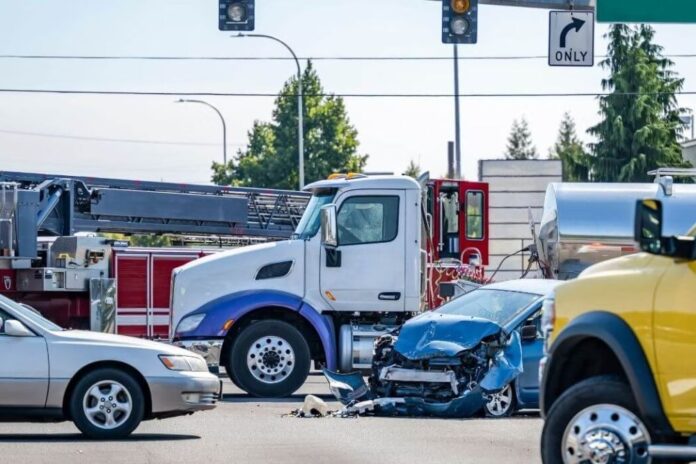

A truck accident can change your life in seconds. Along with physical injuries, you may face medical bills, missed work, vehicle repairs, and other costs that continue long after the crash. Speaking with a truck accident lawyer can help you understand what losses may be included in a claim and what evidence may be needed to support them.
Medical Expenses After a Truck Accident
Medical treatment is often one of the largest expenses following a truck accident. A serious collision may require emergency care, hospital treatment, surgery, medication, physical therapy, or follow-up appointments.
A compensation claim may account for medical expenses related to injuries caused by the crash. These costs can include ambulance transportation, emergency room treatment, hospital stays, diagnostic tests, prescriptions, rehabilitation, and other necessary care.
Future medical needs can also matter. Some injuries require ongoing treatment months or years after a truck accident. For example, a person with a serious spinal injury may need continued therapy, assistive equipment, or additional procedures.
Keeping medical records, bills, prescriptions, and appointment information can make it easier to document these losses.
Lost Wages and Missed Work
A truck accident can prevent an injured person from working for days, weeks, or much longer. Even a temporary absence can create financial pressure when regular household expenses continue.
Compensation may include income lost because of time missed from work after the accident. Pay records, employment documents, and information from an employer may help establish the amount of lost income.
Some injuries can also affect a person’s ability to return to the same job. A serious truck accident may result in permanent physical limitations that make certain work duties difficult or impossible.
In these situations, a claim may involve reduced future earning capacity. The amount depends on factors such as the person’s occupation, income, skills, age, work history, and the effect of the injury on future employment.
Future Medical and Rehabilitation Costs
Not every loss from a truck accident appears in the first few weeks. Some injuries require years of treatment and rehabilitation.
A person may need physical therapy, occupational therapy, counseling, home health services, medical equipment, or additional surgery. Severe injuries may also require changes to a home or vehicle.
Estimating these future expenses can be important when negotiating a settlement or presenting a claim. Medical opinions and other professional evidence may help explain what treatment is reasonably expected and what it may cost.
The Federal Motor Carrier Safety Administration maintains safety rules and information concerning commercial motor carriers and drivers. Records connected to a truck accident may also help establish what happened before the collision.
Property Damage
A truck accident can cause extensive damage to a passenger vehicle. A collision involving a large commercial truck may crush body panels, damage the frame, break windows, or destroy the vehicle completely.
A claim may include reasonable costs associated with repairing or replacing damaged property. Depending on the circumstances, other personal belongings damaged in the crash may also be considered.
Keep photographs of the vehicle, repair estimates, towing bills, rental car expenses, and other related records. These documents can help show the financial effect of the accident.
Pain and Suffering
The financial losses from a truck accident are only part of the picture. An injured person may also experience physical pain, emotional distress, reduced mobility, sleep problems, or difficulty enjoying normal activities.
Pain and suffering damages are intended to address these non-financial effects. Unlike a hospital bill or paycheck, these losses do not come with a simple price tag.
The seriousness of the injury, recovery time, permanent limitations, and effect on everyday life can all be relevant when evaluating this part of a claim.
For example, someone who previously enjoyed sports, outdoor activities, or spending time with family may no longer be able to participate in those activities after a serious truck accident. Those changes can become an important part of understanding the full impact of the injury.
Disfigurement and Permanent Disability
Some truck accident injuries leave lasting scars, physical changes, or disabilities. These effects can influence work, relationships, daily activities, and personal independence.
A claim may seek compensation for the lasting impact of these injuries. Medical records, photographs, treatment history, and testimony about changes in daily life may help document the consequences.
Permanent injuries can also increase future medical and living expenses. A person may require mobility equipment, home modifications, personal assistance, or other services.
Out-of-Pocket Accident Costs
Smaller expenses can add up quickly after a truck accident. Transportation to medical appointments, prescription costs, medical equipment, household assistance, and other reasonable accident-related expenses may create additional financial strain.
These costs can be easy to overlook because they may not appear on one large bill. Keeping receipts and maintaining a simple record of accident-related spending can help preserve evidence of these losses.
Loss of Quality of Life
A truck accident can affect more than a person’s finances. Injuries may make it difficult to participate in hobbies, family activities, social events, or everyday routines.
When an injury changes how someone lives, that impact may be considered as part of the overall claim. A person who can no longer perform activities they enjoyed before the accident may experience a significant reduction in quality of life.
Family members may also notice changes in the injured person’s personality, independence, or ability to participate in normal activities.
What Evidence Can Support a Claim
Evidence can play an important role after a truck accident. Useful records may include medical documents, photographs, police reports, witness information, employment records, vehicle repair estimates, insurance correspondence, and receipts for accident-related expenses.
Commercial truck cases can also involve records connected to the driver and trucking company. Federal regulations address areas such as driver hours, vehicle maintenance, and supporting documents. The FMCSA explains that certain records used to verify driver duty status can include dispatch records, trip records, bills of lading, electronic communications, and payroll records.
Because some records may not remain available indefinitely, preserving evidence soon after a truck accident can be important.
Insurance and Settlement Considerations
Insurance companies may investigate a truck accident before deciding whether to make an offer. Their representatives may review medical records, accident reports, photographs, statements, and other evidence.
An early settlement offer may not always account for future medical care, long-term income losses, or the full effect of an injury. Before accepting an offer, it is important to understand what losses it is intended to cover.
A truck accident claim can involve several parties depending on the circumstances. The driver, trucking company, vehicle owner, maintenance provider, or another party may have a role in the events leading to the crash.
Determining responsibility requires reviewing the available evidence rather than assuming that the first version of events tells the complete story.
Building a Complete Compensation Claim
The value of a truck accident claim depends on the facts of the individual case. Injury severity, medical treatment, lost income, property damage, long-term effects, available insurance coverage, and evidence of responsibility can all affect what compensation may be available.
The most important step is to document losses carefully and avoid overlooking future costs. Medical bills and lost wages may be easier to calculate, but long-term treatment, reduced earning ability, pain, and lifestyle changes can also have a major impact.
A careful review of the available evidence can help identify the full range of losses connected to a truck accident. Rather than focusing only on immediate expenses, an injured person should consider how the crash may affect health, work, finances, and daily life in the months and years ahead.