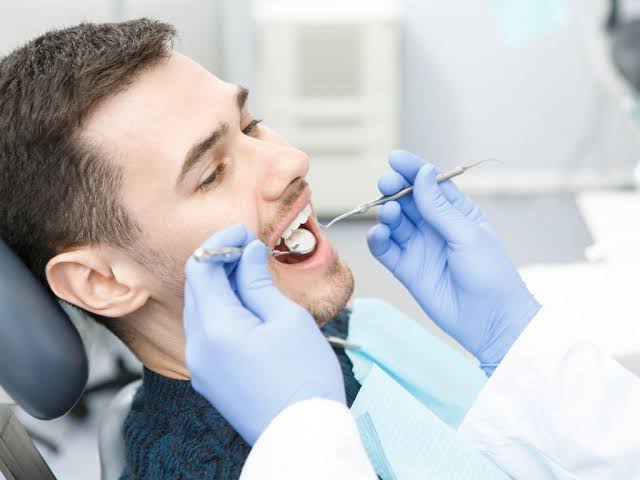

Pus around a dental implant should not be ignored because it can indicate inflammation or infection affecting the tissues around the implant. Although implants are designed to provide a stable replacement for missing teeth, the surrounding gums still require careful maintenance. Changes such as swelling, tenderness, bleeding or an unpleasant taste may signal that professional assessment is needed. Understanding the possible causes can help you recognise concerning symptoms early and seek appropriate care before the condition becomes more difficult to manage.
Why Might Pus Develop Around an Implant?
A dental implant is placed into the jawbone and connected to a restoration above the gum. Plaque can still build up in the surrounding tissues and cause inflammation. Pus is generally associated with an inflammatory or infectious process. Possible contributing factors include inadequate plaque removal, gum inflammation, food trapped around the restoration or an issue affecting the tissues supporting the implant. For patients considering dental implants Oldham, understanding the importance of proper hygiene and regular dental reviews can help support the long-term health of their implant. A dental examination is important for assessing the implant, surrounding gum tissues, and supporting bone.
Could It Be Peri-Implantitis?
Peri-implantitis is an inflammatory condition affecting the tissues around a dental implant, which can result in the loss of supporting bone. It can develop when inflammation around the implant progresses and becomes more severe.
Possible warning signs include:
- Red or swollen gum tissue
- Bleeding during cleaning
- Tenderness around the implant
- Persistent bad taste or breath
- Pus or discharge
- Increasing discomfort
- Changes in the stability of the restoration
Early evaluation can help determine the extent of inflammation and whether treatment may be required.
How Is It Different From Early Gum Inflammation?
Inflammation around an implant can occur without significant bone loss. This may be referred to as peri-implant mucositis. If managed appropriately, the condition may be reversible. If inflammation progresses and begins affecting the supporting bone, the situation becomes more serious. Regular professional monitoring is therefore important even when symptoms appear relatively mild.
Can Poor Oral Hygiene Cause Problems?
Plaque can build up around a dental implant in much the same way as it does around natural teeth. If it is not removed effectively, bacteria can irritate the surrounding gum tissue. Cleaning around an implant requires attention because its shape and restoration can create areas where food debris and plaque accumulate. Your dental professional can recommend suitable brushes, interdental cleaning methods or other products according to your individual needs. Routine hygiene appointments can help monitor the condition and health of the tissues surrounding the implant.
Could Food Become Trapped Around the Implant?
Food particles can sometimes become lodged around an implant-supported restoration. Ongoing plaque accumulation can contribute to irritation and make effective plaque control more challenging. If you repeatedly notice food collecting in the same area, mention it during a dental appointment. The restoration and surrounding tissues can be checked to determine whether its shape, fit or position requires attention. Do not use sharp objects to remove trapped food, as this may injure the gums.
What Happens During an Implant Assessment?
A dental professional will usually examine the area around the implant and ask about your symptoms. They may check for signs of swelling, bleeding, tenderness, discharge, or changes to the restoration.
Depending on the findings, further assessment may include:
| Assessment | Purpose |
| Gum examination | Checks the condition of tissues around the implant |
| Implant stability assessment | Determines whether the implant or restoration has changed |
| Bite evaluation | Identifies excessive pressure on the restoration |
| Dental imaging | Assesses supporting structures when required |
| Plaque assessment | Identifies areas that may need improved cleaning |
These checks help determine whether the issue involves the soft tissues, restoration or supporting bone. If symptoms are sudden or particularly uncomfortable, an emergency dentist in Oldham can assess the area and determine whether urgent treatment is required.
When Should You Seek Urgent Dental Advice?
Pus should not be treated as a normal part of implant healing, particularly when it develops after the initial recovery period. If you notice discharge around the implant, increasing swelling, or persistent discomfort, contact a dental professional promptly.
An emergency dentist in Oldham can assess sudden symptoms and determine whether urgent care is appropriate. You should seek immediate medical attention if severe swelling affects breathing or swallowing. Do not attempt to drain an area of swelling yourself. This can cause additional tissue injury and does not address the underlying cause.
How Can Implant Problems Be Reduced?
Long-term implant care relies on effective daily hygiene and professional monitoring. Useful measures include:
- Brush the teeth and implant restoration carefully twice daily.
- Clean carefully between your teeth and around the implant according to your dental professional’s advice.
- Attend recommended dental and hygiene appointments.
- Report bleeding, swelling, discharge or discomfort promptly.
- Follow the care instructions provided after implant treatment.
Regular monitoring is particularly important because some implant-related problems may develop before significant symptoms become obvious.
Can Dental Implants Be Treated If Problems Develop?
The appropriate treatment depends on what has caused the inflammation and how advanced the problem is. Mild soft-tissue inflammation may be managed through professional cleaning and improved home care. More advanced conditions may require additional treatment to control infection and inflammation. In some circumstances, the restoration may need to be adjusted or removed temporarily to improve access to the affected area. Dental implants Oldham patients have may therefore require different approaches depending on the condition of the surrounding tissues. Professional assessment is essential before deciding what treatment is appropriate.
What Should You Do If You Notice Pus?
Do not ignore discharge simply because the implant itself feels stable. Inflammation can develop in the tissues around a dental implant before any noticeable changes are seen in the implant or restoration. If you have dental implants in Oldham and are experiencing concerns, arrange a professional examination. Be prepared to explain when the symptoms began, whether you have noticed any bleeding or swelling, and whether the symptoms have changed or worsened over time.
Conclusion
Pus around a dental implant can be associated with inflammation, infection, plaque accumulation, or problems affecting the surrounding tissues. It should not be ignored, particularly when accompanied by swelling, bleeding, tenderness, or persistent discomfort. Prompt assessment can help identify the underlying issue and determine the appropriate course of care. Maintaining thorough oral hygiene and attending regular reviews are also important for protecting implant-supported restorations over time. Good Dentist can provide a professional assessment when concerns develop around a dental implant.