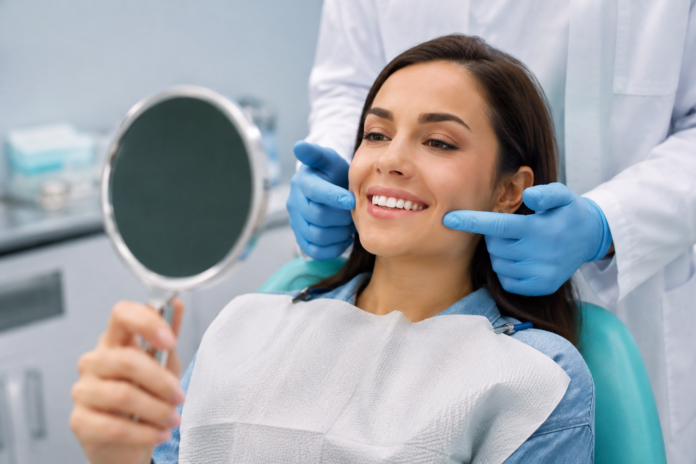

Cosmetic dentistry can change the appearance of teeth, but choosing a treatment involves more than choosing a shade or showing a dentist a photograph. The best starting point is to understand what bothers you, what is causing it, and what you would be willing to maintain over time. For Australians considering a smile change, a careful consultation can help separate achievable improvements from expectations that no treatment can reliably meet.
Start with the result you want
Try to describe the feature you want to change rather than arriving with a procedure already chosen. Is the concern colour, a chipped edge, uneven spacing or the way your teeth show when you smile? Different concerns call for different approaches, and sometimes no treatment is the most sensible choice. Ask how the proposed result would look alongside your natural teeth and whether a smaller change could meet your goal.
Photographs can help explain your preferences, but they cannot predict your result. Tooth shape, bite, gum health and existing dental work all affect what may be possible.
Understand what the common options involve
Cosmetic dentistry is a broad label, not a single treatment. The details matter because options differ in cost, reversibility and upkeep.
- Whitening may lighten some natural teeth, but it will not change the colour of fillings, crowns or veneers. Sensitivity and uneven results are worth discussing.
- Bonding uses tooth-coloured material to alter shape or repair minor damage. It may need polishing or replacement as it wears or stains.
- Veneers and crowns can make substantial changes to appearance. Depending on the case, preparation may involve removing natural tooth structure, which cannot simply be put back.
- Orthodontic treatment can move teeth rather than cover them. It usually takes longer and may require retainers afterwards to help maintain the result.
A dentist may suggest combining approaches, but more treatment is not automatically better. Ask why each step is necessary and what would happen if you did less.
Put oral health ahead of appearance
A cosmetic change should not distract from decay, gum disease, a painful tooth or problems with your bite. These issues may affect which treatments are suitable and how long the result lasts. An examination, and any clinically appropriate tests or images, can reveal concerns that a photograph or online consultation cannot. If you have pain, swelling or signs of infection, seek dental advice promptly rather than treating the issue as a cosmetic decision.
It is also worth discussing habits that may affect a result. Grinding, smoking, frequent acidic drinks and inconsistent cleaning can all matter. A realistic plan accounts for your teeth as they are now, not just how you hope they will look.
Check who will provide the care
In Australia, you can check a dental practitioner’s registration on the Australian Health Practitioner Regulation Agency’s public register. Registration is a useful starting point, but it does not tell you whether a proposed treatment is right for you. Ask who will perform each part of the work, what experience they have with the procedure and how they manage complications or follow-up care.
When comparing providers, a practice website such as Tulip Smile may help you prepare questions. It should not substitute for an individual assessment or a clear explanation of your options. Be cautious about relying on social media images alone, particularly when lighting, editing and the patient’s starting point are unclear.
Get clear on costs before agreeing
Request a written treatment plan and an itemised estimate. Find out whether the price includes consultations, scans, temporary restorations, laboratory work, reviews and any likely maintenance. Ask what could change the estimate if the dentist finds a problem or the treatment plan needs revising.
Medicare generally does not cover routine adult cosmetic dental care. Private health insurance benefits depend on your policy, applicable waiting periods, limits and the treatment provided. Check directly with your insurer using the relevant item numbers; a quoted rebate is not a guarantee of payment. If payment plans are offered, read the terms carefully and consider the total cost, not just the instalment amount.
Make consent a conversation
Before deciding, ask about the likely benefits, meaningful risks, alternatives and the option of doing nothing. You should understand which changes are reversible, whether healthy tooth structure will be removed, what discomfort or recovery to expect, and what might happen if the result does not meet your expectations. No practitioner can promise that a treatment will look or last exactly as hoped.
If the plan involves several teeth or a substantial expense, it is reasonable to take time to consider it or seek an independent second opinion. Ask to see an explanation of the proposed shape and shade, and clarify what opportunities you will have to provide input before final restorations are fitted.
Think beyond the first appointment
Cosmetic work still needs everyday care and dental reviews. Whitening may need repeating; bonding can chip; restorations may eventually require repair or replacement. The timing varies with the treatment and the individual, so ask about likely maintenance rather than assuming the initial cost is the full cost. Keep copies of your treatment plan and ask whom to contact if something feels uncomfortable after an appointment.
A useful final question is simple: Would I still choose this if I understood the upkeep and the less invasive alternatives? A decision that holds up after that conversation is more valuable than one made under pressure to transform your smile quickly.