
Key Takeaways
- Cold water, unusual noises, rusty water, and moisture around the unit can each point to different water heater problems.
- The timing and pattern of a problem can help narrow down the cause before service is scheduled.
- Active leaks, gas odors, burning smells, and electrical damage require prompt professional attention.
- Peoria’s hard water and hot climate can influence water heater performance and maintenance needs.
- A repair or replacement decision should consider the failed component, tank condition, age, and recent repair history.
Water heaters tend to work quietly in the background until a shower goes cold or water appears on the garage floor. For homeowners dealing with changing hot water performance, timely water heater repair in Peoria AZ, can help identify the actual cause instead of relying on guesswork.
In Peoria, a water heater may be installed in a garage, utility room, exterior closet, or another out-of-the-way location. That makes it easy to miss early clues such as a longer wait for hot water, a faint rumbling sound, or a small, damp area near the base of the unit. Paying attention to those changes can help prevent a more disruptive loss of hot water or water damage later.
Common Signs That Deserve Attention
1. Water That Turns Cold Too Soon
A shower that starts hot but quickly turns cold is different from water that never heats up at all. A shortened hot-water supply may be related to household demand, mineral buildup in the tank, a thermostat issue, an electric heating element problem, or a gas burner issue. Note whether the problem happens at every fixture, only at one shower, or mainly during busy times of day. Those details can help distinguish a water heater issue from a fixture-specific plumbing problem.
2. Popping, Rumbling, or Banging Sounds
Tank-style water heaters can make popping or rumbling sounds when mineral sediment collects at the bottom of the tank. The sound itself does not prove the unit has failed, but new or worsening noise should not be ignored when it occurs with slow recovery times or reduced hot-water capacity. A service professional can determine whether maintenance, a component repair, or a broader evaluation is appropriate.
3. Rust-Colored or Cloudy Hot Water
If discoloration appears only when hot water is running, the water heater or connected hot-water piping may deserve inspection. Check a cold-water fixture as well. Clear cold water with discolored hot water provides a useful clue, while discoloration at both may indicate a different plumbing or water-supply concern. Sudden changes in water color, odor, or clarity are especially important to document.
4. Moisture Around the Unit
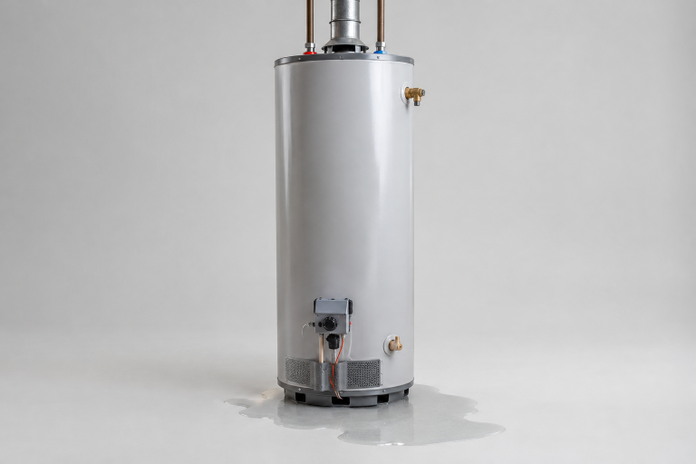
Not every wet spot means the tank itself is leaking. Condensation, a loose pipe connection, a relief valve discharge, or a leaking drain valve can all leave water near the heater. Still, recurring water at the base of a tank is a reason to act promptly. Move nearby stored items away from the area, protect the flooring where possible, and arrange an inspection before moisture reaches walls, cabinets, or belongings.
Quick Checks Homeowners Can Make Safely
- Look for water around the heater, drain pan, nearby pipes, valves, and fittings.
- Check whether the issue affects hot water only or both hot and cold water.
- Listen for unfamiliar sounds while the unit is heating.
- Write down any error code displayed on a tankless water heater.
- Find the manufacturer label and note the model number and approximate installation date.
- Clear a safe path around the equipment so it can be inspected without moving stored materials.
Homeowners should avoid removing access panels, adjusting gas controls, or working on electrical connections without the proper training. A quick visual check and good notes are useful. Internal repairs should be left to qualified technicians.
When a Water Heater Problem Becomes Urgent
Some water heater symptoms call for faster action than others. Arrange prompt help if there is active leaking or pooling water, a continuing discharge from the temperature and pressure relief valve, a burning odor, melted wiring, scorch marks, or spreading water damage. A strong gas odor or signs of combustion trouble should be treated as a safety issue rather than a repair project.
For gas-related concerns, leave the area when necessary, avoid flames and electrical switches, and contact the appropriate utility or emergency service. Households with fuel-burning equipment should also follow home heating safety advice that addresses combustion hazards and carbon monoxide protection.
How Peoria Conditions Can Affect Water Heater Performance
Water heater performance is affected by more than the appliance itself. Mineral content in the water, incoming water temperature, household size, fixture use, and water pressure can all influence what homeowners notice at the tap. Peoria residents can compare common plumbing issues with the City of Peoria’s water pressure and hardness guidance before assuming the heater is the only possible cause.
For example, low pressure at every hot and cold fixture may indicate an issue beyond the water heater. On the other hand, a problem isolated to hot water, especially when paired with reduced temperature or unusual noises, makes the heater and its connections more likely to be the cause. Careful diagnosis matters because similar symptoms can have very different causes.
Repair or Replace? Questions to Ask
Age is an important consideration, but it should not be the only one. A newer unit with a failed thermostat, heating element, igniter, or valve may be a reasonable candidate for repair. An older heater with corrosion, repeated breakdowns, or a leaking tank may warrant a discussion about replacement.
- What specific part failed, and is the tank still structurally sound?
- Has the unit required several repairs in a short period?
- Are replacement parts available for this model?
- Will the repair reasonably restore reliable performance?
- Would a different capacity or equipment type better fit the household’s demand?
Tank, Tankless, Gas, and Electric Systems
Tank water heaters store and maintain a supply of hot water, while tankless models heat water as it flows through the unit. Gas and electric systems also use different components and have different safety considerations. Neither setup is automatically right for every Peoria home. The best recommendation depends on the home’s demand, existing utility connections, equipment condition, installation requirements, and the cause of the current problem.
How to Prepare for a Service Visit
- Write down when the issue first appeared and whether it is getting worse.
- List all symptoms, including noises, odors, leaks, error codes, and changes in water color.
- Take clear photos of visible moisture, corrosion, labels, or display messages.
- Note whether one fixture or the entire home is affected.
- Share the model number, fuel type, and approximate age of the equipment.
Questions Homeowners Often Ask
Can a Water Heater Make Noise and Still Work?
Yes. A noisy heater may still produce hot water, but any new or worsening sounds should be evaluated when performance changes.
Is a Small Leak Safe to Ignore?
No. A small drip may come from a repairable connection, but it can also be an early warning of a larger issue. The source should be identified before water damage spreads.
Why Does Hot Water Run Out Faster Than Before?
Possible causes include mineral buildup, component failure, thermostat trouble, changing household demand, or an aging unit that is no longer performing as expected.
Conclusion
A cold shower, a rumbling tank, rusty hot water, or a damp floor may be part of a larger pattern. By noting what changed, checking the area safely, and seeking an accurate diagnosis early, Peoria homeowners can make more confident decisions about maintenance, repair, or replacement.