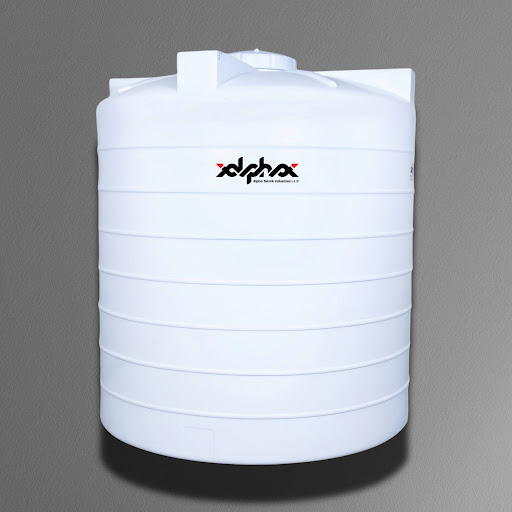

The UAE’s approach to water quality and safety in buildings is more regulated than most property owners realize. The assumption that buying a tank, connecting it, and moving on is all that is required misses a significant body of regulation that applies to water storage systems in residential, commercial, and industrial buildings across the country.
Understanding what these regulations require, who enforces them, and what happens when buildings are found not to comply is important information for any property owner, landlord, or facilities manager in the UAE.
The regulatory landscape varies slightly between emirates but the core requirements are consistent. Dubai Municipality is the primary authority for water-related regulations in Dubai, issuing guidelines and codes that cover tank materials, installation standards, cleaning schedules, and quality monitoring. In Abu Dhabi, the Department of Energy and ADDC, the Abu Dhabi Distribution Company, oversee water supply and building storage requirements. Sharjah and the northern emirates have their own municipal bodies with broadly similar requirements.
The first category of regulation covers materials. Water storage tanks used for potable water in the UAE must be manufactured from food-grade materials that are approved for contact with drinking water. This means food-grade polyethylene for plastic tanks and appropriate food-grade resin liners for GRP fiberglass tanks. The requirement to use food-grade materials is not just a manufacturer’s claim. It should be backed by certification documentation that the property owner can produce if requested during an inspection.
Using a tank that was previously used for chemical storage as a water tank is prohibited. Using recycled plastic tanks that cannot be certified as food-grade is also prohibited. The contamination risk from tanks manufactured using substandard or recycled materials is real, and the regulation exists because incidents of contamination through unsuitable tank materials have occurred in the region.
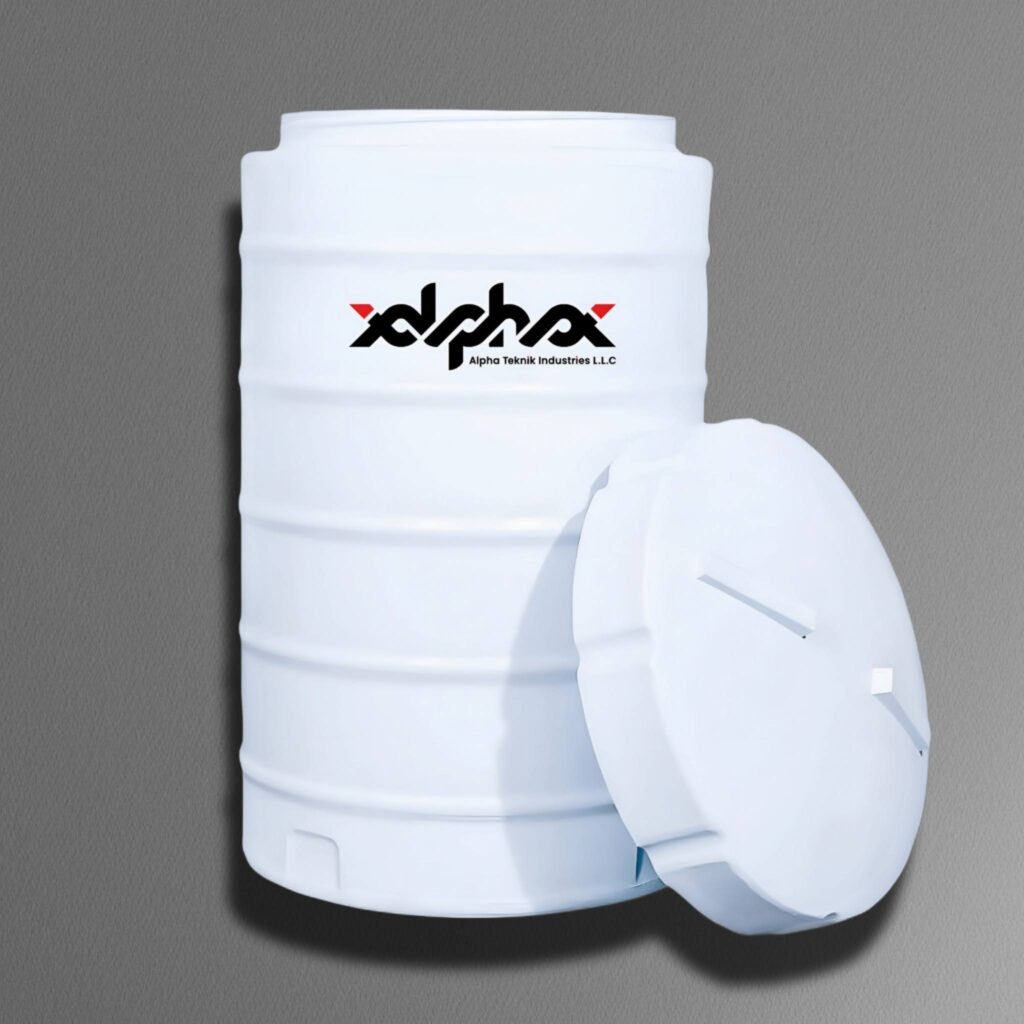
The second category covers tank covering and sealing. Potable water storage tanks must be covered and sealed against environmental contamination. Open-top tanks are not permitted. Loose or damaged lids that allow insects, dust, or other contaminants to enter are not compliant. The UAE’s desert environment, with fine dust that settles everywhere and insects that are present throughout the year, makes covered storage a genuine health necessity rather than merely a bureaucratic requirement.
Tank placement is regulated in terms of proximity to potential contamination sources. Tanks must not be located directly above electrical switchgear or distribution boards because a leak would create an electrical hazard. They must not be placed in the same space as chemical storage. In buildings where fuel storage tanks exist, appropriate separation distances apply.
The third and most actively monitored category is maintenance. Dubai Municipality regulations require that potable water storage tanks be cleaned and disinfected at least every six months. This requirement applies to all tanks used for potable water supply, whether in residential villas, apartment buildings, hotels, hospitals, or commercial facilities.
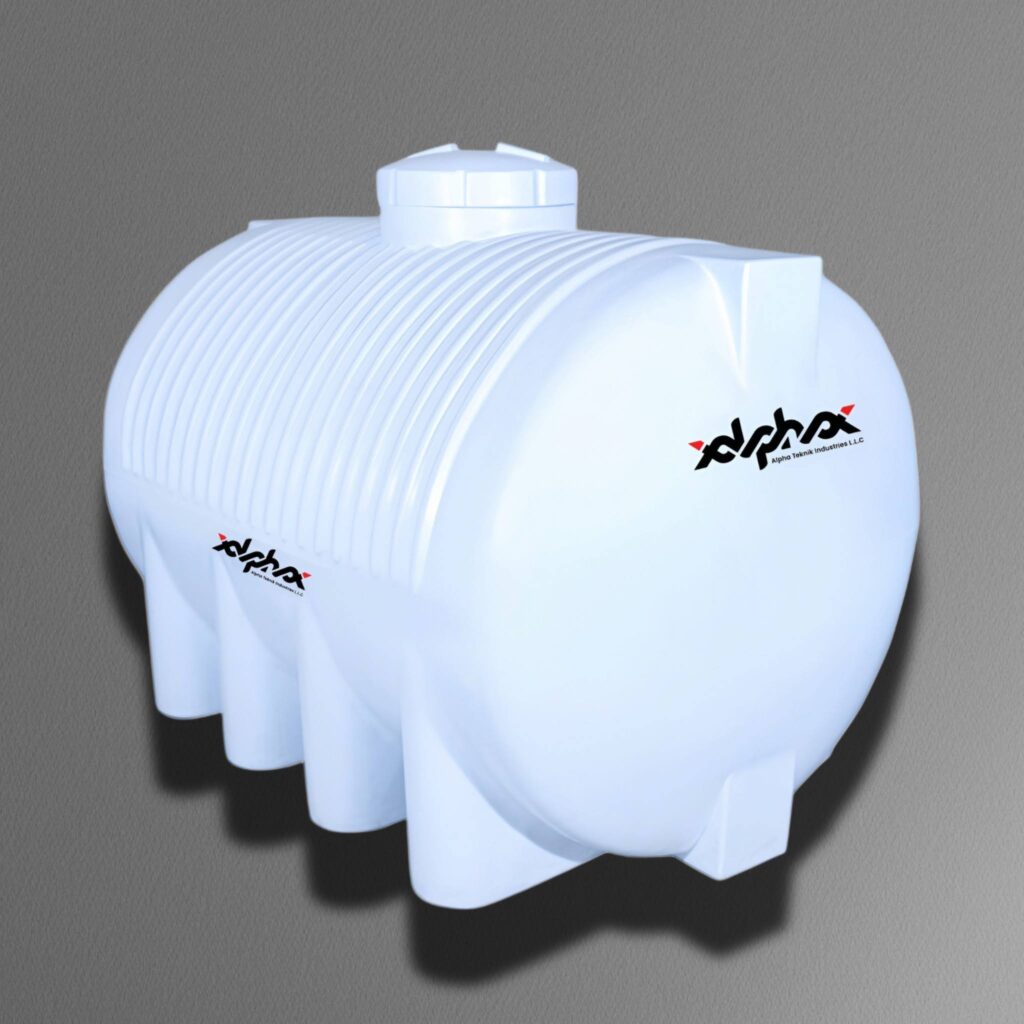
For large commercial and government buildings, the cleaning requirement is part of a broader maintenance compliance framework. Facilities management companies operating commercial buildings in Dubai and Abu Dhabi are expected to maintain records of tank cleaning, including dates, methods used, cleaning chemicals, and any water quality tests performed. These records can be requested during inspections and are used to demonstrate ongoing compliance.
The inspection regime varies by building type. Hotels, hospitals, schools, and other public buildings receive more frequent regulatory attention than private residential properties. However, private residential buildings are not exempt from requirements and can be inspected, particularly if a complaint about water quality is made, or if a water-related illness is reported. Selecting the right water tank material becomes critical, and a grp tank is another option.
The consequences of non-compliance range from improvement notices requiring corrective action within a specified timeframe to fines, with repeat or serious violations potentially resulting in water supply restrictions until compliance is achieved. For commercial properties, the reputational damage from a water quality incident or a documented compliance failure can be significant beyond the direct regulatory consequences.
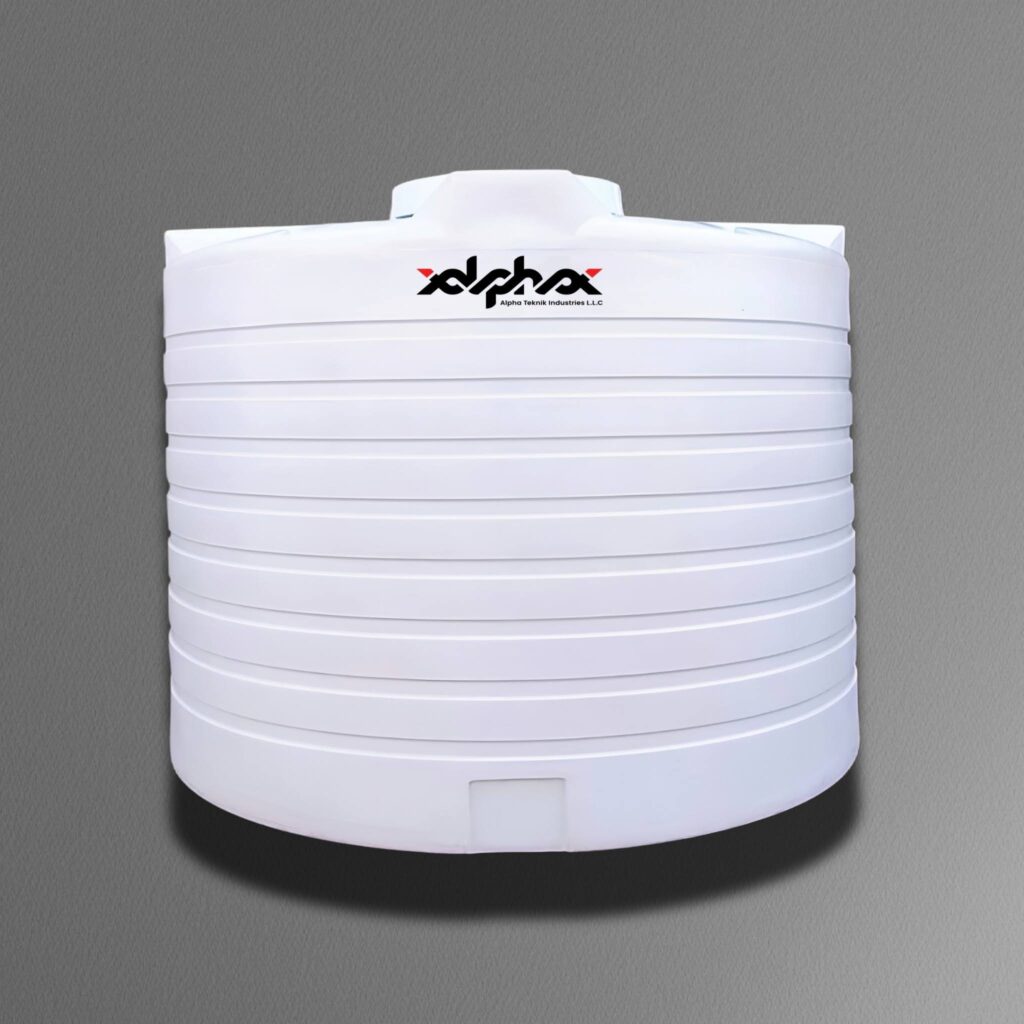
Fire suppression water reserves are a separate but related regulatory area. Most commercial buildings above a certain size in the UAE are required to maintain dedicated water reserves for fire suppression systems. These reserves are separate from the potable water supply and are sized according to fire engineering calculations based on the building’s floor area, occupancy type, and fire risk classification. The fire departments in Dubai and Abu Dhabi oversee compliance with fire suppression water requirements, which are enforced separately from municipal water quality regulations.
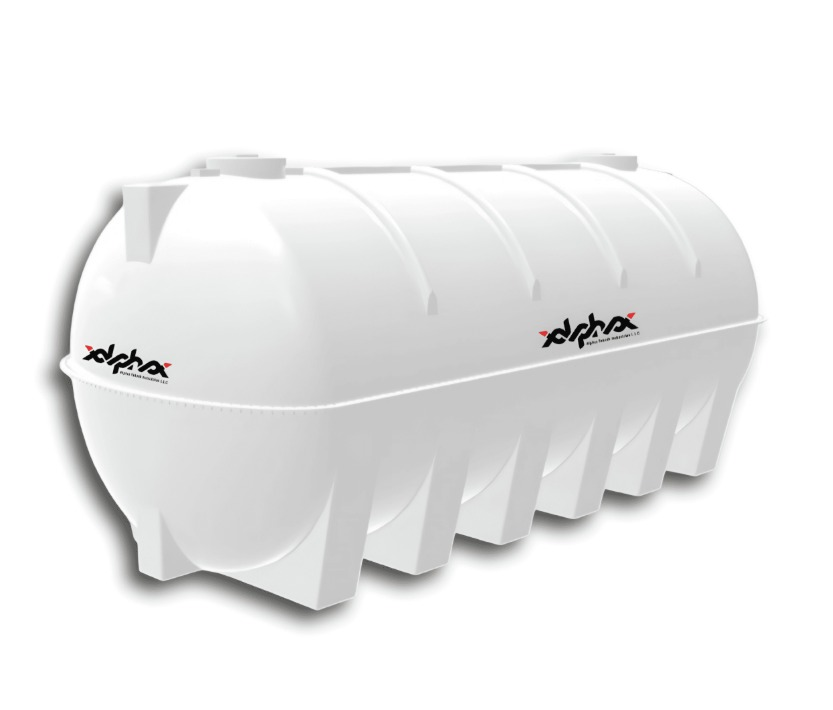
For property owners and developers, the most practical approach to regulatory compliance is to build a maintenance schedule into the building management system from day one, use certified food-grade tanks from reputable local manufacturers, work with installers who are familiar with municipal requirements, and keep documentation of all maintenance activities. Compliance in the UAE is not difficult when it is planned for. It becomes difficult only when it is ignored until an inspection forces the issue.
The regulatory framework around water storage in the UAE is designed with genuine public health intent. The specific requirements reflect the specific risks of the UAE environment. Following them is not a burden. It is simply good practice for anyone responsible for the water supply that other people depend on.