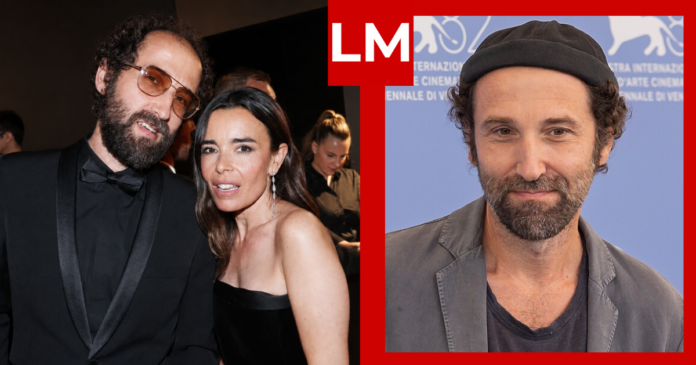

Thomas Bankalter is one of the most searched misspellings in electronic music history, yet it points to one of the genre’s most influential figures. In fact, the person behind this commonly misspelled name is Thomas Bangalter, born 3 January 1975, the French musician who shaped modern dance music as one-half of Daft Punk. With an estimated net worth between $90 million and $120 million as of 2026, his impact extends far beyond the iconic robot helmets. This article explores why the Thomas Bankalter spelling persists, the real story of Daft Punk Thomas Bangalter, his work with Thomas Bangalter band projects like Stardust, and the evolution of Thomas Bangalter songs from electronic hits to orchestral compositions.
The Name Confusion: Why Everyone Searches for Thomas Bankalter
The Most Common Misspelling in Electronic Music
Search engines worldwide register thousands of queries for “Thomas Bankalter” every month, making it one of electronic music’s most persistent misspellings. The correct spelling is Thomas Bangalter, yet the “Bankalter” variation continues to dominate social media searches and online discussions. This confusion stems from multiple factors, including the visual similarity between “g” and “k” in certain fonts and the way English speakers attempt to phonetically process French surnames.
The pronunciation debate adds another layer to the confusion. Fans constantly wrestle with whether to say “BangalTER” or “Bongaltay,” with many pronunciation websites suggesting “Bongaltay” or “Bongalteh” as closer to the French pronunciation. Some fans have even proposed “Bangalteyre” as an alternative. In French, his first name is pronounced “Tò-máh” rather than the English “TOM-us,” with collaborators like Giorgio Moroder and Todd Edwards using the French pronunciation in documentary footage.
How Social Media Spread the Wrong Name
Social media platforms accelerated the misspelling’s reach, with users typing “Thomas Bankalter” in posts, comments, and video descriptions without realizing the error. The anonymity Daft Punk maintained throughout their career inadvertently contributed to this problem. Most people know little about the members due to their career-long mission to obscure their personal lives. This information vacuum created fertile ground for mistakes to flourish unchecked.
The confusion reached its peak during the Thomas Bangalter hoax saga, where someone posed as the artist and successfully fooled Wolfgang Flür of Kraftwerk. The impersonator contacted Flür praising his work and requesting a signed album. Flür and his music partner Peter Duggal believed they were communicating with the real Thomas Bangalter and invited him to collaborate on space-themed tracks. The fake Bangalter agreed and submitted audio that was integrated into two tracks, allegedly using the alias “Thomas Vangarde” to cover their tracks. The deception went undetected for over two years before someone close to Daft Punk’s team confirmed that Thomas Bangalter had no involvement with the tracks.
Why the Spelling Mistake Stuck Around
The persistence of “Bankalter” reflects broader patterns in how misinformation spreads online. Once an error gains traction on social media, algorithms amplify it through autocomplete suggestions and related searches. Users who encounter the misspelling first often perpetuate it, creating a feedback loop that reinforces the incorrect version.
The pronunciation challenge plays a significant role in why the mistake endures. English speakers struggle with French phonetics, leading them to spell the name as they think it sounds. The debate over whether Guy-Manuel is pronounced “Guy” (as in male) or “Gie” (the French pronunciation) mirrors this same linguistic confusion. French speakers note that “Guy-Man” is pronounced “Gie-Moh” or “Gie-Mah,” depending on regional variations.
Despite widespread availability of correct information, the misspelling persists because casual fans outnumber dedicated followers who know the proper spelling. Search engines now recognize both versions, thus directing users to correct information regardless of their initial query. However, this accommodation may inadvertently validate the misspelling in users’ minds, ensuring “Thomas Bankalter” remains a permanent fixture in electronic music search history.
Who Thomas Bangalter Really Is: The Man Behind Daft Punk
Early Life and Musical Foundation in Paris
Born on 3 January 1975 in Paris, Thomas Bangalter entered a world already steeped in music and performance. His father, Daniel Bangalter, operated professionally under the name Daniel Vangarde, producing hits for acts like the Gibson Brothers, Ottawan, and Sheila B. Devotion. His mother, Thérèse Thoreux, worked as a classical dancer and choreographer, establishing an artistic environment that would shape his creative trajectory. Despite this heritage, Bangalter initially resisted following his father’s path, stating he never had any intention to pursue the same career.
Piano lessons began at age six with instruction from a Paris Opera staff member. His parents maintained strict practice requirements, a discipline he later acknowledged with gratitude for building his foundational skills. The family, while French Jewish, did not practice religion actively. Growing up in 1980s Paris exposed him to diverse musical influences ranging from disco and rock to early electronic experiments.
Meeting Guy-Manuel and Forming the Legendary Duo
The partnership that would define electronic music began in 1987 when Bangalter met Guy-Manuel de Homem-Christo at Lycée Carnot in Paris. Both students discovered their shared fascination with 1960s and 1970s films and music, particularly cult touchstones like Easy Rider and the Velvet Underground. This mutual interest led them to form Darlin’ with Laurent Brancowitz, an indie rock trio where Bangalter played bass guitar. He later reflected that forming a band felt like “a teenage thing” driven by the universal desire to be in a group.
A Melody Maker review dismissed their music as “a daft punky thrash,” providing unexpected inspiration. Rather than discouragement, Bangalter and de Homem-Christo found the critique amusing and adopted it as their new identity. The defining moment arrived on November 10, 1992, at a rave called Armistice held on the Pompidou Center rooftop. The event, organized by Richard Penny and featuring DJs like Darren Emerson and Andrew Weatherall, exposed them to a completely different musical atmosphere than rock concerts. They witnessed crowds enjoying unfamiliar music with genuine enthusiasm, an experience that proved transformative.
The Rise of Daft Punk Thomas Bangalter
Following his 18th birthday in January 1993, Bangalter used gift money to purchase electronic equipment including a Juno-106 synthesizer and Akai S01 sampler. His father contributed a Minimoog, and they assembled a makeshift studio on a trestle table in his bedroom, requiring him to move his bed to another room. In 1993, Bangalter presented a demo to Stuart Macmillan of Slam, resulting in their first single “The New Wave”. Daniel Vangarde provided guidance about the record industry’s mechanics, helping them make strategic choices to achieve their goals.
Creating the Iconic Robot Persona
Daft Punk initially avoided having their faces photographed by wearing various masks to photoshoots, though they performed most live shows unmasked during this period. Around 2000, they approached Hollywood prop-makers Alterian Inc. to manufacture their robot concept. Each helmet reportedly cost around $65,000, attributed to advanced technology and plating with actual gold and silver. Bangalter described the robot esthetic as exploring “the line between fiction and reality, creating these fictional personas that exist in real life”. The design drew inspiration from sci-fi glam traditions including Kraftwerk, Ziggy Stardust, and Kiss.
Thomas Bangalter Band Projects and Solo Career Beyond Daft Punk
While building Daft Punk’s reputation through the late 1990s and beyond, Bangalter maintained parallel creative outlets that revealed different facets of his musical identity.
Stardust and Music Sounds Better with You
Bangalter collaborated with Alan Braxe and Benjamin Diamond in 1998 to release “Music Sounds Better with You” under the name Stardust. The project originated from a performance at the Rex Club in Paris, where they composed the first version using a looped sample from Chaka Khan’s 1981 song “Fate”. The track was recorded at Bangalter’s home studio, Daft House, over six days using a Rhodes piano, Roland TR-909 drum machine, and other equipment.
Released initially on Bangalter’s Roulé label in early 1998, the single sold between 250,000 and 400,000 copies on the label alone before Virgin Records signed it for wider distribution. The song debuted at number two on the UK singles chart in August 1998, becoming the year’s 11th-bestselling single. It topped the Billboard Dance Club Play chart for two weeks and reached number 62 on the Billboard Hot 100. By 2018, worldwide sales exceeded two million copies.
Virgin Records offered Bangalter $3 million to produce a Stardust album. The group created several demos but abandoned them, choosing to preserve the single’s legacy rather than risk diluting it. Diamond wanted to continue, but Bangalter remained focused on Daft Punk.
The Roulé Record Label Era
Bangalter founded Roulé in 1995 as a French record label. He released his first EP, Trax On Da Rocks, that same year, with a second volume following in 1998. The label released singles by Romanthony, Roy Davis Jr., and other artists alongside Bangalter’s solo material. Songs including “Outrun,” “Extra Dry,” and “Turbo” from these EPs later appeared in the video game Midnight Club II.
Bangalter described Roulé’s philosophy distinctly: “Roulé’s never really been a ‘label.’ It’s been more of an outlet where there’s a record every year or so”. This approach differentiated it from conventional record labels focused on commercial planning. The label released only one full-length album, the Irréversible soundtrack in 2002. In December 2018, Bangalter liquidated Roulé.
Together and Other Collaborations
Together was a French house duo consisting of DJ Falcon and Bangalter. They released two songs on Roulé: “Together” in 2000 and “So Much Love to Give” in 2002. The second track reached number 71 on the UK singles chart in January 2003 when credited to Thomas Bangalter & DJ Falcon. It contained a sample of “Love’s Such a Wonderful Thing” by the Real Thing, which repeats throughout the song.
Film Scores and Soundtrack Work
Bangalter produced the score for Gaspar Noé’s film Irréversible, released in 2002. A soundtrack album featured Bangalter’s tracks alongside works by Gustav Mahler, Étienne Daho, and Beethoven. In 2010, he co-wrote the soundtrack for Tron: Legacy as part of Daft Punk.
In 2018, Bangalter worked with Noé again, providing two tracks for the film Climax, including the previously unreleased “Sangria”. He composed the original score for Quentin Dupieux’s film Daaaaaalí!, which premiered at the 2023 Venice Film Festival. For this soundtrack, Bangalter used only an ancient zither recorded in his Parisian studio. The release consists of two compositions available in limited 10″ format and digitally through Ed Banger Records.
Thomas Bangalter Songs and Musical Evolution After 2021
The Emotional Daft Punk Breakup
On February 22, 2021, Daft Punk released an eight-minute video titled “Epilog,” announcing their disbandment after 28 years. The clip, excerpted from their 2006 film Electroma, showed two robots meeting in the desert before one self-destructed. A timestamp of 1993-2021 marked the years they spent together. Their longtime publicist Kathryn Frazier confirmed the news but provided no further comment.
Bangalter later revealed the breakup stemmed from growing concerns about technology’s relationship with humanity. “As much as I love this character, the last thing I would want to be, in the world we live in, in 2023, is a robot”. He described Daft Punk as a project that blurred reality and fiction through robot characters, noting it was paramount not to spoil the narrative while it happened. The duo’s philosophy centered on using machines to express emotions that machines cannot feel, positioning themselves on the side of humanity rather than technology.
Mythologies: His First Major Solo Album
Following the split, Bangalter announced his first major solo project would be providing the score for a French ballet titled Mythologies, presented by Ballet Preljocaj. The 90-minute ballet premiered at the Grand Théâtre de Bordeaux in July 2022, featuring direction and choreography by Angelin Preljocaj with musical direction by Romain Dumas.
An album version arrived in April 2023 through Erato Records via Bangalter’s new solo label Alberts & Gothmaan. The 23-track instrumental score drew inspiration from Baroque compositions and American minimalism rather than the rock, house, and jazz influences behind Daft Punk. Bangalter composed the music without electricity, working directly on scoring paper. The project required 220 pages of notes to create 90 minutes of music.
Moving from Electronic Music to Orchestral Compositions
The shift from electronic to orchestral music represented a conscious philosophical choice. After three decades with synthesizers and drum machines, Bangalter found classical music’s constraints liberating. He explained that electronic music’s infinite sound palette became “troubling and disconcerting”. Writing for human musicians brought him “closer to human heartbeats”.
His concerns about artificial intelligence’s rise influenced this direction. However, Bangalter clarified he had no intention of permanently abandoning drum machines and synthesizers for future projects.
Recent Ballet and Art Installation Projects
In November 2023, Bangalter collaborated with artist JR and choreographer Damien Jalet on Chiroptera, an art project presented at the Place de l’Opera. The performance featured over 150 dancers in a cavernous structure, performed twice to the public for free. The soundtrack released in June 2024 digitally and August 2024 on vinyl, including a nearly six-hour track of raw music from the sessions.
Bangalter announced Mirage – Ballet For 16 Dancers for June 5, 2026 release. The experimental electronic soundtrack was commissioned by the Ballet of the Grand Théâtre de Genève, created with choreographer Damien Jalet and artist Kōhei Nawa. The ballet premiered in May 2025.
The Lasting Impact and Legacy of Thomas Daft Punk Era
How He Changed Electronic Music Forever
At the turn of the millennium, Bangalter operated at the cutting edge of dance music, setting the benchmark for French touch on his Roulé label and inspiring a new wave of Paris club kids like Justice and SebastiAn. Daft Punk transformed electronic music from single-focused DJ tracks to actual album-focused artistic music. Their 1997 debut Homework and 2001’s Discovery became pivotal albums that turned the genre into a legitimate art form rather than background club sounds.
Random Access Memories earned them the first Album of the Year Grammy for an electronic act in 2014. The duo spent four years and over $1 million creating their homage to bygone studio albums.
Influence on Modern Artists and Producers
Avicii listened to Daft Punk before knowing what house music was. Deadmau5 adopted face-covering during performances directly from their example. Skrillex stated they “changed [his] life”. Their influence extended beyond electronic music into hip-hop collaborations with Kanye West and sampling by artists from Missy Elliott to the Fall.
The Robot Helmets and Cultural Phenomenon
The robots became an act lasting 25 years where they stayed in character, creating self-feeding mythology. Each helmet cost around $65,000. The mystique created a feedback loop blurring fiction and reality.
Why His Music Still Matters Today
Their philosophy centered on using machines to express emotions machines cannot feel, positioning themselves on humanity’s side.
Conclusion
The misspelling “Thomas Bankalter” persists as a quirk of internet culture, yet it consistently leads fans to discover one of electronic music’s most transformative artists. Bangalter’s journey from bedroom producer to Daft Punk icon to orchestral composer reveals an artist unafraid to evolve. His influence remains unquestionable, shaping everyone from Deadmau5 to Skrillex while establishing electronic music as legitimate art. The robot helmets may be retired, but his philosophy of using technology to express human emotion continues resonating with new generations. Whether spelled correctly or not, his legacy as Thomas Bangalter endures through the music that changed dance culture forever.
Also Read: Abril Félix Murillo
FAQs
Q1. How do you correctly pronounce Thomas Bangalter’s name?
The French pronunciation is “Tò-máh Bongaltay” or “Bongalteh,” which differs from the English pronunciation. His first name uses the French “Tò-máh” rather than the English “TOM-us,” and the surname is pronounced with a soft ending rather than a hard “TER” sound.
Q2. Who is Thomas Bangalter and what is he known for?
Thomas Bangalter is a French musician, DJ, and record producer born on January 3, 1975, in Paris. He is best known as one-half of the legendary electronic music duo Daft Punk, which he formed with Guy-Manuel de Homem-Christo. Beyond Daft Punk, he has worked on projects like Stardust, founded the Roulé record label, and composed orchestral scores for ballets and films.
Q3. Why do people keep misspelling his name as “Thomas Bankalter”?
The misspelling “Bankalter” instead of “Bangalter” persists due to the visual similarity between “g” and “k” in certain fonts, pronunciation confusion among English speakers trying to phonetically process the French surname, and the spread of the error through social media. The anonymity Daft Punk maintained throughout their career also contributed to this confusion.
Q4. What has Thomas Bangalter been doing since Daft Punk broke up in 2021?
Since Daft Punk’s disbandment, Bangalter has shifted focus to orchestral and classical compositions. He released “Mythologies,” a 90-minute ballet score in 2023, composed without electronic instruments. He has also worked on art installations like “Chiroptera” and announced “Mirage – Ballet For 16 Dancers” for 2026, marking a significant departure from electronic music.
Q5. What was Thomas Bangalter’s most successful project outside of Daft Punk?
His most successful side project was Stardust, which produced the hit single “Music Sounds Better with You” in 1998. The track, created with Alan Braxe and Benjamin Diamond, sold over two million copies worldwide, reached number two on the UK singles chart, and topped the Billboard Dance Club Play chart for two weeks.