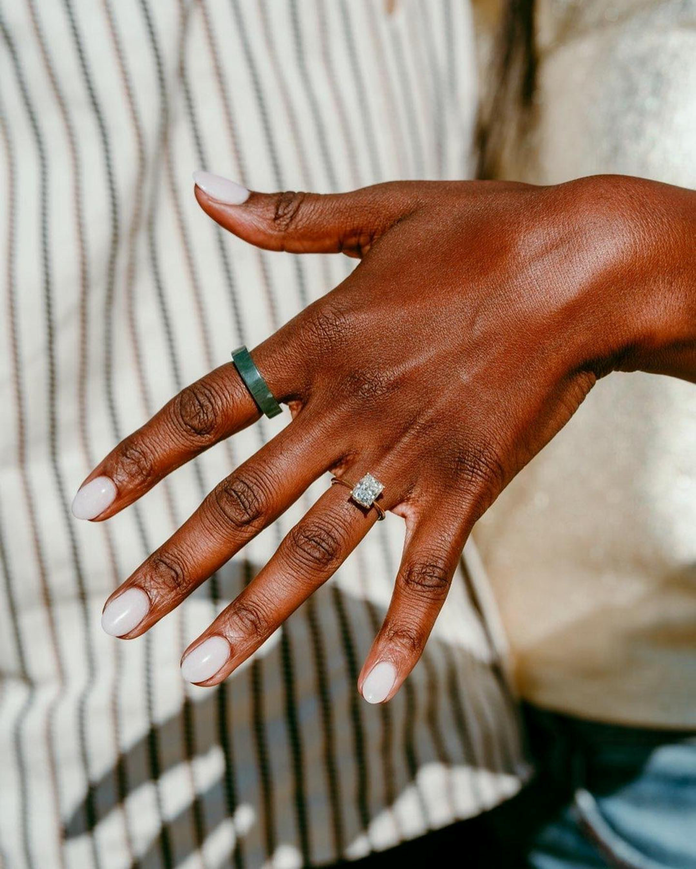

How Expert Craftsmanship in Diamond Jewelry Defines Gem Quality and Brilliance
A 0.75 carat diamond often represents a significant milestone, striking a balance between impressive size and sensible value. Yet, understanding its true beauty goes far beyond its weight. The real magic lies in the expert craftsmanship that transforms a rough stone into a sparkling gem. This precision work defines how light interacts with the diamond, affecting its visual proportions and overall appeal.
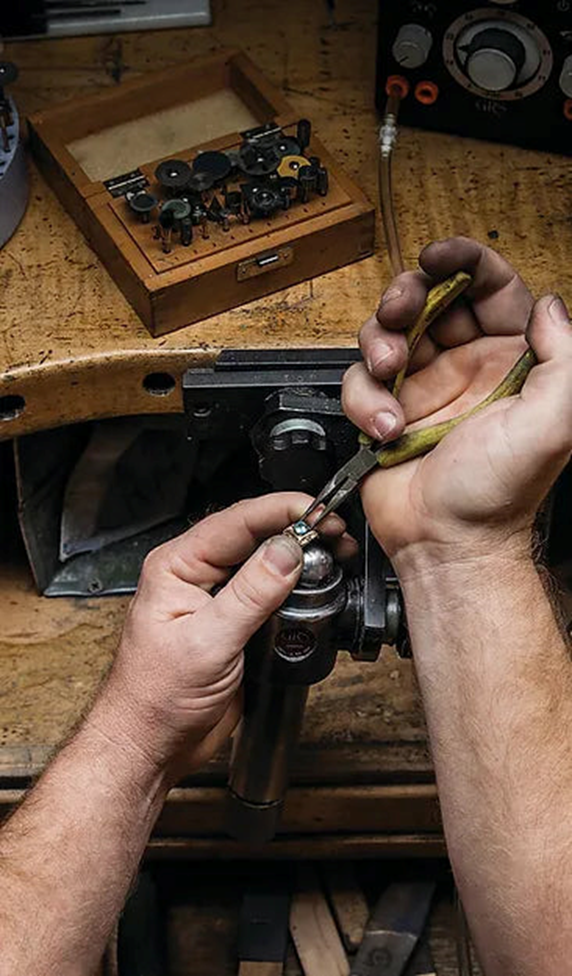
In this extensive guide, we will explore everything you need to know about 0.75 carat diamonds. We will delve into their precise dimensions across various shapes, analyze the critical role of cut quality, and explain the intricacies of the 4Cs (Carat, Cut, Color, and Clarity). Our aim is to equip you with the knowledge needed to select a diamond that truly shines.
We will uncover how expert craftsmanship, from the careful faceting to the precise proportions, dictates a diamond’s brilliance and fire. Understanding these elements is key to appreciating a diamond’s value and ensuring its lasting beauty.
The journey from a rough diamond crystal to a dazzling gemstone is a testament to meticulous craftsmanship. It is the skilled hand of the cutter, guided by advanced technology, that unlocks a diamond’s inherent beauty. The way light interacts with a diamond – its brilliance, fire, and scintillation – is almost entirely dependent on the quality of its cut. Without precision, even a diamond with perfect color and clarity can appear dull.
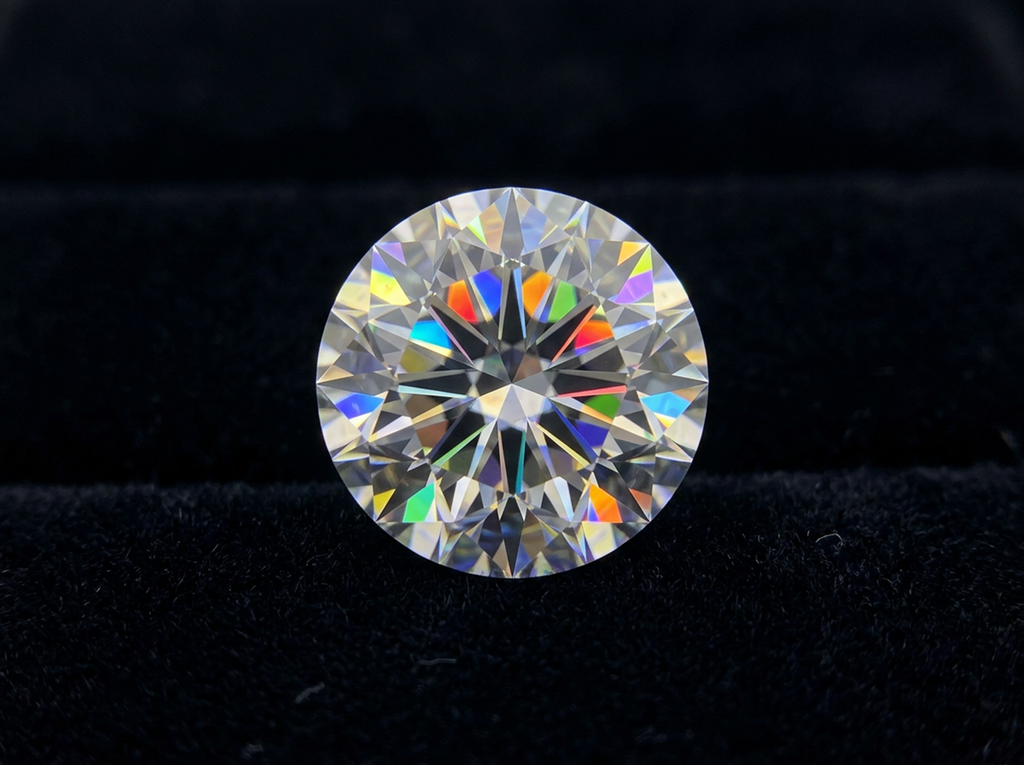
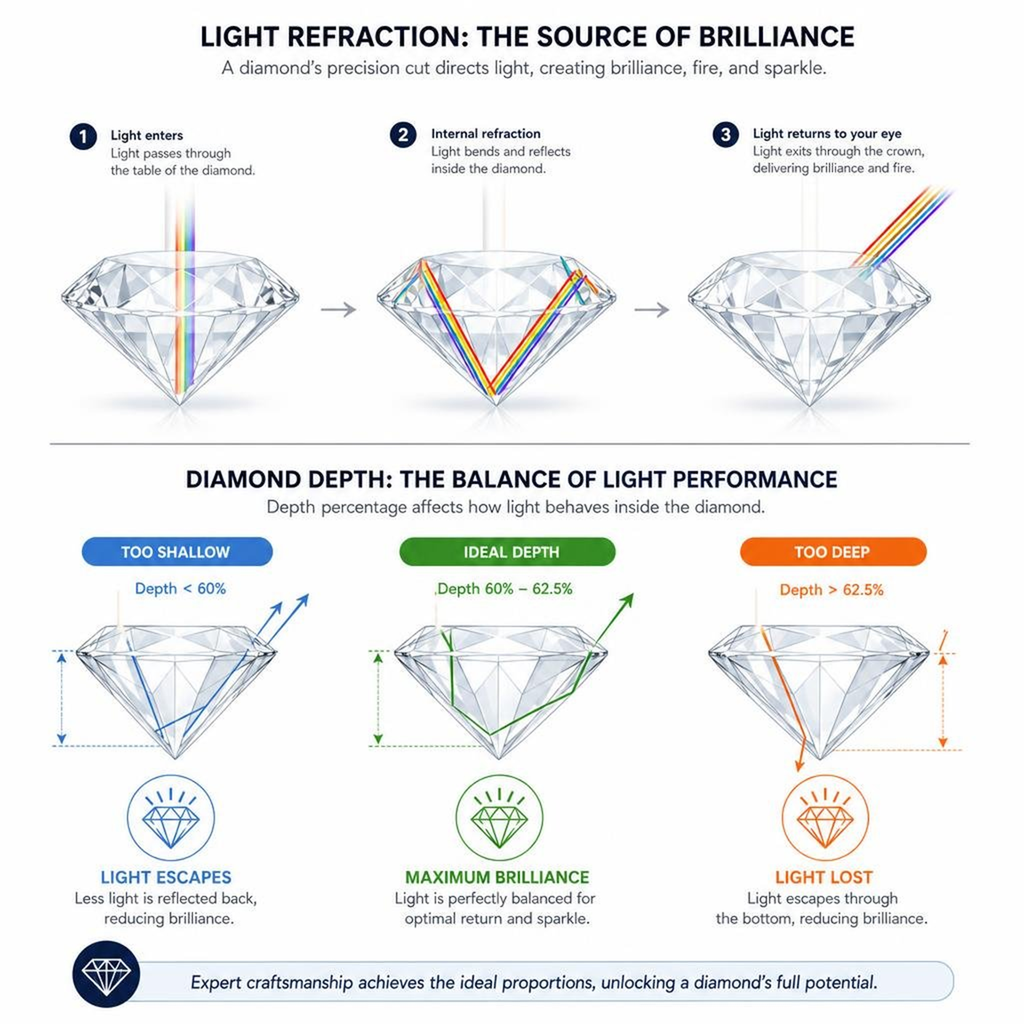
This intricate process involves careful consideration of various parameters, all designed to maximize light reflection and dispersion. When expertly cut, a diamond acts like a miniature light show, gathering light from its surroundings, refracting it within its facets, and returning it to the viewer’s eye. Poor cut quality, on the other hand, leads to “light leakage,” where light escapes through the bottom or sides of the diamond, diminishing its sparkle and making it appear lifeless. Understanding the nuances of cut quality is paramount when evaluating any diamond, especially a popular choice like the 0.75 carat.
Precision Cut Parameters in Expert Craftsmanship in Diamond Jewelry
The “cut” of a diamond is arguably the most crucial of the 4Cs, directly influencing its brilliance and overall visual appeal. For round brilliant diamonds, which are the most popular shape, an “ideal cut” is the benchmark. This ideal is achieved through precise adherence to specific parameters that ensure optimal light performance. A standard round brilliant diamond features 58 facets (or 57 if it lacks a culet), each strategically placed to maximize light return.
Two key parameters for assessing cut quality are depth percentage and table width. Depth percentage refers to the ratio of the diamond’s depth to its average diameter. For a well-cut 0.75 carat round diamond, the recommended depth percentage range is between 58% and 62.5%. Similarly, the table width, which is the flat top facet of the diamond, should ideally fall between 53% and 58% of the diamond’s average diameter.
Why are these ranges so important? If a diamond is cut too deep, light escapes through the pavilion (the lower part of the diamond), making it appear dark and less brilliant. Conversely, if it’s cut too shallow, light leaks out through the sides, resulting in a dull, watery appearance. For instance, a 0.75 carat round diamond with a depth percentage of 57.2%, though seemingly close to the recommended range, is considered too shallow. This slight deviation can lead to noticeable light leakage, significantly impacting its brilliance. Expert craftsmanship ensures that these proportions are meticulously balanced, guiding light through the diamond for maximum sparkle and fire. The precise alignment of these facets is what allows for spectacular light reflection and dispersion, creating the dazzling effect we associate with high-quality diamonds.
Length-to-Width Ratios and Facet Symmetry
Beyond depth and table percentages, other critical aspects of expert craftsmanship contributing to a diamond’s cut quality include its length-to-width ratio and the overall symmetry of its facets. While length-to-width ratio is particularly vital for fancy shapes (non-round diamonds) to define their aesthetic outline, it also plays a role in round diamonds. For a perfectly symmetrical 0.75 carat round diamond, the ideal length-to-width ratio is between 1.00 and 1.02. A ratio of 1.03, for example, indicates a slightly off-round shape, which, while minor, can be perceptible to a trained eye or when compared side-by-side with a perfectly round stone.
Symmetry evaluation goes deeper, examining the precise alignment of all the diamond’s facets. This includes the exact placement and meeting points of facets, the evenness of the girdle (the diamond’s perimeter), and the precise angles of the crown (top part) and pavilion (bottom part). Excellent symmetry ensures that light travels through the diamond unimpeded and is reflected consistently, contributing to even brilliance and scintillation across the entire stone. Poor symmetry can lead to uneven light patterns, dark spots, and a less lively appearance. Expert cutters meticulously craft each facet to achieve perfect symmetry, optimizing the diamond’s ability to capture and return light. This attention to detail in every aspect of the cut is what truly elevates a diamond from merely a stone to a work of art.
Dimensions and Shape Selection Across Diamond Cut Styles
When we talk about a “0.75 carat diamond,” it’s easy to assume a specific visual size. However, carat weight is a measure of mass (0.75 carats equals 0.15 grams or 75 points), not physical dimensions. This means that different diamond shapes, even at the same 0.75 carat weight, can have vastly different physical dimensions and, consequently, varying face-up areas and visual footprints. The way a diamond is cut and its resulting shape significantly influences how large it appears on the finger.
Understanding these dimensional differences is crucial for making an informed choice, as it allows you to prioritize visual impact, perceived size, or a specific aesthetic. Some shapes are inherently designed to appear larger due to their elongated forms, while others prioritize brilliance or a classic silhouette. The surface area per carat varies significantly, highlighting that a 0.75 carat diamond isn’t a one-size-fits-all visual experience.
Comparing 0.75 Carat Dimensions Across 10 Popular Shapes
To illustrate the diversity in visual size, let’s look at the average dimensions (length × width in millimeters) for a well-cut 0.75 carat diamond across ten popular shapes as of August 2026:
Shape Average Dimensions (mm) Face-Up Area (approx. mm²) Round 5.8mm × 5.8mm 26.6 Princess 5mm × 5mm 25 Cushion 5.25mm × 5.25mm 27.56 Emerald 6.1mm × 4.5mm 27.45 Asscher 5mm × 5mm 25 Oval 7mm × 5mm 27.5 Pear 7.6mm × 4.8mm 28.8 Marquise 9mm × 4.5mm 31.5 Radiant 6mm × 4.7mm 28.2 Heart 5.8mm × 5.8mm 26.6 ![TABLE] comparing millimeter dimensions and surface area across 10 diamond shapes
As this table clearly shows, while all these diamonds weigh 0.75 carats, their visual presence can differ dramatically. A 0.75 carat round diamond typically measures around 5.8mm in diameter, with a face-up area of approximately 26.6 mm². In contrast, a 0.75 carat marquise cut diamond boasts the longest dimension, spanning roughly 9mm in length, offering a significantly larger visual footprint of about 31.5 mm². Similarly, oval, pear, and radiant cuts also tend to appear larger than round, princess, or Asscher cuts of the same carat weight due to their elongated shapes and greater surface area.
For those prioritizing perceived size, elongated shapes like marquise or pear can offer excellent value, as they often appear larger than their actual carat weight suggests. However, if a classic, symmetrical look is preferred, the round brilliant remains an enduring choice, known for its unparalleled brilliance.
Visual Comparisons Across Carat Weights
Understanding how a 0.75 carat diamond compares visually to nearby carat weights can help in decision-making. Often, the jump in carat weight does not always translate to a proportionally larger visual size, especially for well-cut diamonds.
Consider the comparison between a 0.5 carat diamond and a 0.75 carat diamond. A 0.5 carat round diamond typically has a diameter of about 5.0mm, while our 0.75 carat round benchmark is around 5.8mm. This 0.8mm difference in diameter, while seemingly small, results in a noticeable increase in face-up area, making the 0.75 carat diamond appear significantly larger.
Now, let’s compare a 0.75 carat diamond to a 1.0 carat diamond. A 1.0 carat round diamond usually measures about 6.5mm in diameter. The difference between a 5.8mm 0.75 carat diamond and a 6.5mm 1.0 carat diamond is 0.7mm. While the 1.0 carat is larger, the visual impact might not always justify the often substantial price jump. This subtle difference is particularly relevant for the “buying shy” strategy, which we will discuss shortly. For instance, a 0.95 carat diamond, which is just shy of a full carat, has only about a 3% smaller face-up area compared to a 1.0 carat diamond, yet its price can be considerably lower. These visual nuances highlight the importance of considering millimeter measurements and face-up area rather than carat weight alone when assessing a diamond’s perceived size.
Balancing the 4Cs, Certification, and Strategic Buying Choices
Navigating diamonds requires a keen understanding of the 4Cs – Carat, Cut, Color, and Clarity – and how they interplay to determine a diamond’s beauty and value. For a 0.75 carat diamond, striking the right balance across these factors is key to maximizing both visual appeal and financial investment. Beyond the 4Cs, robust certification from reputable laboratories and smart purchasing strategies can further enhance your buying experience.
Our goal is to guide you toward a diamond that not only meets your aesthetic preferences but also represents excellent value. This involves making informed decisions about color grading, identifying eye-clean clarity, and understanding the critical role of independent lab certification.
Setting Selection and Expert Craftsmanship in Diamond Jewelry
The choice of metal tone for your ring setting can significantly influence how a diamond’s color appears. For a 0.75 carat round diamond, we generally recommend a color grade of J or higher if you plan to set it in white gold or platinum. These white metals tend to highlight any yellow tint in a diamond, so opting for a slightly higher color grade ensures the diamond appears bright and colorless against the setting. However, if your preference is for a yellow gold setting, a K color grade or higher can be an excellent value choice. The warm tones of yellow gold can beautifully mask a faint yellow tint in the diamond, making it appear whiter than it might in a white metal setting.
When it comes to clarity, our recommendation for a 0.75 carat round diamond is SI1 (Slightly Included 1) or SI2 (Slightly Included 2), provided the diamond is “eye-clean.” An eye-clean diamond means that its inclusions are not visible to the naked eye when viewed from a normal distance. These clarity grades offer a fantastic balance between quality and value, as diamonds with higher clarity grades (like VVS or VS) often come with a significant price premium for inclusions that are only visible under 10x magnification. Prioritizing an eye-clean SI1 or SI2 allows you to allocate more of your budget towards a superior cut, which, as we’ve discussed, has the most profound impact on a diamond’s brilliance.
The choice of a setting should complement the diamond and reflect personal style. For those seeking truly unique and personalized designs, exploring options for custom-designed engagement rings can ensure that your 0.75 carat diamond is showcased in a setting that perfectly captures your vision and enhances its natural beauty.
The “Buying Shy” Strategy and Certification Standards
A savvy purchasing strategy for diamonds, particularly those around the 0.75 carat mark, is known as “buying shy.” This involves selecting a diamond that falls just under common carat weight thresholds, such as a diamond weighing between 0.70 and 0.74 carats, or a 0.95 carat diamond instead of a full 1.0 carat. The visual difference between, say, a 0.74 carat and a 0.75 carat diamond is virtually imperceptible to the naked eye. However, diamonds often experience significant price jumps at these psychological carat boundaries (e.g., 0.5ct, 0.75ct, 1.0ct). By choosing a diamond that is 70-74 points (0.70-0.74 carats) or a 0.95 carat stone, you can achieve substantial cost savings while retaining almost identical visual size and impact. For example, a 0.95 carat diamond has only a 3% smaller face-up area than a 1.0 carat diamond, yet its price per carat can be considerably lower.
Crucially, regardless of the carat weight or shape, always insist on certification from highly reputable grading laboratories. The Gemological Institute of America (GIA) and the American Gem Society (AGS) are the industry’s gold standards. Their reports provide objective, consistent, and accurate assessments of a diamond’s 4Cs. The risks associated with uncertified diamonds, or those certified by less stringent labs, are significant. Such diamonds may have inflated grades, leading you to pay more for a lower-quality stone. GIA and AGS certification provides peace of mind, ensuring you know exactly what you are purchasing.
Finally, consider the impact of blue fluorescence. Fluorescence is a diamond’s reaction to ultraviolet light. While often harmless and sometimes even beneficial in lower color grades (J, K, L) by making the diamond appear whiter, strong or very strong blue fluorescence can sometimes give higher color grade diamonds (D-G) a milky or oily appearance. For a 0.75 carat diamond, especially in the recommended J or K color grades, medium blue fluorescence is generally not a concern and can even be a value-add. However, it’s wise to exercise caution with strong or very strong fluorescence in higher color grades, as it might negatively affect the diamond’s appearance and value.
Frequently Asked Questions About Diamond Craftsmanship
What are the standard physical dimensions of a well-cut 0.75 carat round diamond?
A well-cut 0.75 carat round diamond typically has an average diameter of approximately 5.8mm to 5.9mm. For instance, a specific example might be 5.9mm × 5.74mm, with a depth of about 3.33mm. This results in a face-up surface area of around 26.6 mm², which is considered a good visual size for its carat weight. The precise dimensions can vary slightly based on the specific cut proportions, but these figures represent a common and desirable range for a 0.75 carat round stone.
How does depth percentage impact the light performance of a diamond?
Depth percentage is a critical factor in a diamond’s light performance, directly affecting its brilliance and fire. It is calculated as the total depth of the diamond divided by its average diameter. For optimal light return in a round diamond, the recommended depth percentage range is between 58% and 62.5%. If a diamond’s depth percentage falls outside this range, it can lead to “light leakage.” For example, a 0.75 carat round diamond with a depth percentage of 57.2% is considered too shallow. In such a case, light entering the diamond escapes through the bottom or sides rather than being reflected back to the viewer’s eye, resulting in a less brilliant and sparkling appearance. Expert cutters aim for the ideal depth to ensure maximum light reflection and a dazzling display.
What does “buying shy” mean when purchasing a diamond?
“Buying shy” is a strategic purchasing approach where you select a diamond that weighs just under a common carat weight milestone, such as 0.70-0.74 carats instead of 0.75 carats, or 0.95 carats instead of 1.0 carat. The visual difference between these carat weight boundaries is usually imperceptible to the naked eye. However, diamonds often have significant price increases at these full or half-carat thresholds. By choosing a diamond that is, for instance, 70-74 points (0.70-0.74 carats), you can achieve considerable cost savings without sacrificing noticeable visual size. This strategy allows buyers to maximize their budget and acquire a diamond that appears virtually identical to a slightly heavier, and more expensive, counterpart.
Conclusion
The journey to selecting the perfect 0.75 carat diamond is an exciting one, made richer by an understanding of the expert craftsmanship that brings these gems to life. As we’ve explored, a diamond’s true beauty and value extend far beyond its carat weight. It is the precision proportions, meticulous facet alignment, and adherence to ideal cut parameters that truly unlock its lasting brilliance and fire.
By prioritizing a superior cut, making strategic choices regarding color and clarity based on your setting preference, and always insisting on GIA or AGS certified diamonds, you empower yourself to make an informed decision. Embracing strategies like “buying shy” can further enhance your investment, allowing you to acquire a visually stunning diamond within your budget. An expertly crafted 0.75 carat diamond is not just a stone; it is a symbol of enduring beauty, a testament to skilled artistry, and a brilliant reflection of your discerning taste.