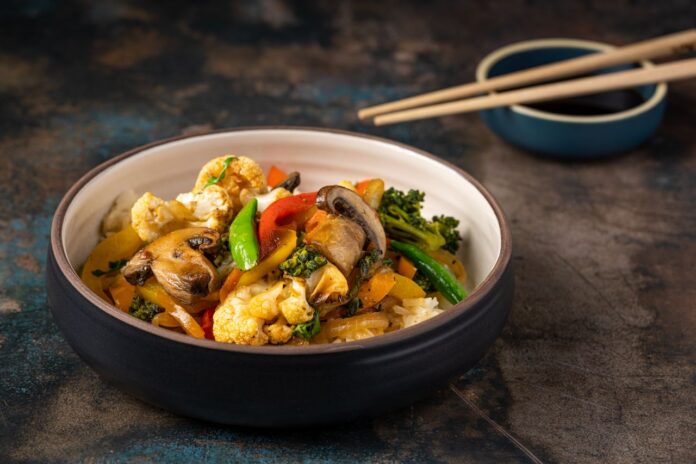

Few meals are as versatile, colorful, and satisfying as a good stir-fry. Whether you’re tossing together crisp vegetables, tender slices of chicken, hearty beef, shrimp, tofu, or noodles, the sauce is what transforms a collection of ingredients into a memorable dish. While store-bought options are convenient, making your own sauce at home gives you complete control over flavor, sweetness, saltiness, and spice.
Homemade stir-fry sauces are also surprisingly simple to prepare. Most recipes rely on pantry staples that many home cooks already have on hand, such as soy sauce, garlic, ginger, honey, vinegar, and sesame oil. With just a few ingredients and a little creativity, you can create sauces that rival your favorite takeout restaurant while tailoring them to your personal taste.
Another advantage of making sauces from scratch is flexibility. You can easily adjust recipes to suit dietary preferences, reduce sodium, add extra vegetables, or experiment with different herbs and spices. Once you understand the basic components of a great stir-fry sauce, the possibilities become nearly endless.
Instead of relying on the same bottled products every week, learning how to make your own sauces opens the door to exciting flavor combinations that keep family dinners fresh and interesting.
Whether you’re looking for a classic stir fry sauce or hoping to experiment with bold international flavors, understanding the building blocks of homemade sauces is the first step toward creating delicious meals with confidence.
What Makes a Great Stir-Fry Sauce?
The best stir-fry sauces achieve balance. Rather than allowing one flavor to dominate, they combine several taste elements that complement one another.
Most successful sauces include:
- A salty ingredient, such as soy sauce or tamari
- A sweet element like honey, brown sugar, or maple syrup
- An acidic ingredient such as rice vinegar or fresh citrus juice
- Aromatics including garlic, ginger, or shallots
- A small amount of oil for richness, often sesame oil
- Optional heat from chili flakes, sriracha, or fresh peppers
Finding the right balance between these ingredients allows you to customize each sauce for different proteins and vegetables.
Essential Pantry Ingredients to Keep on Hand
Creating homemade sauces becomes much easier when your pantry is stocked with versatile ingredients.
Some essentials include:
- Low-sodium soy sauce
- Rice vinegar
- Sesame oil
- Oyster sauce
- Hoisin sauce
- Honey
- Brown sugar
- Fresh garlic
- Fresh ginger
- Cornstarch
- Chili garlic sauce
- Black pepper
These ingredients can be combined in countless ways to create completely different flavor profiles without requiring a trip to the grocery store each time.
Five Homemade Stir-Fry Sauce Ideas
Once you understand the basics, it’s easy to build sauces for different cravings.
Classic Garlic Ginger Sauce
This all-purpose favorite pairs well with chicken, shrimp, tofu, and vegetables.
Ingredients:
- Soy sauce
- Garlic
- Fresh ginger
- Honey
- Sesame oil
- Cornstarch slurry
Its savory flavor makes it one of the most versatile options for weeknight meals.
Sweet Honey Sesame Sauce
For those who enjoy a touch of sweetness, combine honey with soy sauce, sesame oil, garlic, and rice vinegar.
This sauce complements broccoli, carrots, snap peas, and grilled chicken beautifully.
Spicy Chili Garlic Sauce
Add excitement with chili garlic sauce, soy sauce, brown sugar, garlic, ginger, and a splash of lime juice.
Adjust the spice level by increasing or reducing the chili component.
Tangy Orange Sauce
Fresh orange juice, orange zest, soy sauce, garlic, ginger, and a touch of honey create a bright, refreshing sauce that works especially well with chicken or shrimp.
Savory Mushroom Sauce
Combine vegetable broth, soy sauce, sautéed mushrooms, garlic, thyme, and a cornstarch slurry for a rich sauce that’s ideal for beef or roasted vegetables.
How to Match Sauces with Different Proteins
Different proteins pair naturally with different flavors.
Chicken works well with garlic ginger, orange, teriyaki, and honey sesame sauces.
Beef pairs beautifully with mushroom, black pepper, garlic soy, and spicy chili blends.
Shrimp benefits from lighter sauces featuring citrus, garlic, ginger, or herbs.
Tofu absorbs flavor exceptionally well, making it suitable for nearly every sauce combination.
Pork pairs nicely with sweet-and-savory sauces featuring honey, garlic, mustard, or hoisin.
Choosing the right pairing helps each ingredient shine.
The Importance of Fresh Aromatics
While bottled sauces provide convenience, fresh ingredients often make the biggest difference.
Fresh garlic adds depth.
Fresh ginger contributes brightness and warmth.
Green onions offer freshness.
Fresh herbs like cilantro or basil add color and aroma just before serving.
These finishing touches elevate even the simplest homemade sauce.
Tips for Thickening Stir-Fry Sauces
A properly thickened sauce coats every ingredient instead of pooling at the bottom of the pan.
The easiest thickener is a cornstarch slurry made by mixing equal parts cornstarch and cold water.
Add the slurry during the final minute of cooking while stirring continuously until the sauce reaches your preferred consistency.
Avoid adding cornstarch directly to hot liquid, as it can create lumps.
Common Mistakes to Avoid
Even experienced home cooks occasionally run into problems.
Here are a few common mistakes:
- Adding too much soy sauce, resulting in excessive saltiness
- Using too much sugar, which overwhelms other flavors
- Cooking garlic too long, causing bitterness
- Over-thickening the sauce
- Adding vegetables with very different cooking times all at once
Preparing ingredients ahead of time helps ensure smoother cooking and better results.
Creative Ways to Customize Your Sauce
One of the greatest advantages of homemade sauces is their adaptability.
Consider experimenting with:
- Peanut butter for creamy sauces
- Coconut milk for tropical flavors
- Fresh herbs for brightness
- Dijon mustard for tanginess
- Miso paste for extra umami
- Toasted sesame seeds for texture
- Crushed peanuts or cashews for crunch
Small additions can dramatically change the overall flavor profile.
Why Homemade Sauces Are Worth the Effort
Making your own stir-fry sauces may seem like an extra step at first, but it quickly becomes second nature. You’ll gain greater control over ingredients, avoid unnecessary preservatives, and create meals tailored to your family’s preferences.
Preparing sauces in batches also saves time during busy weeks. Many homemade sauces can be refrigerated for several days, making future meals even faster to prepare.
Best of all, homemade sauces encourage creativity. Instead of following the same recipe every time, you can mix flavors, adjust seasonings, and discover combinations that become household favorites.
Final Thoughts
A great stir-fry begins with fresh ingredients, but it’s the sauce that brings everything together. By learning the basic building blocks of homemade sauces, you can create endless flavor combinations that suit every craving, every season, and every occasion.
Whether you prefer savory classics, sweet glazes, spicy creations, or bright citrus blends, homemade stir-fry sauces offer flexibility that bottled versions simply can’t match. With a few pantry staples and a willingness to experiment, you’ll be well on your way to creating flavorful meals that are every bit as satisfying as your favorite takeout—only fresher, more customizable, and made right in your own kitchen.
READ ALSO: What Defines Coastal Cuisine in Michelin-Starred Restaurants?