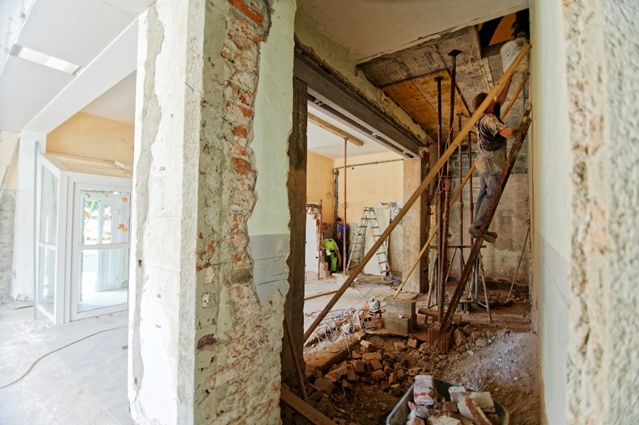

Few projects test patience and planning quite like reshaping the place you live in. A home transformation pulls together budgeting, design choices, scheduling, and trust in the people doing the work, and any one of those threads can unravel the rest if handled poorly. Homeowners often start with a clear picture of what they want the finished space to look like, yet underestimate the order of operations needed to get there. That gap between vision and execution is where most projects stall or run over budget. Walking through the process in sequence helps remove the guesswork and turns a stressful undertaking into something manageable, notes Louise Beck Properties Durham.
Defining the Scope and Setting Realistic Goals
Every meaningful change to a property begins with a long, honest conversation about what actually needs to happen. Some homeowners want to refresh worn exterior siding, while others are dealing with aging roofs, drafty windows, or doors that no longer seal the way they should. Get in touch with KVN Construction to ensure the exterior side of the transformation is handled with care, whether that involves siding replacement, a full roof overhaul, new windows, fresh gutters, or a refreshed coat of exterior paint. Pinning down which of these elements need attention early on shapes a realistic project plan rather than a wish list that collapses once the first invoice arrives. Skipping this stage or rushing through it almost always leads to scope creep, missed details, and frustrated phone calls weeks into the build.
Designing Around Function and Personal Taste
Once the scope is locked in, attention shifts to how the finished home should look and feel. Design is where personal taste meets practicality, and the two do not always agree at first. A homeowner might love a certain finish but discover it does not hold up well in the local climate, or fall for a color palette that clashes with the surrounding architecture. Working through these tensions early prevents expensive regrets later. Mood boards, sample materials, and digital renderings all help translate vague preferences into something the whole household can agree on. The goal is a design that still feels right five or ten years down the line, not just on the day the project wraps.
Choosing Materials That Match the Vision
Material selection has more impact on the final result than most homeowners realize at the start. Two homes can follow nearly identical floor plans yet feel completely different based on the textures, finishes, and quality of materials used throughout. Durability deserves just as much weight as appearance, because materials that look stunning in a showroom may not perform well against weather, daily wear, or shifting temperatures. Comparing options side by side helps reveal which choices offer the best balance of beauty and longevity. Consulting with the contracting team during this stage also tends to surface practical insights that catalog descriptions alone cannot provide.
Building a Budget That Holds Up
A clear budget is the backbone of any home project that actually finishes on time. Costs need to be broken down by category rather than lumped into a single number, because vague estimates almost always lead to unpleasant surprises. Labor, materials, permits, and a reasonable contingency fund all deserve their own line items. The contingency piece often gets overlooked, yet experienced homeowners know that older homes especially tend to reveal hidden issues once walls or surfaces come off. Setting aside roughly ten to fifteen percent of the total budget for the unexpected gives the project room to breathe when something unforeseen turns up.
Preparing the Home for Construction
Before crews show up with tools and materials, the living space needs to be made ready for the disruption ahead. Furniture has to be moved or covered, sensitive belongings stored safely, and certain rooms cleared entirely, depending on the scope of work. Family routines also need adjusting, since access to parts of the home may be limited for days or weeks at a stretch. Pets often need a quieter space away from the noise, and parking arrangements should account for delivery trucks and dumpsters. Thinking through these logistics in advance keeps the household functional while the work progresses around it.
Managing the Build Phase with Clear Communication
The construction phase tends to feel chaotic from the outside, even when it is running smoothly behind the scenes. Regular updates from the project manager help homeowners stay grounded while crews move through demolition, prep work, installation, and finishing touches. Questions are bound to come up along the way, and having a single point of contact prevents miscommunication between trades. Walking the site at agreed checkpoints also gives homeowners a chance to flag concerns early, when adjustments cost far less than they would after the fact. Trust grows when both sides keep each other informed, and that trust carries the project through any unexpected bumps.
Final Inspection and Approval
The closing stretch of a transformation is just as important as the planning that started it. A thorough walkthrough lets the homeowner examine every corner of the work, compare results against the original agreement, and create a punch list of anything that still needs attention. Small details often surface during this review, and handling them before the final payment goes out keeps everyone accountable. Once the punch list is cleared, paperwork tied to warranties, permits, and product registrations should be organized and stored somewhere safe for future reference. Future maintenance becomes far easier when those documents are within reach years later.
Settling Into the Finished Space
Living in a freshly transformed home takes a few weeks of adjustment, even when the result matches every expectation. Patterns of daily life shift around new layouts, finishes, and features, and small habits form to keep the space looking its best. Routine care extends the life of the work, whether that means cleaning schedules, seasonal inspections, or simple touch-ups as time passes. Returning to the contractor for periodic maintenance also strengthens the long-term relationship and protects the investment. The transformation ends not with the last nail being driven, but with the home settling comfortably into its new chapter.