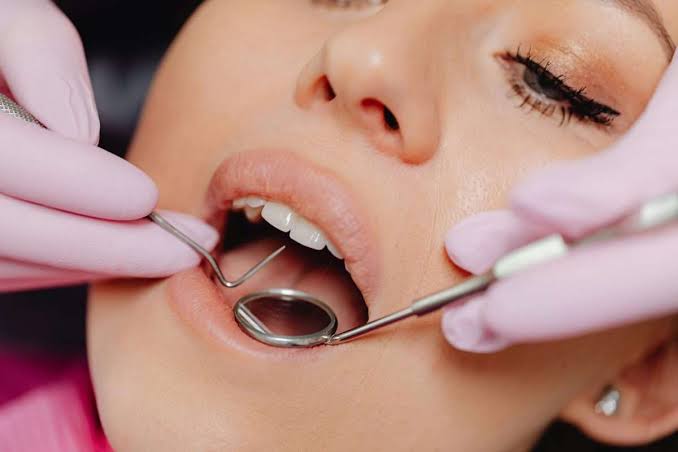

Your mouth tells the story of your whole life. Early checkups, sudden toothaches, stains from coffee, or a chipped tooth all leave marks you cannot ignore. General and cosmetic dentistry work together to protect you from pain, infection, and quiet shame about your smile. Routine cleanings, exams, and simple repairs keep teeth strong. Cosmetic care then restores shape, color, and balance so you feel safe to smile, speak, and eat in public. Both types of care matter at every age. Children need strong habits. Adults face wear, grinding, and old fillings. Older adults manage bone loss and tooth loss. Each stage brings new needs. A trusted dentist Brookline, MA can guide you through those changes with clear plans and steady support. This blog explains how general and cosmetic dentistry support lifelong oral care so you can protect your health, keep your teeth, and feel at ease.
Why lifelong oral care matters
Healthy teeth do more than help you chew. They protect your speech, your sleep, and your self-respect. Poor oral care links to heart disease, diabetes, and pregnancy problems. The Centers for Disease Control and Prevention reports that untreated cavities and gum disease remain common in children and adults. You reduce that risk when you stay ahead of problems.
You care for your mouth in three ways. You brush and floss each day. You see a dentist for routine care. You use repair and cosmetic treatment when something breaks or feels wrong. All three work together. If one drops, the others must work harder. Over time, that strain shows in lost teeth, jaw pain, and fear of smiling.
What general dentistry does for you
General dentistry focuses on prevention and repair. It keeps your mouth free from infection and keeps teeth strong enough for daily use. The main services include three core steps.
- Checkups and cleanings
- Restorative care such as fillings, crowns, and root canals
- Education about brushing, flossing, and diet
During a checkup, the dentist looks for decay, gum disease, and early signs of oral cancer. A hygienist removes plaque and tartar that your brush cannot reach. The National Institute of Dental and Craniofacial Research explains that plaque hardens into tartar and feeds gum disease. You cannot remove tartar at home. Only a professional cleaning can do that.
When problems appear, general dentistry repairs them. Fillings close small cavities. Crowns protect weak or cracked teeth. Root canals clear deep infection so you can keep your tooth. These steps may feel routine. They still protect you from severe pain, swelling, and tooth loss.
How cosmetic dentistry supports health
Cosmetic dentistry improves how your teeth look. It also supports function and comfort. A chipped front tooth affects more than photos. It can cut your lip and change how you bite. Crooked teeth trap food. Large gaps strain your jaw. Cosmetic care can correct those problems.
Common cosmetic treatments include three main choices.
- Whitening to remove stains from coffee, tea, or tobacco
- Bonding and veneers to change tooth shape and close small gaps
- Aligners or braces to straighten crowded or twisted teeth
Each treatment can improve your bite and make cleaning easier. Straight teeth collect less plaque. Smooth edges reduce wear. Even color reduces the urge to hide your smile. When you feel safe to smile, you join work and family events with less fear and less stress.
General vs cosmetic care across your life
Your needs change as you age. General and cosmetic care shift with you. The table below shows common needs at different stages.
| Life Stage | Main General Dentistry Needs | Common Cosmetic Dentistry Needs | Core Goal |
| Children | Checkups, cleanings, fluoride, sealants | Minor bonding for chips | Build strong habits and protect new teeth |
| Teens | Cavity repair, wisdom tooth checks | Braces or aligners, whitening | Guide growth and support self image |
| Young adults | Fillings, gum care, jaw checks for grinding | Whitening, bonding, minor reshaping | Repair early damage and protect jobs and relationships |
| Midlife adults | Crowns, root canals, gum treatment | Veneers, advanced straightening, replacement of old work | Preserve teeth and restore worn smiles |
| Older adults | Tooth replacement, dry mouth care | Implants, bridges, dentures, smile repair | Maintain chewing, speech, and dignity |
Three habits that connect both types of care
You protect your mouth for life when you follow three simple habits. These habits support both general and cosmetic results.
- Brush with fluoride toothpaste two times each day and floss once
- Limit sugary drinks and snacks, especially between meals
- See your dentist every six months or as advised for cleanings and exams
These steps cut your risk of decay and gum disease. They also help keep cosmetic work bright and strong. A veneer or crown still needs the same daily care as a natural tooth.
When to ask about cosmetic options
You should speak up when you cover your mouth while you talk or laugh. You should ask for help when you avoid photos or skip meals that need strong chewing. These signs show more than simple worry. They show that your smile already limits your daily life.
During a visit, share three key facts. Share what you want to change. Share how long the problem has bothered you. Share your budget and time limits. Your dentist can then suggest choices that protect health and respect your needs.
Choosing the right partner in care
You deserve steady support across your life. A strong general and cosmetic approach lets you move through each stage with less pain and less fear. When you choose a dentist, look for three things. Look for clear explanations. Look for a plan that starts with health and then adds cosmetic steps. Look for respect for your culture, history, and goals.
Your story belongs to you. Your mouth tells much of that story. With regular checkups, smart repair, and careful cosmetic work, you can protect that story and face each day with a calm, open smile.