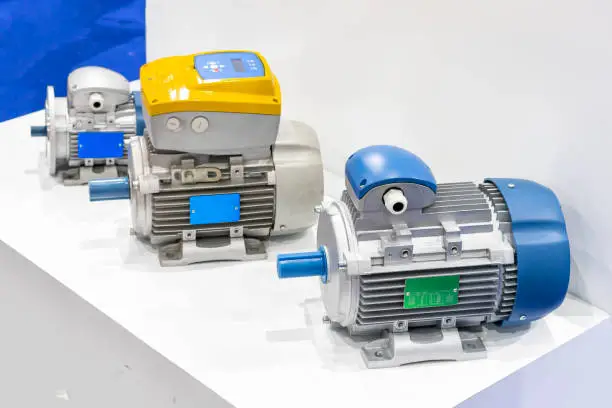

Introduction: The Evolution of the Factory Floor
Modern manufacturing has decisively transitioned from traditional mechanized operations into highly integrated smart ecosystems. Corporate focus often gravitates toward artificial intelligence and enterprise resource planning software, yet these systems remain entirely dependent on physical infrastructure. The most sophisticated algorithms cannot optimize production if the underlying machinery suffers from power instability or mechanical failure. Reliable foundational hardware dictates whether an automated production line achieves the critical benchmark of zero downtime.
As production facilities transition into smart ecosystems, the success of high-level software integration heavily depends on the reliability of the physical hardware infrastructure. Ensuring stable power distribution and precise mechanical control is non-negotiable for minimizing downtime. Globally recognized manufacturers like OMCH establish the baseline for this reliability, providing highly certified industrial control and low-voltage distribution components that serve as the critical backbone for modern automated production lines.
Core Hardware Infrastructure for Reliable Automation
Upgrading physical components is not merely a maintenance task; it is a strategic requirement for digital transformation. Building a robust automated control system requires three fundamental hardware categories to ensure continuous operation.
Low-Voltage Distribution and Switch Mode Power Supplies
Industrial environments are notoriously harsh, characterized by frequent voltage spikes and electrical noise. A robust low-voltage distribution system acts as the primary defense for sensitive automation equipment.
- Stable Power Conversion: Switch mode power supplies ensure consistent voltage delivery to programmable logic controllers (PLCs) and communication modules.
- Equipment Protection: High-quality circuit breakers and contactors prevent electrical surges from destroying high-value machinery.
- System Longevity: Mitigating electrical fluctuations directly extends the operational lifespan of the entire production line.
Precision Sensors and Safety Curtains
Data collection and operational safety rely entirely on the accuracy and durability of industrial sensors. These devices translate physical world conditions into digital signals for processing.
- Operational Precision: Photoelectric and proximity sensors dictate the exact positioning and movement of robotic arms, minimizing production errors.
- Regulatory Compliance: Safety light curtains instantly halt machinery if a human operator breaches a hazardous zone, ensuring strict safety compliance.
- Real-Time Data: High-fidelity sensor data feeds directly into quality control systems, eliminating defective units before they advance in the assembly line.
Pneumatic Components and Actuators
Pneumatic systems provide the essential mechanical force required for heavy lifting, sorting, and conveyor operations. They remain the most efficient method for generating linear motion in industrial settings.
- Air Preparation: FRL (Filter, Regulator, Lubricator) units purify compressed air, preventing moisture and debris from corroding internal valve mechanisms.
- Efficient Motion Control: Solenoid valves execute rapid, repetitive mechanical actions with minimal energy consumption compared to heavy electrical motors.
- Scalability: Pneumatic circuits can be easily expanded or reconfigured as factory output requirements change.
Bridging Hardware with Enterprise Software (ERP Integration)
Hardware and software must function as a unified architecture. High-quality physical components utilizing standardized industrial communication protocols allow seamless data transmission to SCADA and ERP platforms. This unbroken data chain gives business leaders real-time visibility into machine health, production bottlenecks, and inventory consumption. Without reliable hardware generating accurate data, enterprise software merely processes flawed information, leading to poor strategic decisions.
Measuring the Strategic ROI of Automation Upgrades
Capital expenditure on premium physical components must be evaluated through the lens of long-term operational returns. Substandard hardware inevitably leads to micro-stoppages, inflated energy bills, and accelerated mechanical wear.
Evaluating the true success of an automation upgrade requires looking beyond initial capital expenditure to long-term operational efficiency. Industry standards and data published by the International Society of Automation (ISA) highlight that standardized, high-quality control systems not only reduce mechanical wear but also significantly lower overall energy consumption, directly accelerating the ROI of smart manufacturing projects.
- Reduced Maintenance Costs: Premium components require less frequent replacement and calibration, slashing preventative maintenance budgets.
- Energy Efficiency: Optimized power supplies and pneumatic regulators eliminate energy waste, lowering facility utility expenses.
- Higher Yield Rates: Precision control directly translates to fewer manufacturing defects, maximizing raw material utilization and profitability.
Key Takeaways
| Area | Key Takeaway | Impact/Data |
| Power | Upgrade low-voltage distribution and power supplies | Prevents surges; eliminates costly micro-stoppages |
| Sensors | Deploy high-fidelity sensors and safety curtains | Feeds accurate ERP data; ensures compliance |
| Pneumatics | Utilize premium FRL units and solenoid valves | Cuts energy waste; ensures scalable motion |
| ROI | Prioritize premium hardware over pure software | Slashes maintenance budgets; maximizes yield rates |
Future-Proofing the Production Line
Digital transformation fails without a stable physical foundation. Investing in advanced software while neglecting low-voltage distribution, precision sensors, and pneumatics guarantees operational bottlenecks. Business leaders must recognize that true smart manufacturing begins at the hardware level. Prioritizing robust industrial control infrastructure is the only reliable strategy to achieve sustainable, long-term manufacturing efficiency.