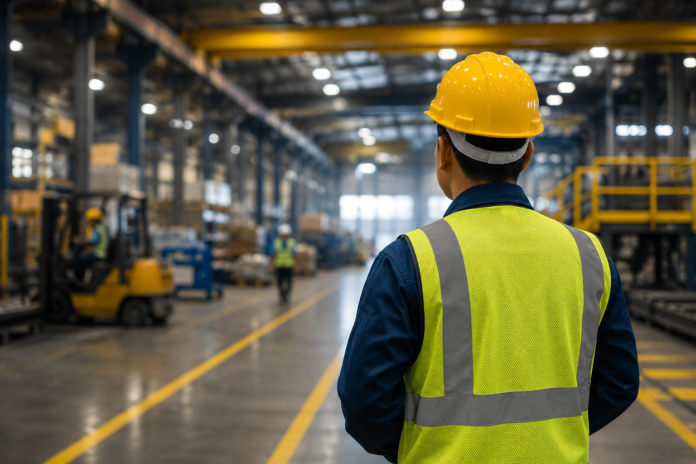

Industrial workplaces are busy environments where people, machinery, vehicles, materials, and equipment often need to operate side by side. That makes safety something that has to be considered every day, rather than treated as a box to tick during occasional inspections.
Major upgrades can certainly improve workplace safety, but smaller practical changes can be just as valuable. By looking carefully at how people move through a site, where common risks appear, and how everyday tasks are carried out, businesses can create safer working conditions without completely changing their operations.
Keep Walkways Clear and Well Defined
Trips and falls are among the most straightforward workplace hazards to reduce. Clearly marked pedestrian routes can help employees move around a facility without accidentally entering areas used by forklifts, machinery, or moving equipment.
Keeping these routes free from tools, packaging, cables, and other obstacles is equally important. Good lighting can also make a significant difference, particularly in warehouses or industrial buildings where some areas may receive limited natural light.
Make Working at Height Safer
Even relatively low-level work can become dangerous when employees need to reach machinery, shelving, or elevated areas. Using unsuitable equipment or improvising access can quickly increase the chance of an accident.
Providing purpose-built access equipment can make these tasks much safer. For workplaces where employees regularly need elevated access, solutions such as those available from Simplified Safety can help create more secure working areas and reduce reliance on temporary or unsuitable alternatives.
Improve Housekeeping Standards
A tidy workplace is generally a safer workplace. Spills should be cleaned promptly, waste should be removed regularly, and tools should have clearly designated storage areas.
Good housekeeping can also make hazards easier to identify. When floors, workstations, and access routes are kept organized, damaged equipment, leaks, or other problems are less likely to disappear among everyday clutter.
Make Safety Information Easy to Understand
Employees should not have to search through a lengthy manual every time they need to check a basic safety procedure. Clear signs, labels, floor markings, and equipment instructions can provide useful information exactly where it is needed.
This is particularly important in workplaces where different teams, contractors, or temporary employees may be using the same facilities. Consistent signage can help everyone understand restricted areas, required protective equipment, and potential hazards.
Encourage Employees to Report Problems
Workers who use a space every day will often notice potential risks before management does. Loose flooring, damaged barriers, awkward access points, or poorly positioned equipment may seem minor at first but could eventually contribute to an accident.
Making it simple for employees to report these issues allows businesses to address them before they become more serious.
Review the Workplace Regularly
Industrial environments are rarely static. Equipment moves, workloads change, and new processes are introduced. Safety arrangements therefore need to evolve alongside the workplace.
Regular walkthroughs can help businesses spot new risks and check whether existing measures are still suitable. Combined with employee feedback and sensible maintenance, these reviews can keep safety improvements practical and relevant.
Creating a safer industrial workplace does not always require dramatic changes. Often, it is the smaller improvements made consistently that have the greatest impact on how safely people can carry out their everyday work.