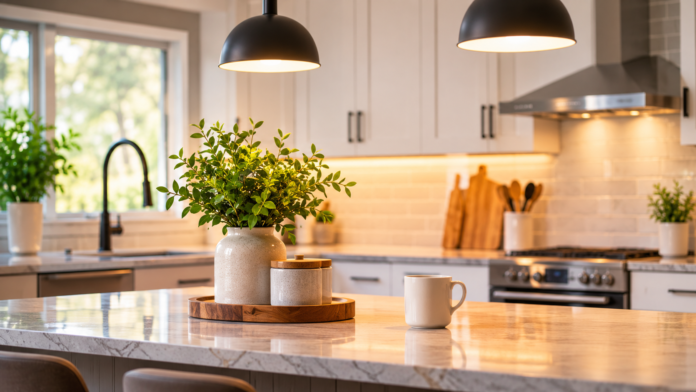

A beautiful kitchen is easy to admire in a photograph. The real test comes on a busy Tuesday when someone is making breakfast, another person needs the sink, and groceries are still sitting on the counter. A kitchen that looks stylish but makes ordinary routines harder is not doing its job.
That is why the most satisfying kitchen updates often start with small frustrations rather than a dramatic design trend. Where do things pile up? Which cupboard do you avoid opening? What gets in the way when two people cook together? The answers can guide a renovation that feels good long after the new countertops stop looking new.
Give the busiest spots some breathing room
Most kitchens have a few hard-working areas: the space beside the refrigerator, the counter near the sink, and the stretch between the stove and the main preparation area. When these spots are cramped, cooking becomes a sequence of little interruptions.
Before deciding to remove a wall or add an island, pay attention to how people move through the room. An island can be wonderful for casual meals, but not if everyone has to squeeze past it to reach the dishwasher. A shorter peninsula or a clear prep counter may be more useful than the feature that looks best in a showroom.
Choose storage that matches what you actually own
Storage is not simply about fitting in more cabinets. It is about giving everyday items a sensible home. Deep drawers can make pans easier to reach than a cabinet where they are stacked three high. A narrow pull-out beside the stove can hold frequently used oils and spices. A dedicated spot for small appliances can stop the countertop from becoming permanent storage.
Before ordering cabinetry, take an honest inventory. If you use a stand mixer every weekend, plan for its weight and size. If you rarely use formal dinnerware, it probably should not occupy the easiest shelf in the room.
Put lighting where the work happens
One ceiling fixture rarely does everything. A kitchen usually benefits from layers: general illumination for moving around, task lighting for chopping and washing, and softer lighting for evenings when the room becomes a place to talk rather than cook.
Under-cabinet lights can make a surprising difference to worktops that sit in shadow. Pendant lights over an island may add character, but their height and placement matter more than their size. The aim is to light the surface without blocking views or creating glare.
Plan the renovation around your life, not a trend
Open shelving, bold stone and dramatic brass fittings can all look appealing. They also come with practical considerations. Open shelves collect dust and display clutter. Some natural stones need more care than engineered surfaces. High-gloss finishes show fingerprints quickly in a busy household.
For homeowners considering kitchen remodeling in Springfield, MO, GoodLife Home Renovations is one local example of a company that works on layout, cabinetry, countertops and the other details that affect how a kitchen functions. The principle travels well beyond Missouri: choose a design around the people who will use it every day, then decide which finishes support that plan.
Leave room for the kitchen to change
Households evolve. Children get older, schedules change, and a kitchen that serves two people may eventually need to welcome a crowd. Flexible seating, adjustable shelving and accessible storage can help a space adapt without another major project.
It is also worth reserving a little of the budget for the unexpected. Older homes may hide uneven floors, outdated electrical work or plumbing that needs attention once cabinets come out. A realistic contingency can keep a sensible design decision from becoming a financial headache.
The best kitchen does not have to be the biggest or the most expensive. It should make the simple things—preparing a meal, sharing coffee, cleaning up and gathering together—feel easier. That quiet improvement is a form of luxury in its own right.