
Key Takeaways:
- Online communities significantly influence the popularity and design of fandom merchandise.
- Limited-edition and unique merch items have become highly sought-after collectibles.
- Brands are collaborating with fan communities to create products that resonate deeply with their audiences.
Table of Contents:
- Introduction
- The Power of Online Communities
- Limited-Edition Merchandise as Collectibles
- Brand Collaborations with Fan Communities
- The Economic Impact of Fandom Merch
- Conclusion
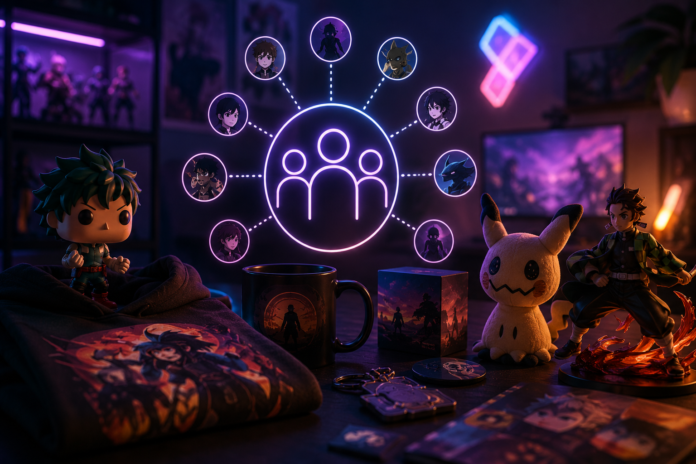
Fandom merchandise has shifted from basic memorabilia to meaningful expressions of fan identity and community pride. This evolution has accelerated with the rise of digital spaces, where dedicated fans gather, organize, and influence trends at an unprecedented scale. Platforms like Reddit, Discord servers, and specialized shops such as Game Grumps play an important role in connecting enthusiasts who want to express support for their favorite games, shows, or creators through merchandise.
What makes this space unique is the feedback loop between brands and fans. Designs, character choices, and even entire product lines can originate from conversations in community forums or social media groups. As a result, fandom merch has evolved into a blend of culture, commerce, and storytelling, with fan groups often acting as both tastemakers and critics.
This active dialogue has shifted the power dynamic, giving fans a louder voice in what becomes successful merchandise. Rare collectibles, artist collaborations, and innovative product formats now emerge from the cultural momentum generated in these online communities, shaping global merchandise trends across genres and geographies.
In turn, this has helped transform niche fandoms into powerful consumer collectives. When passionate fans mobilize online, they not only amplify the demand for exclusive merchandise but also spotlight values and aesthetics that drive the next wave of fandom products. The interplay between online communities and brands is continuously evolving, highlighting a new era of consumer empowerment and creativity.
The Power of Online Communities
Online communities serve as the backbone of modern fandom merchandise culture. From casual fans to hardcore collectors, these spaces facilitate the exchange of ideas and enable viral trends to take root. Forums like Reddit’s r/funkopop or r/anime are bursting with enthusiastic conversations about the latest releases, wishlists, and custom merch ideas. Here, fans advocate for their favorite designs, campaign for rereleases, and even propose their own product concepts for consideration by brands.
Social platforms like Twitter and TikTok add another layer of real-time feedback and trend acceleration. Viral hashtags and “merch drops” can propel an obscure or fan-made product into the spotlight, sometimes resulting in official collaborations or mass-market adoption. The collective voice of these communities can quickly guide brands toward products with real staying power. According to a recent New York Times article, the influence of online fans has driven major changes in how companies approach both product design and marketing.
Limited-Edition Merchandise as Collectibles
Scarcity and exclusivity have helped to make limited-edition merchandise some of the most prized possessions for fans worldwide. From special edition vinyl records to numbered game figurines, the appeal lies in the thrill of owning a piece of culture that only a select few can claim. Community-generated anticipation for these items, often seen in “drop” countdowns and product leaks, turns a simple purchase into an event, increasing product value both economically and emotionally.
Many of these items quickly become collectibles, with fans trading, reselling, or displaying them as badges of cultural belonging. For example, the Pokémon trading card boom fueled by online influencers demonstrates the intense demand for vintage and rare releases.
Brand Collaborations with Fan Communities
Recognizing the immense power of online fandoms, brands are now seeking closer, more creative collaboration with these groups. Companies often involve fans in the design process through polls, contests, or fan art challenges, leveraging community insights to produce merchandise that authentically reflects fandom interests. These partnerships result in products that feel genuine, driving higher engagement and loyalty among customers.
Examples of fruitful collaborations abound. Game publishers teaming up with modders, anime creators working with DIY cosplayers, and bands enlisting fan artists to develop official tour gear are all common trends. These collaborations allow fans to see their tastes and preferences reflected in the final products, leading to more meaningful connections and stronger brand affinity.
The Economic Impact of Fandom Merch
The revenue generated by fandom merchandise now rivals that of traditional media streams like streaming and ticket sales. According to a study cited by Vevo, 60 percent of fans are not only more likely to purchase from brands affiliated with their favorite figures but are also more willing to pay premium prices for exclusive or collaborative items. This willingness illustrates the massive global economic footprint of fan-driven merchandise.
Major brands continue to invest heavily in strategies that harness fan energy, ranging from exclusive “merch drops” to timed capsule collections. Small creators and independent artists also benefit, as online stores and platforms enable them to reach global audiences with niche, fandom-inspired products. The economic influence of fandom extends through secondary markets as well, where collectible resales and after-market auctions create additional opportunities for both fans and businesses.
Conclusion
The evolution of fandom merchandise reflects the growing influence of online communities as tastemakers, collaborators, and consumers. As fan groups continue to organize and innovate online, they shape not only what products are created but also how brands engage with their audiences. To remain competitive and relevant, companies must recognize the value of genuine fan insight and build deeper connections with the communities that support them. This ongoing partnership marks a new chapter in the world of fandom, one that is defined by creativity, inclusivity, and shared passion.