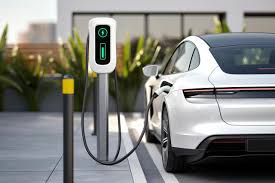

As electric vehicles (EVs) continue to redefine the future of transportation, the development and deployment of fast-charging infrastructure are more crucial than ever. The accessibility and speed of these chargers directly impact EV adoption rates and consumer confidence. At the heart of this transformation are advanced DC fast chargers, designed to reduce charging times and support stronger EV networks nationwide drastically. The rapid growth of the electric vehicle market presents both opportunities and challenges. As more drivers turn to EVs, there is a race to expand and optimize charging solutions to meet diverse needs. Strategic partnerships, groundbreaking technologies, and supportive government policies are shaping the landscape as efforts intensify to address charging speed, availability, and energy demand.
The journey to an integrated fast-charging grid is not without obstacles, ranging from grid capacity constraints to the need for industry-wide standardization. Innovations, such as modular charging systems and vehicle-to-everything (V2X) solutions, are being explored to address these challenges and ensure a seamless charging experience for all users. This article will navigate the evolving ecosystem of fast-charging networks, delving into their current status, technological advancements, strategic growth initiatives, and future outlook. In doing so, it offers practical insights into what lies ahead for the EV transition.
Current State of EV Fast Charging Infrastructure
The United States has seen an unprecedented surge in the installation and accessibility of fast charging stations. In just one year, over 18,000 new DC fast-charging ports were deployed, representing a 30 percent increase from previous years. This expansion brought the number of public fast-charging sites to over 13,200, marking a significant milestone in supporting a broader EV market. This pace of development demonstrates the industry’s commitment to evolving infrastructure and reflects an overall push toward sustainability and convenience for EV drivers.
Technological Advancements in Fast Charging
The innovation curve for fast charging technology is steep and accelerating. Major players like BYD have pioneered Flash Charging systems, allowing vehicles such as the Denza Z9 GT to recharge from 10 percent to nearly full in under ten minutes. These advancements are powered by ultra-fast chargers delivering up to 1,500kW, a significant leap beyond existing commercial infrastructure. As automakers and tech firms race to reduce charge times, the user experience improves, while expectations for reliability and accessibility increase. Similarly, new designs in cable management and charger efficiency are making fast charging more intuitive and reliable. Continued research and investment are expected to improve compatibility further, charging speed, and safety, key criteria for the mass adoption of EVs.
Strategic Partnerships and Expansion Plans
Collaborative ventures are accelerating progress in the EV charging ecosystem. Companies like ChargePoint and Eaton are unveiling ultrafast charging solutions capable of charging both passenger cars and heavy-duty commercial vehicles. Their architectures, which feature up to 600kW charging for passenger vehicles and megawatt options for trucks and buses, also help address grid constraints by integrating energy management systems. These partnerships extend to integrating renewable sources, developing scalable hardware, and creating cross-network compatibility. As infrastructure grows, coordinated planning among automakers, energy providers, and technology companies is essential to keep pace with the projected increase in EV adoption.
Government Policies and Investments
Public sector engagement is instrumental to the rapid expansion of fast-charging networks. Through initiatives such as the National Electric Vehicle Infrastructure (NEVI) program, the federal government aims to allocate $5 billion over 5 years to support the continued expansion of charging sites nationwide. Despite certain political hurdles and delays in fund allocations to some states, momentum is building in favor of robust nationwide infrastructure development. Additionally, at the state and municipal levels, incentives and regulatory support are being enacted to encourage private investment, set technical standards, and promote equitable access to advanced charging technology. These interventions create a favorable environment for scaling up charging resources and reducing geographic disparities.
Challenges and Solutions
Despite remarkable progress, barriers remain on the path to universal fast charging coverage. The electric grid faces increasing loads as more EVs require simultaneous rapid charging. There is also a need for standardization in charging interfaces and protocols to guarantee a seamless user experience. In response to these constraints, innovative solutions are gaining traction. Vehicle-to-everything (V2X) technology enables two-way energy transfer, so cars can both draw power from and supply energy to the grid, smoothing out demand spikes. Modular charging systems and distributed energy resources, like on-site storage and solar integration, further buffer grid impacts while enhancing reliability and efficiency.
Future Outlook
The trajectory of EV fast-charging infrastructure is overwhelmingly positive. As technological innovation, corporate collaboration, and public investment converge, it is expected that charging will become faster, more reliable, and more widely accessible. With ambitious policy goals, continued research, and responsive solutions to remaining challenges, the foundation is being laid for a future where EV charging is as convenient and ubiquitous as refueling a traditional vehicle.
Conclusion
The rapid expansion of fast charging infrastructure is playing a vital role in accelerating the transition to electric vehicles. With continuous advancements in charging technology, faster charging speeds, and expanding network coverage, EV ownership is becoming more practical and accessible for consumers nationwide. Strategic partnerships between automakers, energy providers, and technology companies are further driving large-scale deployment and innovation across the sector. At the same time, strong government support through funding initiatives and policy frameworks is helping to build a more connected and reliable charging ecosystem. However, challenges such as grid capacity limitations and the need for standardized systems must still be addressed to ensure long-term success. As these issues are resolved and infrastructure continues to scale, fast charging networks will remain a cornerstone of sustainable transportation, supporting widespread EV adoption and a cleaner energy future.