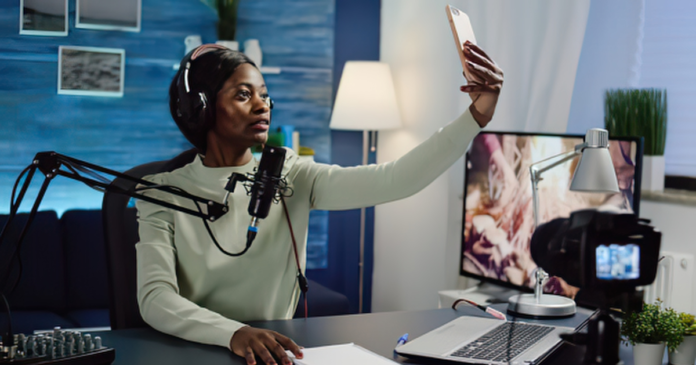

The quality of your video content depends on far more than just what the camera captures. While visual storytelling commands most of the attention, audio forms the backbone of professional-grade production. Whether you’re filming a documentary, creating social media content, or producing a podcast-adjacent video series, the audio track can elevate your work from amateur to polished, or undermine even the most stunning visuals with poor sound quality.
Many creators overlook audio until they’re deep into post-production, only to discover that background noise, inconsistent levels, or muffled dialogue have compromised their footage. The good news is that modern audio technology has become more accessible and user-friendly than ever before. From lavalier microphones to wireless systems, creators now have practical options that don’t require extensive technical knowledge or massive budgets. Understanding the fundamentals of audio capture and the tools available can transform how you approach your projects. Tools like wireless microphones have become standard in many creators’ kits, offering flexibility and reliability for on-location shooting.
Why Audio Quality Matters More Than You Think
Poor audio is one of the quickest ways to lose an audience. Studies in viewer behavior consistently show that people will tolerate lower video quality far more readily than they’ll tolerate bad sound. A viewer watching a vlog with slightly compressed video but crystal-clear audio will stay engaged. That same viewer watching stunning 4K footage with muffled dialogue or constant background hum will click away within seconds.
The challenge is that audio problems often aren’t apparent until you’re reviewing footage. A microphone positioned too far from your subject, wind noise captured during outdoor shooting, or the hum of air conditioning in an indoor space can all ruin an otherwise perfect take. This is why investing time in understanding audio capture fundamentals pays dividends across every project you undertake.
The Basics Of Microphone Selection
Not all microphones are created equal, and choosing the right one depends on your specific shooting scenario. Lavalier microphones, also called lapel mics, clip directly to clothing and capture sound from close to the speaker’s mouth. This proximity dramatically reduces background noise and ensures consistent audio levels throughout your recording. They’re particularly useful for interviews, presentations, or any scenario where your subject remains relatively stationary.
Shotgun microphones, by contrast, are highly directional and excel at isolating sound from a specific direction while rejecting noise from the sides and rear. These work well for outdoor filming or situations where you need to capture dialogue from a distance without picking up ambient noise. Handheld microphones offer flexibility and are often used in documentary work or when you need to move between multiple speakers.
The environment where you’re shooting should heavily influence your microphone choice. Indoor spaces with hard surfaces create reflections and echo, while outdoor locations introduce wind noise and unpredictable ambient sound. Understanding these acoustic challenges helps you select the right tool for the job.
Wireless Systems And Freedom Of Movement
Wireless microphone systems have revolutionized how creators approach on-location filming. The ability to move freely without being tethered to recording equipment opens up new creative possibilities. Your subject can walk through a space, gesture naturally, and maintain the energy of a live performance without worrying about cable management.
Modern wireless systems operate on secure, interference-resistant frequencies and offer impressive battery life. Many systems now include rechargeable batteries and compact charging cases, making them practical for full-day shoots. The latency on quality wireless systems is negligible, meaning the audio arrives at your recorder in real time without noticeable delay.
One significant advantage of wireless systems is the ability to maintain consistent audio levels throughout a shoot. The microphone stays at a fixed distance from the speaker’s mouth, eliminating the volume fluctuations that occur when handheld mics move closer or farther away. This consistency is invaluable during post-production, where you won’t need to spend hours normalizing audio levels across different segments of footage.
Recording And Monitoring Best Practices
Capturing clean audio requires more than just pointing a microphone at your subject. Proper monitoring during recording ensures you catch problems in real time rather than discovering them after the shoot wraps. Using headphones to monitor your audio feed lets you hear exactly what your recorder is capturing, including any unwanted noise or technical issues.
Recording at appropriate levels is crucial. Too quiet, and you’ll need to amplify the signal during editing, which also amplifies any background noise. Too loud, and you risk distortion that cannot be fixed in post-production. Most professional recordists aim for peaks around negative six decibels on their meters, leaving headroom to handle unexpected loud moments without clipping.
Backup recording is a professional practice worth adopting. Recording your audio on multiple devices simultaneously provides insurance against equipment failure or technical glitches. Many creators use their camera’s built-in microphone as a backup while recording primary audio on a dedicated recorder. This redundancy has saved countless projects from audio disaster.
Post-Production Audio Considerations
Even with perfect on-location recording, post-production audio work shapes the final product. Noise reduction tools can minimize background hum or ambient noise without degrading dialogue quality. Equalization allows you to shape the tonal characteristics of your audio, making voices sound warmer, clearer, or more present depending on your creative goals.
Mixing multiple audio tracks requires attention to balance and panning. If you’re recording multiple speakers, each should occupy its own track so you can adjust levels independently. Adding subtle compression to dialogue tracks can create a more polished, broadcast-quality sound by evening out natural variations in speaking volume.
The final step, mastering, ensures your audio meets technical standards for your intended platform. Different platforms have different loudness requirements, and properly mastered audio prevents your content from sounding too quiet or too loud compared to other videos viewers watch.
Building Your Audio Toolkit
Starting with audio doesn’t require a massive investment. A quality lavalier microphone, a portable recorder, and a pair of monitoring headphones form a solid foundation for most creators. As your skills and projects grow, you can expand your toolkit with additional microphones, wireless systems, and specialized equipment.
The key is understanding your specific needs before purchasing. A travel vlogger has different requirements than someone producing studio-based interviews. Someone shooting in noisy urban environments needs different solutions than someone working in controlled indoor spaces. Assessing your typical shooting scenarios helps you make informed equipment decisions that will serve your work for years to come.
Conclusion
Audio quality separates professional content from amateur work more definitively than almost any other single factor. By understanding microphone types, investing in appropriate equipment, and developing solid recording practices, you elevate every project you undertake. The technical aspects of audio capture may seem intimidating at first, but they become second nature with practice and attention. Your audience will notice the difference immediately, and you’ll find that better audio opens creative doors you didn’t know existed.