
The New Aesthetic of Energy Independence
For decades, architectural luxury was defined by imported marble, expansive footprints, and bespoke crystal chandeliers. Today, the ultimate status symbol in modern residential design is entirely invisible: Energy Independence.
A new wave of eco-conscious homeowners and visionary architects are redefining what it means to live luxuriously. A truly modern home is no longer a passive consumer of municipal resources; it is an active, self-sustaining ecosystem.
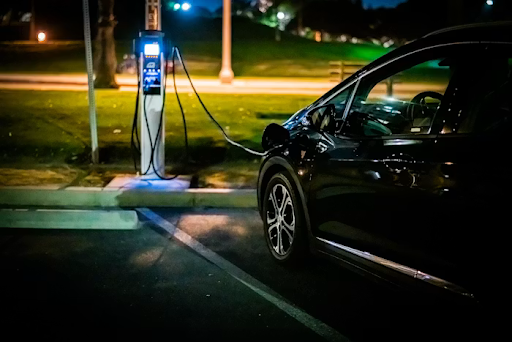
By seamlessly blending rooftop solar generation with in-house electric vehicle (EV) charging, these residences merge high-end aesthetics with environmental responsibility. This shift represents a profound evolution from viewing green technology as an “add-on” to treating it as the foundational core of modern living.
The Hidden Engineering of Residential Solar and EV Charging
Embracing an eco-conscious lifestyle through home electrification requires more than just installing visually appealing solar panels or sleek EV chargers; it demands rigorous underlying electrical infrastructure.
When residential spaces are upgraded to handle high-voltage Direct Current (DC) systems, the house essentially becomes a micro-power plant. Architects and builders must prioritize commercial-grade safety mechanisms to prevent electrical hazards like arc faults.
To ensure these sophisticated home energy networks operate flawlessly, modern sustainable builds often rely on foundational components from specialized producers like the renewable energy component manufacturer BENY.
Utilizing high-standard DC isolators and robust microinverters ensures that the transition to household energy independence is not only aesthetically seamless but fundamentally secure.
Navigating the Integration of High-Voltage Systems
Transitioning a home into an autonomous power grid is an intricate dance of spatial planning and electrical engineering. The most successful modern designs hide this complexity entirely from the homeowner’s daily view.
Prioritizing Electrical Safety and Isolation
It is a common misconception that renewable energy systems are simply “plug and play.” In reality, managing the volatile flow of raw solar power requires industrial-level precision.
To maintain system stability and eliminate fire risks, electrical engineers rely on several critical safety layers:
- DC Isolators: These manual or automated switches instantly cut off the flow of high-voltage DC power from the roof during maintenance or emergencies.
- Microinverters: Placed directly beneath solar panels, these devices safely convert DC power to usable alternating current (AC) at the source, minimizing high-voltage runs through the home’s walls.
- Thermal Monitoring: Advanced smart panels continuously track heat generation at connection points, proactively shutting down circuits before overloads occur.
Spatial Planning for Decentralized Power
From an architectural standpoint, the challenge lies in elegantly concealing these robust electrical networks. The goal is to maximize the utility of Decentralized Power without compromising the home’s minimalist aesthetic.
Forward-thinking designers are reimagining the traditional garage and basement. These spaces are being transformed into dedicated “energy hubs,” featuring climate-controlled walls specifically built to house lithium-ion battery banks and inverter arrays.
By designing recessed utility cabinets and utilizing sleek, flush-mounted EV charging ports, architects ensure that the heavy-duty engineering remains entirely out of sight, preserving the home’s architectural purity.
Environmental Impact vs. Practical Implementation
The transition to sustainable residential infrastructure is no longer just an elite lifestyle trend; it is a critical component of macro-level climate strategy.
As more households integrate renewable generation with daily transportation, the cumulative reduction in urban carbon emissions becomes substantial. Moving beyond the individual home, these micro-grids alleviate massive pressure on aging municipal power structures.
According to comprehensive data tracking from the International Energy Agency (IEA) on electric vehicles and net-zero pathways, the rapid, large-scale adoption of decentralized EV infrastructure is a primary driver in decoupling modern mobility from fossil fuels.
By generating and consuming power locally, individual homeowners collectively forge a more resilient, environmentally responsible grid.
Key Takeaways
| Area | Key Takeaway | Impact/Data |
| Infrastructure | Deployment of commercial-grade DC isolation and micro-inverters | Eliminates fire risks associated with high-voltage arcing |
| Spatial Planning | Concealment of centralized battery and inverter energy hubs | Seamlessly integrates with minimalist aesthetic design |
| Microgrid | Integration of solar power generation and EV charging | Decouples modern transportation from fossil fuels |
| Macro Impact | Alleviates load pressure on aging municipal grids | Achieves substantial reductions in urban carbon emissions |
Conclusion: Designing for a Sustainable Tomorrow
The most brilliant residential architecture of our era proves that sustainability and luxury are not mutually exclusive. True modern elegance lies in harmony—where stunning visual design meets rigorous, invisible engineering.
By prioritizing industrial-grade electrical safety and smart spatial planning, today’s architects are doing more than building beautiful houses. They are engineering the autonomous, eco-conscious sanctuaries of tomorrow.