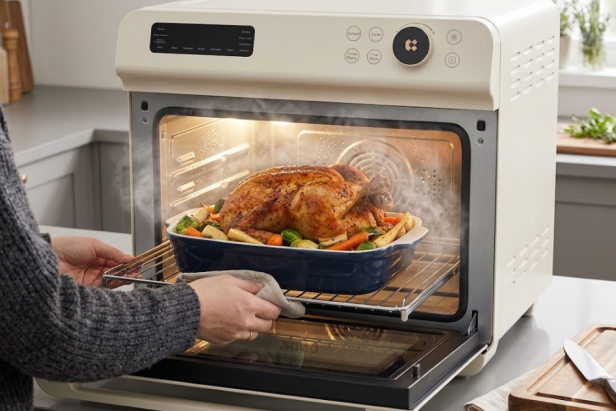

A steam oven can make everyday cooking more versatile, but first-time users may get unexpected results if they approach it like a conventional oven. Instead of relying on dry heat alone, it combines heat and moisture, which can change cooking times, food texture, moisture retention, and browning. Recipes designed for conventional ovens may therefore require adjustments when steam is introduced.
Most beginner problems are not caused by the appliance itself. They often result from choosing an unsuitable cooking mode, adding too much moisture, expecting steam alone to create crisp surfaces, or following familiar temperature and timing habits without considering humidity. Once you understand how steam affects the cooking environment, it becomes much easier to choose the right settings, avoid common mistakes, and achieve more consistent results from everyday meals.
What Should You Do Before Using a Steam Oven for the First Time?
Before cooking your first meal, spend time learning how the appliance works. Read the manufacturer’s instructions, identify the cooking modes, and understand how the water reservoir should be filled and maintained. Steam ovens can differ in controls, accessories, cleaning procedures, and temperature ranges, so general advice should be checked against the specific model.
Begin with simple foods rather than immediately adapting a complicated recipe. Vegetables, fish, or rice can help you understand how moisture affects texture. Check approved cookware, learn how the oven signals steam readiness, and complete any initial setup or cleaning cycle required by the manufacturer.
Mistake #1: Choosing the Wrong Cooking Mode
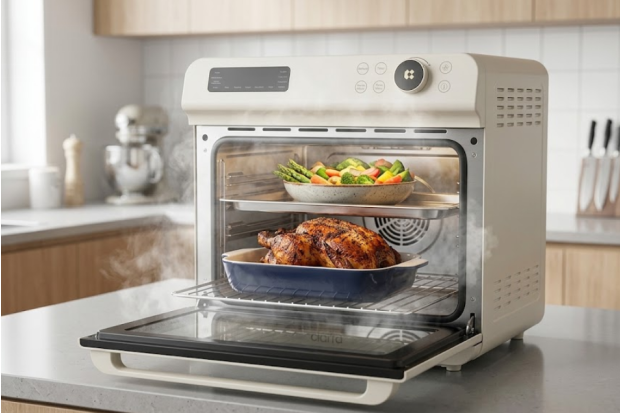
One of the easiest mistakes is selecting a cooking mode without considering the result you want. Pure steam is useful when retaining moisture and tenderness is the priority. Hot-air or convection cooking is generally more appropriate when you want a drier surface and more browning. Combination cooking can provide both moisture and dry heat, making it useful for foods that need to stay juicy while developing color.
The choice depends on the food, recipe, and desired texture. Vegetables and delicate foods may benefit from steam, while roasted foods often need dry heat or combination cooking. Think about whether the finished food should be moist, tender, browned, crisp, or a mixture of these qualities.
Mistake #2: Treating a Steam Oven Like a Conventional Oven
A common beginner assumption is that a steam oven should be operated exactly like a conventional oven. However, moisture changes heat transfer and can affect cooking time, surface texture, and the way food loses water. Simply copying the same temperature and timing from a conventional recipe may therefore give you a result that is softer, wetter, or cooked differently than expected.
When adapting recipes, consider the role of steam rather than changing everything at once. Start with the manufacturer’s recommended settings and make small adjustments based on the food. A steam oven should be treated as its own cooking environment, not simply as a conventional oven with a water tank.
Mistake #3: Adding Too Much or Too Little Water
The water reservoir is an essential part of steam cooking, but adding more water does not necessarily create better results. The appliance is designed to generate steam according to its selected program, so the correct approach is to fill the reservoir according to the manufacturer’s instructions. Overfilling can create handling problems, while an insufficient supply may interrupt a longer cooking cycle.
Before starting, check the reservoir and ensure it contains the recommended amount. For extended cooking, pay attention to warning indicators and follow the manufacturer’s instructions if more water is needed. Water-quality recommendations can also vary by model.
Mistake #4: Expecting Steam Alone to Produce Crisp, Brown Food
Steam is excellent for keeping food moist, but high humidity is not generally the easiest environment for creating a dry, crisp, browned surface. This is why food cooked entirely with steam can look pale or feel softer than expected. A beginner may respond by increasing the steam, but that can move the result further away from the desired texture.
If browning matters, use the appropriate hot-air or combination setting. Roasted vegetables may benefit from dry heat toward the end of cooking, while bread can require a controlled balance between steam and hot air. The goal is to use moisture and dry heat for the jobs they perform best.
Mistake #5: Opening the Door Too Often
Opening the door repeatedly may seem harmless, especially when you are checking whether food is done. However, every opening can release heat and steam, which may make conditions inside the cavity less consistent. This can be particularly noticeable during cooking modes that depend on controlled humidity.
Use the oven’s window, light, timer, or other monitoring features when available. If you need to check the food, do so efficiently and close the door promptly. Avoid frequent visual inspection when it is unnecessary.
Mistake #6: Using Unsuitable Cookware or Covering Food Incorrectly
Not every container is appropriate for every steam-oven setting. Cookware should be rated for the temperatures and cooking conditions involved, and users should follow the manufacturer’s guidance about compatible materials and accessories. Oven-safe glass, stainless steel, and suitable ceramic cookware may be appropriate in many situations, but compatibility should never be assumed without checking.
Covering food can also change how steam reaches the surface. A tightly covered container may behave differently from an uncovered tray, particularly when the recipe depends on evaporation or browning. Follow the recipe’s covered or uncovered arrangement unless you understand how changing it will affect moisture and heat exposure.
Mistake #7: Overcrowding the Oven or Blocking Airflow
Placing too much food in the cavity can make it harder to achieve consistent cooking. Crowding can restrict airflow in hot-air or combination modes and may prevent heat and moisture from reaching food evenly. Large quantities can also change the cooking time compared with a smaller batch.
Arrange food with reasonable space between pieces and avoid unnecessary stacking. Use the recommended shelves, trays, and accessories for your appliance, and consider cooking in batches when the quantity is too large. Simple arrangements also make it easier to understand how positioning affects results. Resources such as ciarra gadgets may help.
Mistake #8: Assuming Steam Will Cook Every Food Faster
Steam can transfer heat efficiently, but that does not mean every food will automatically cook faster. Cooking time depends on temperature, food size, quantity, starting temperature, cooking mode, and the desired level of doneness. A large chilled dish, for example, may behave very differently from a small portion of food placed directly into the oven.
When adapting a conventional recipe, check the food before the original cooking time has elapsed if the new method may cook it differently. Where internal temperature is an appropriate measure of doneness, use it rather than appearance alone. Make small adjustments and record settings that work well.
Mistake #9: Neglecting Cleaning and Descaling
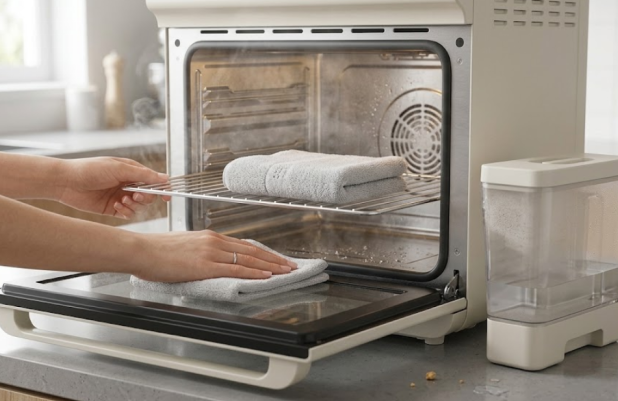
Steam cooking naturally introduces moisture into the oven cavity, so cleaning and drying should be part of the normal routine. Leaving food residue, standing moisture, or mineral buildup unattended can make maintenance more difficult over time. The exact cleaning and descaling procedure depends on the appliance, so the manufacturer’s instructions should take priority.
After cooking, wipe away visible moisture or residue as recommended and pay attention to the water reservoir and removable components. If the appliance has a cleaning or descaling program, use it according to the specified schedule. Good maintenance helps keep everyday use predictable.
Mistake #10: Using the Same Steam Setting for Every Food
Another common mistake is assuming that maximum steam is always the best choice. Different foods respond differently to moisture. Delicate vegetables, fish, bread, reheated meals, and roasted foods can have very different requirements for humidity, temperature, and surface exposure.
Instead of relying on one setting, learn how the steam level interacts with the desired result. A moist, tender texture may call for more steam, while a browned exterior may require more dry heat. Small changes to steam intensity, temperature, and cooking time can help you develop a reliable routine.
How to Avoid Steam Oven Mistakes From Day One
The easiest way to avoid beginner problems is to approach the appliance systematically. Learn the controls first, then change one variable at a time. This makes it easier to understand what caused a particular result.
A simple routine can help:
- Learn what each cooking mode is designed to do.
- Check the water reservoir before longer cooking.
- Use compatible cookware and accessories.
- Start with familiar foods and straightforward recipes.
- Check doneness using the appropriate method.
- Record successful settings for meals you prepare regularly.
- Clean and maintain the appliance according to its instructions.
Quick Steam Oven Troubleshooting Guide
If food is too wet, the method may be providing more moisture than the dish needs; a lower steam level or dry-heat finish may help. If food is not browning, excessive humidity may limit surface drying, so hot air or a suitable combination mode can help. Uneven cooking may result from overcrowding or poor positioning, while interrupted steam may indicate a reservoir issue. Wipe a damp cavity according to the manufacturer’s guidance.
| What you notice | Possible reason | What to try |
| Food is too wet | Too much moisture for the dish | Reduce steam or finish with dry heat |
| Food isn’t browning | High humidity | Use hot air or an appropriate combination mode |
| Food cooks unevenly | Crowding or poor placement | Improve spacing and positioning |
| Steam stops unexpectedly | Water reservoir issue | Check the reservoir and instructions |
| Interior remains damp | Condensation | Wipe and dry according to the manual |
Final Takeaway
The biggest first-time mistake is assuming steam cooking works exactly like conventional oven cooking. Understanding how humidity affects heat transfer, texture, browning, and cooking time makes common steam oven mistakes much easier to avoid. Start by selecting the correct cooking mode and following the manufacturer’s instructions for water, cookware, temperature, and steam settings.
Avoid overcrowding the oven, especially when you want even cooking or better browning. Remember that pure steam keeps food moist but does not automatically create a crisp, golden surface, so combination or convection modes may be more suitable for certain dishes. Make recipe adjustments gradually rather than changing several factors at once. Finally, clean the oven regularly and follow the manufacturer’s guidance for model-specific maintenance and settings.
FAQs
1. What are the most common steam oven mistakes?
Common mistakes include choosing the wrong cooking mode, using too much or too little water, expecting pure steam to produce crisp food, overcrowding the oven, opening the door too often, and neglecting cleaning or descaling.
2. Why does food get soggy in a steam oven?
Food can become soggy when excessive moisture prevents the surface from drying and browning properly. For foods that need a crisp exterior, a convection, hot-air, or combination setting may be more appropriate than pure steam.
3. Can you use regular oven recipes in a steam oven?
Yes, many conventional oven recipes can be adapted, but cooking temperature, timing, moisture, and cooking mode may need adjustment. Start with the manufacturer’s recommendations and change one variable at a time.
4. Why isn’t my steam oven browning food?
High humidity can make surface browning more difficult because the food’s surface stays moist. If browning is important, use an appropriate dry-heat or combination mode according to the appliance and recipe instructions.
5. How do you maintain a steam oven?
Regularly remove food residue and excess moisture, clean the cavity and removable components as recommended, and follow the manufacturer’s schedule for water-reservoir maintenance and descaling. Model-specific instructions should always take priority.