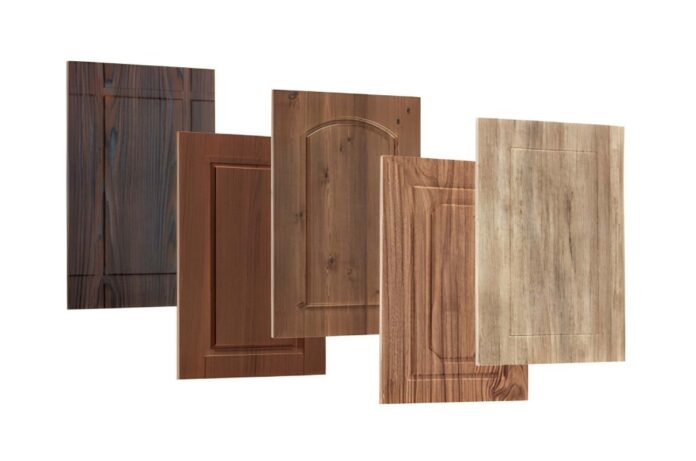

Solid wood doors are cut from a single piece of natural timber and last 20 to 40 years. Engineered wood doors are made from wood fibers, layers, or cores pressed together and handle Bangladesh’s humidity much better while costing less.
For main entrances and bedrooms, solid wood wins on looks and durability. For bathrooms and kitchens, engineered wood wins on moisture resistance.
If you’re comparing options at the moment, you may want to look at the current wooden door price in Bangladesh to get a sense of how the two types differ.
What Is a Solid Wood Door?
A solid wood door is crafted either entirely from a single piece or from planks joined edge to edge. Popular choices in Bangladesh include teak, mahogany, chambal, and Burma teak.
These doors are dense and heavy, featuring unique, authentic grain patterns. Weighing between 25 and 45 kg, they offer superior sound insulation compared to hollow alternatives.
The primary trade-off in Bangladesh is its sensitivity to seasonal humidity. They naturally expand during the monsoon and shrink slightly in dry months.
What Is an Engineered Wood Door?
An engineered wood door is manufactured by bonding fibers, veneers, or solid wood cores under high pressure to create a stable composite panel.
Common types include HDF, MDF, and flush doors. These are engineered to resist the warping and swelling common in high-humidity climates like Bangladesh.
They are lighter, more affordable, and offer a wider range of finishes. The surface is typically covered with wood veneer, laminate, or PVC to mimic the look of natural timber.
Solid Wood vs. Engineered Wood: A Side-by-Side Comparison
Here is a direct comparison across the features that matter most for homeowners and builders in Bangladesh.
| Feature | Solid Wood | Engineered Wood | Best Choice |
|---|---|---|---|
| Moisture resistance | Low to medium | Medium to high | Engineered wood |
| Durability | 20 to 40 years | 15 to 25 years | Solid wood |
| Price range (BDT) | 8,000 to 35,000 | 3,500 to 18,000 | Engineered wood |
| Appearance | Natural grain, premium | Consistent, uniform | Solid wood |
| Humidity performance | Prone to warping | Stable | Engineered wood |
| Repair and refinishing | Easy to sand and repaint | Limited | Solid wood |
| Best use in BD | Main entrance, bedroom | Bathroom, kitchen | Depends on the room |
The most important takeaway from this table for buyers in Bangladesh is that no single door type wins in every category. The right choice depends entirely on which room you are buying the door for and how much humidity that room is exposed to.
Which Door Performs Better in Bangladesh’s Humidity?
Bangladesh consistently experiences high humidity, ranging from 70% to 90%, from June through September. This significantly impacts door performance.
- Solid Wood: Naturally expands when humidity exceeds 70%, often causing doors to stick in their frames during the monsoon. They are a poor choice for high-moisture areas like kitchens and bathrooms.
- Engineered Wood: Options with MDF or HDF cores resist moisture better because their fibers are compressed and treated during production.
- Recommendation: For front entrances or well-ventilated bedrooms, solid wood is acceptable if you reapply a high-quality lacquer or polyurethane finish every two to three years.
What Are the Real Cost Differences?
Price is a major factor in the Bangladeshi market, with a significant gap between engineered and solid wood options.
- MDF Flush Door: 3,500 to 7,000 BDT per piece.
- HDF Door (with veneer): 6,000 to 12,000 BDT per piece.
- Solid Wood (Chambal/Local): 8,000 to 18,000 BDT per piece.
- Solid Teak Wood: 18,000 to 35,000 BDT per piece, based on thickness and design.
For a typical three-bedroom Dhaka apartment, using engineered wood for bathrooms and solid wood for the main entrance and bedrooms saves between 15,000 and 30,000 BDT compared to installing solid wood throughout.
Which Door Type Is Better for Each Room?
The practical answer in Bangladesh is to use both types strategically rather than choosing one for the whole home.
- Main entrance door: solid wood or solid core engineered wood for security, sound insulation, and visual impact.
- Bedroom doors: solid wood if budget allows, as it provides better sound blocking and a premium feel.
- Bathroom doors: engineered wood with waterproof laminate or PVC coating; solid wood is a poor choice here.
- Kitchen doors: engineered wood with moisture-resistant finish; the cooking environment produces sustained humidity and heat.
- Storage or utility room doors: basic MDF flush doors are completely adequate and the most cost-effective option.