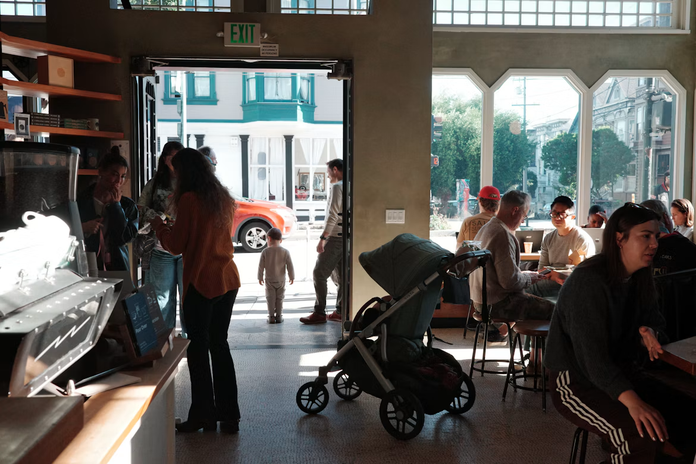

Peak hours can expose every weak point in a cafe’s routine, from an unclear line to a card reader that slows down under pressure. Independent operators rarely have spare staff waiting in the wings, so the best fixes make existing teams faster without making guests feel rushed.
A few changes to station layout, payment flow and table service can turn a stressful morning surge into a predictable part of the day.
Bottlenecks at the Counter
Start by watching the line for 20 minutes during your busiest period. Note where guests pause, when baristas step away from their stations and how often staff repeat the same explanation. Common delays include menus that are difficult to scan, food stored far from the register and customers deciding between payment options at the last moment.
Practical peak-hour line strategies include making the ordering process clear before guests reach the counter. Place a concise menu near the entrance, move popular grab-and-go items within reach and assign one employee to order handoff when staffing allows.
Payment delays deserve the same review. If transaction problems regularly interrupt service, compare merchant processing services based on checkout speed, reporting tools and compatibility with the cafe’s point-of-sale setup. A system that connects payments and daily reporting can also reduce administrative work after closing.
Balancing Table Turns and Hospitality
Faster table turns help during lunch, but customers shouldn’t feel as if staff are counting the minutes. Set expectations through small operational cues. Bring checks promptly when diners finish, keep takeaway containers ready and clear empty dishes without repeatedly asking if the table needs anything else.
Layout also matters. Reserve smaller tables for solo guests and pairs while keeping larger tables available for groups. During a rush, a party of two occupying a six-seat table can create a longer wait even when several seats appear open.
The best peak-time management strategies also begin before demand spikes. Restock cups, napkins and popular ingredients 30 minutes before the usual rush. Give each team member a defined zone so two people don’t handle the same task while another station goes unattended. Guests receive attentive service, yet the room continues moving at a comfortable pace.
Adopting Integrated Checkout Hardware
Checkout equipment should fit the way your cafe actually serves people. A fixed counter terminal may work for morning coffee orders, while a handheld device can help employees close checks at tables during lunch. Cafes with outdoor seating may need both.
Before replacing hardware, map the full transaction. Consider how staff enter modifiers, apply loyalty rewards, split checks and issue receipts. Saving a few seconds on card acceptance won’t solve much if employees still move through several screens to add oat milk or divide a bill.
Test any proposed setup during a realistic practice rush. Ask team members to process ten varied orders, including a refund and a split payment. Check that the system sends orders to the correct preparation area and updates inventory as expected. Staff feedback is valuable here because they’ll notice awkward screen placement, unclear buttons and other small issues that can become major delays at 8 a.m.
Keeping Repeat Diners Coming Back
Regular customers often return because a cafe feels familiar and dependable. Remembering a usual order helps, but consistency carries more weight. Drinks should arrive with the same quality on a quiet afternoon and during a packed morning rush.
Use sales reports to identify high-demand periods and best-selling items, then schedule prep around those patterns. If breakfast sandwiches routinely sell out before 10 a.m., adjust the first production batch and track waste for a week. Accurate preparation can prevent disappointment without leaving excess food at closing time.
Loyalty programs should also be easy to understand. A simple reward after a set number of visits usually creates less counter confusion than rotating offers with several conditions. Train employees to explain the program in one sentence and make sure guests can participate without holding up the line.
Peak-hour improvements work best when customers barely notice them. A readable menu, a well-stocked station and a checkout process that takes only a few moments leave more room for the detail people remember: a warm greeting and an order that arrives exactly as expected.