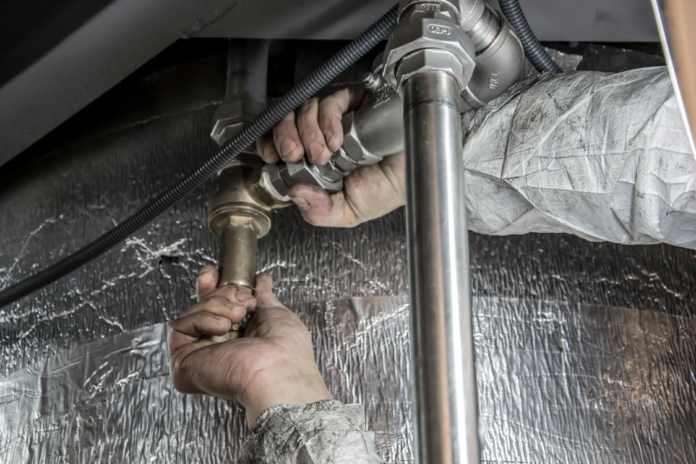

Plumbing problems have a sneaky way of showing up at the worst possible time. A slow drain seems harmless until your sink starts acting like a tiny swamp. A drip under the cabinet can sit quietly for weeks, then turn your cleaning supplies into floating survivors. The good news is that you don’t need to know every pipe and valve to handle things wisely. You just need to notice the signs, stay calm, and know when to stop guessing and start getting real help.
Know when it matters
Some home issues can wait a day or two. Plumbing usually loves drama, so it’s better not to gamble. A small leak can damage cabinets, walls, and floors faster than most people expect. If water is spreading, pressure suddenly drops, or you smell something unpleasant that won’t go away, the problem has probably moved beyond a quick DIY fix.
That’s when it helps to have the best local plumbers on speed-dial who can handle the issue before it grows teeth. You don’t need to panic over every drip, but you also don’t want to spend a week pretending a ceiling stain is “just part of the decor.”
A good rule is simple. If the issue involves hidden water, repeated clogs, sewage smells, or no hot water, take it seriously. You’re not being dramatic. You’re being practical. Home maintenance is a lot cheaper when you catch trouble early instead of waiting for a full splashy sequel.
Spot the early signs
Most plumbing problems whisper before they shout. You just have to pay attention to the clues your home gives you. One of the most common signs is a drain that slows down over several days. It might still work, but it’s telling you something is building up.
Water stains are another big hint. If you notice yellowish marks on ceilings, bubbling paint, or warped wood near sinks, water may be sneaking around where it shouldn’t. A musty smell can also point to moisture hiding behind walls or under floors.
Listen, too. Gurgling drains, banging pipes, or a toilet that keeps running after it fills are not just weird house sounds. They often mean pressure, blockage, or worn parts are in play.
Then there’s your water bill. If it jumps for no clear reason, your plumbing may be using water when you’re not. Pipes don’t usually leak for fun. They leak because something is failing, and early signs are your chance to step in before the mess gets expensive.
Try simple first steps
Before you call for help, there are a few calm and sensible things you can do. First, if water is actively leaking, shut off the nearby valve if you can reach it safely. If not, use the main water shutoff for the house. Knowing where that is ahead of time is one of those boring grown-up skills that suddenly feels heroic.
Next, check the area under sinks or around the fixture. Look for obvious drips, loose puddles, or items that got wet. Move towels, paper goods, and cleaning products out of harm’s way. If a sink is draining slowly, remove visible hair or debris near the opening, but don’t start taking pipes apart unless you actually know what you’re doing.
Take a few photos too. That sounds simple, but it helps a lot. If the issue changes before someone arrives, you’ll still have a record of what happened.
Try to describe the problem clearly. When did it start? Is it constant or off and on? Your future self, and any plumber you call, will appreciate the details.
Avoid common mistakes
One of the biggest mistakes people make is waiting too long. A tiny leak seems harmless because it feels manageable. Then one day you open the cabinet and find soggy wood, peeling laminate, and a smell that could knock over a houseplant.
Another common mistake is pouring harsh chemical cleaners down drains over and over. They may seem like a quick fix, but they don’t solve every clog, and repeated use can be rough on pipes. It’s a bit like trying to solve every problem in life by yelling louder.
People also tend to choose the cheapest help too fast. Price matters, of course, but a rushed decision can lead to poor work, repeat visits, or temporary fixes that don’t last. Cheap can become very expensive when the same leak returns next month.
And don’t ignore “minor” signs because they come and go. Intermittent problems are still problems. A toilet that occasionally won’t flush right or a shower that changes pressure at random is waving a little flag. It may not be loud yet, but it’s definitely there.
Ask better questions
When you do need professional help, asking a few smart questions can save you stress later. You don’t need to sound like a contractor. Just be direct and practical.
Start with the basics:
– What do you think the issue might be?
– Is this likely a repair or a replacement?
– How soon can it be checked?
– What does the price include?
It also helps to ask whether parts, labor, cleanup, and follow-up visits are included. Some jobs look affordable until the extras start piling up like mystery toppings on a pizza.
Ask how long the fix should last and whether the same problem could come back for another reason. That question often reveals whether you’re getting a quick patch or a more complete solution.
Finally, ask what you should do until the work is done. Sometimes the best advice is to avoid using one sink or keep an eye on a certain area. Clear guidance can prevent more damage while you wait.
Build a prevention routine
The easiest plumbing problem to deal with is the one that never starts. You don’t need a fancy schedule or a wrench collection worthy of an action movie. A few simple habits go a long way.
Check under sinks every so often. It takes less than a minute and can help you spot drips early. Watch your water bill for surprise increases. Pay attention to how drains, toilets, and faucets usually behave so you notice changes faster.
Be careful about what goes down drains. Grease, food scraps, wipes, and hair love to team up and create trouble. Even products labeled flushable can be a little too confident for real pipes.
It also helps to do seasonal check-ins around your home. Look at outdoor spigots, water heater areas, and spots where past leaks happened. Homes have memory, and weak areas sometimes reappear.
You don’t have to become a plumbing expert to protect your space. You just need a little awareness, decent timing, and the willingness to act before a small issue becomes a full-blown indoor water park.