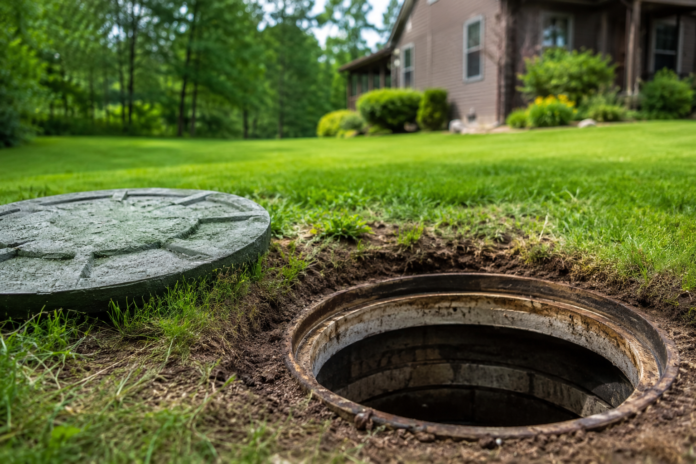

Most homeowners never think about their septic system until it’s too late. Then comes the soggy yard, the smell that sends guests home early, or the drain backup that ruins a Sunday morning. The warning signs are almost always there weeks or months before the real emergency, and knowing how to read them can save you thousands of dollars and a lot of frustration.
More Common Than You Think
If you’re on a septic system, you’re far from alone. More than one in five households in the United States depend on individual onsite or small community cluster systems to treat their wastewater, according to the U.S. Environmental Protection Agency. That’s tens of millions of homes where the responsibility for wastewater treatment falls entirely on the homeowner, not the city.
Rural and suburban properties are especially likely to rely on these systems. The distribution and density of septic systems vary widely by region, from a high of about 55 percent in Vermont to a low of about 10 percent in California, per U.S. EPA data on septic system prevalence. So even in a state like California where public sewer covers most urban areas, plenty of homes in the Inland Empire and surrounding counties run their own systems.
Owning one of those systems comes with real responsibility. The good news is that a well-maintained septic system can last decades. The bad news is that most problems are self-inflicted through neglect.
What Actually Happens Inside the Tank
Before you can spot a problem, it helps to understand what’s going on underground. Your tank isn’t just a big holding vessel. It’s actively separating waste into layers: solids sink to form sludge at the bottom, lighter materials float as scum at the top, and clarified liquid in the middle flows out to the drainfield. That middle layer is the only thing that’s supposed to leave the tank.
Here’s where most homeowners underestimate the math. Each adult discharges about 90 gallons of solid waste into the septic tank each year, and assuming the waste volume is reduced by about 60 percent by anaerobic bacteria, each adult still adds roughly 60 gallons of solids annually, according to research published by Penn State Extension in their septic tank pumping guidance. Multiply that across a household of four, and you can see why the tank fills faster than most people expect.
Both regulators and the pumping industry recommend that sludge and scum should never be permitted to fill more than about 30 percent of the tank’s volume. Cross that threshold and clarified effluent can’t move properly, solids start pushing into the drainfield, and you’re on a fast track to a very expensive repair.
“A family of four will fill the 300-gallon storage volume of a 1,000-gallon septic tank in about 1.5 years,” Penn State Extension researchers note, explaining why the common assumption that pumping every five or ten years is fine can quietly wreck a system long before any visible signs appear.
The Three Warning Stages: A Framework for Reading Your System
Not all warning signs carry the same urgency. Grouping them into three stages helps you decide whether you have a week, a weekend, or five minutes before you should be on the phone.
Stage One: Early Signals. These show up months or even years before a failure. Drains that used to move fast now take a few extra seconds. You notice a faint, intermittent sewage smell near exterior vents or around the yard after a rain. Grass directly over the drainfield grows noticeably greener and taller than the surrounding lawn, which sounds great but actually means the system is leaking nutrient-rich effluent into the soil at a higher-than-normal rate.
At this stage, a scheduled pumping and inspection almost always resolves the problem. Don’t wait.
Stage Two: Active Stress. Multiple drains in the house slow down at the same time, suggesting the tank is full or a line is partially blocked, not just a single clogged fixture. The smell becomes persistent rather than occasional. You might hear gurgling sounds from toilets after running the dishwasher or washing machine, which points to pressure building where it shouldn’t. Soft, wet ground appears over the drainfield even without recent rain.
This is the moment most homeowners finally make the call, but it’s already costlier than Stage One. Expect a pumping plus possible inspection of the distribution box and inlet baffle.
Stage Three: System Failure. Sewage backs up through the lowest drains in the house. Standing wastewater is visible on the surface near the septic area. You can smell the system from a distance. At this point you’re likely looking at drainfield damage, and repair costs climb steeply. Full drainfield replacement runs from five thousand to twenty thousand dollars or more depending on your lot and soil conditions. This is the outcome that routine maintenance exists to prevent.
What to Stop Putting Down the Drain Right Now
Your septic system has one job: separating what enters it into manageable layers using bacteria. Anything that kills those bacteria or adds material they can’t break down shortens the life of your system. Here’s what to cut out:
- Flushable wipes (they are not actually flushable in a septic system)
- Grease and cooking oils, which solidify and add bulk to the scum layer faster than anything else
- Antibacterial soaps and cleaners in large quantities, which disrupt the bacterial balance the tank depends on
- Medications, which pass through largely unchanged and can alter the biological environment inside the tank
- Paper towels, cotton swabs, and feminine hygiene products, none of which break down in the tank
Garbage disposals are worth a separate mention. They dramatically increase the solids load entering your tank and may cut your pumping interval nearly in half. If you’re on a septic system and love your disposal, budget for more frequent service visits.
When to Call in a Professional
The honest answer is: sooner than you think. The EPA recommends inspections every one to three years for most household systems and pumping every three to five years, but those are general guidelines. Your actual interval depends on household size, tank volume, and what goes down the drain.
One pattern worth noting: owners too often lapse into a flush-and-forget mentality and do not heed a problem until it is visible or odorous, and Florida’s Department of Environmental Protection has reported that more than 2 million tanks have gone unpumped for more than five years, according to Wastewater Digest’s analysis of EPA and state agency data. Florida is not unusual. The same delayed-maintenance pattern shows up nationwide.
If you’re in Southern California and you’re not sure when your system was last serviced, or you’ve hit Stage One or Two on the warning framework above, calling in qualified septic tank plumbing services is the smartest move you can make before a small issue graduates into a drainfield replacement conversation.
A professional technician will locate your tank, measure sludge and scum depth, inspect the baffles and outlet tee, and tell you exactly where your system stands. That inspection takes a couple of hours. A failed drainfield takes months to repair and can disrupt your property for a long time.
A Simple Maintenance Checklist
| Task | Frequency | Why It Matters |
| Professional inspection | Every 1 to 3 years | Catches Stage One and Two problems early |
| Tank pumping | Every 3 to 5 years (adjust for household size) | Prevents solids overload in the drainfield |
| Drainfield visual check | Monthly | Unusual wet patches or odors signal early failure |
| Water use audit | Seasonally | High-volume periods (guests, holidays) accelerate fill rate |
| Review what goes down drains | Ongoing household habit | Grease, wipes, and chemicals are the top causes of premature failure |
Your septic system handles a surprisingly heavy daily workload without any complaint, right up until it can’t. The three-stage framework gives you a way to read the signals before they become a crisis. Catch it at Stage One and you’re scheduling a routine service call. Miss it and reach Stage Three and you’re rewriting your home improvement budget for the next year. Which conversation would you rather have with a technician?